Fiber is one of the most important nutrients for gut health, yet many people avoid it because of the uncomfortable bloating and gas it can cause. The trick isn't to skip fiber—it's to add it the right way. With a few evidence-based strategies, you can increase your intake without feeling like a human balloon.
The key is gradual introduction, adequate hydration, and choosing the right types of fiber for your digestive system. Below, we walk through the expert-approved steps that let you reap the benefits of fiber without the discomfort.
Why does fiber cause bloating and gas in the first place?
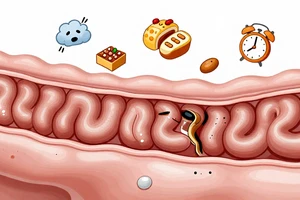
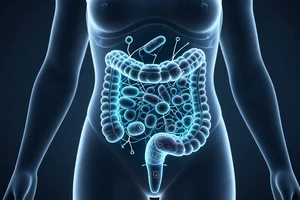
Fiber is a type of carbohydrate that your small intestine can't fully digest. When it reaches the large intestine, gut bacteria ferment it, producing gas as a byproduct. This is normal—but if you add a lot of fiber all at once, your microbiome can get overwhelmed, leading to pressure, bloating, and flatulence.
There are two main types of fiber: soluble (dissolves in water, forms a gel) and insoluble (adds bulk). Soluble fiber, found in oats, beans, and apples, tends to cause more gas because it ferments readily. Insoluble fiber, found in whole grains and vegetables, passes through faster and may cause less gas for some people. Knowing the difference helps you tailor your approach.
Start low and go slow
The single most important rule is gradual increase. If you currently eat 10 grams of fiber a day, jumping to 30 grams will almost certainly cause trouble. Instead, add just 3 to 5 grams every few days or even every week. Your gut bacteria need time to adjust and produce more of the enzymes needed to break down the new fiber sources.
Quick tip: Keep a simple food journal for a week to estimate your current fiber intake. Then add one high-fiber food every few days, observing how you feel before adding another.
Pair fiber with plenty of water
Fiber absorbs water in the digestive tract. Without enough fluid, it can clump and cause constipation—which makes bloating worse. As you increase fiber, aim for at least 8 to 12 cups of water or other hydrating fluids spread throughout the day. Herbal teas, sparkling water, and water-rich fruits like cucumber and watermelon all count.
Choose gentle fiber sources first
Some fiber-rich foods are less likely to cause gas than others. Start with these well-tolerated options:
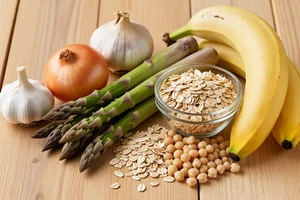
- Oats – Rolled or steel-cut oats are rich in beta-glucan, a soluble fiber that tends to ferment more slowly. Start with half a cup cooked.
- Carrots and zucchini – Cooked versions are easier on the gut than raw. They provide pectin and cellulose without excessive fermentation.
- Bananas – Slightly green bananas contain resistant starch, a type of fiber that feeds gut bacteria without causing the same gas as beans or wheat.
- Psyllium husk – This soluble fiber supplement (the kind in many gentle laxatives) is well studied and less fermentable than other fibers. Start with half a teaspoon in water once daily.
Soak, cook, and sprout legumes and grains
Beans, lentils, chickpeas, and whole grains like brown rice and rye are excellent sources of fiber, but their outer layers contain compounds (like phytic acid and raffinose) that can cause major bloating. Simple preparation steps make a big difference:
- Soak dried beans overnight, then discard the water and cook in fresh water. This reduces the gas-causing oligosaccharides by up to 50 percent.
- Cook grains like quinoa and brown rice thoroughly, or opt for sprouted versions. Sprouting breaks down many of the compounds that trigger gas.
- If you're using canned beans, rinse them well under running water for at least 30 seconds to remove excess sugars.
Spread your fiber across the day
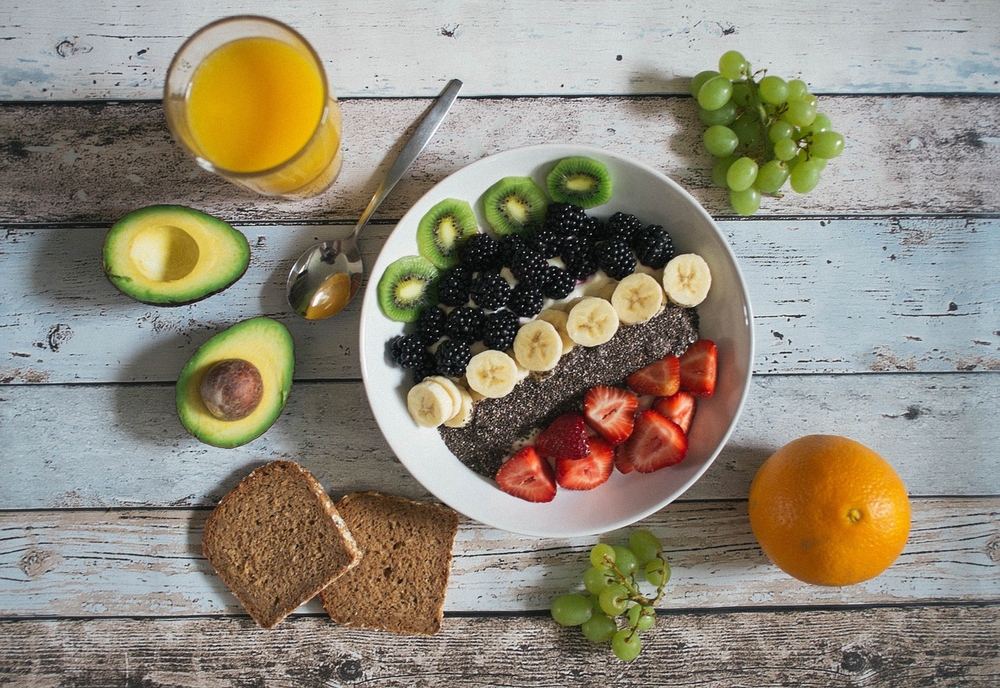
A single large fiber spike at one meal can overwhelm your digestive system. Instead, aim to include a small amount of fiber at every meal and snack. For example, add a tablespoon of chia seeds to your morning yogurt, have an apple with lunch, snack on carrot sticks in the afternoon, and include a half-cup of cooked lentils with dinner. This steady trickle gives your gut bacteria a manageable workload.
Consider a short-term low-FODMAP approach for stubborn bloating
If you've tried gradual increases and hydration but still feel bloated, you may be sensitive to certain fermentable carbohydrates known as FODMAPs (fermentable oligosaccharides, disaccharides, monosaccharides, and polyols). Foods high in these—like wheat, garlic, onions, and some fruits—can trigger gas even when total fiber intake is moderate.
A temporary low-FODMAP diet (under the guidance of a dietitian) can help identify your personal triggers. Once you know which high-FODMAP foods bother you, you can replace them with low-FODMAP alternatives that still provide fiber (e.g., oats instead of wheat, bell peppers instead of onions, strawberries instead of apples).
Track your tolerance with a fiber record
Everyone's gut is unique. One person can eat chickpeas with no issue, while another gets bloated from half a cup. Keep a simple daily log for a few weeks: write down the type and amount of fiber you ate, how your digestion felt (none, mild, moderate, severe bloating or gas), and any other factors like stress or sleep. Patterns will emerge, and you'll learn exactly which foods work best for you.
When to see a healthcare provider
If you still experience persistent or painful bloating after making these changes—or if you have diarrhea, blood in your stool, or weight loss—see a doctor or a registered dietitian. These could be signs of an underlying condition such as irritable bowel syndrome (IBS), small intestinal bacterial overgrowth (SIBO), or inflammatory bowel disease. A professional can help you navigate fiber intake safely.
Adding fiber is one of the best things you can do for your gut health, your heart, and your overall well-being. By taking it slowly, staying hydrated, choosing gentle sources, and listening to your body, you can enjoy the benefits without the discomfort. Your gut bacteria will thank you—quietly.