When constipation becomes a recurring problem, the search for relief often leads to fiber supplements. Powders, gummies, and capsules line pharmacy shelves, each promising regularity. But how exactly should these products fit into a broader plan, and when are they actually the right tool? Understanding the role of fiber—both dietary and supplemental—can make the difference between genuine relief and ongoing discomfort.
Let's clarify how fiber works, where supplements belong in a constipation strategy, and what the experts want you to know before you start scooping or chewing your way to better digestion.
What fiber actually does for constipation
Fiber is not a stimulant laxative. It does not force the colon to contract. Instead, it works through two main mechanisms, depending on the type. Soluble fiber (found in oats, apples, psyllium) dissolves in water to form a gel-like substance that softens stool and makes it easier to pass. Insoluble fiber (found in wheat bran, vegetables) adds bulk that stimulates the intestinal walls to push contents along.
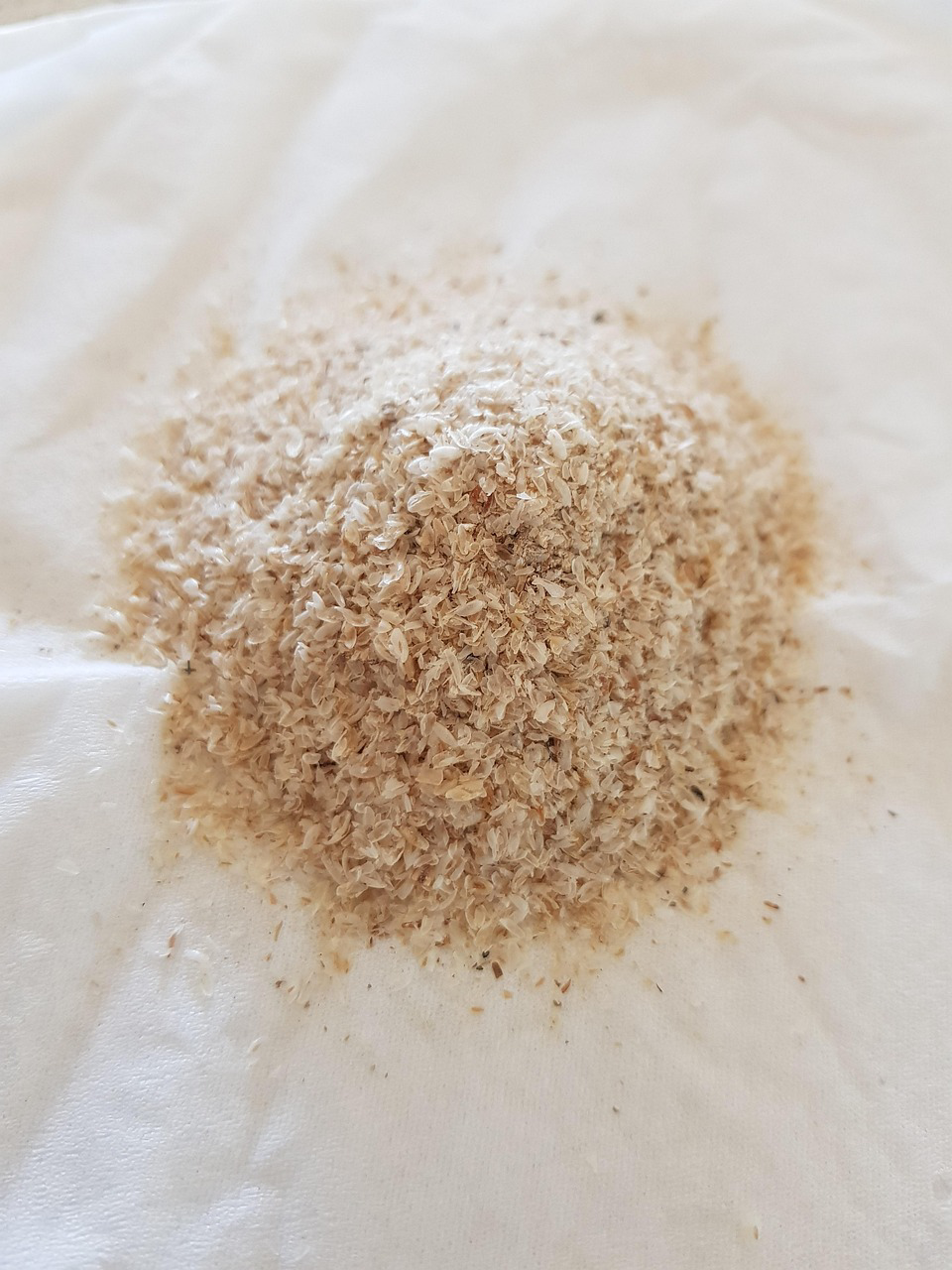
For constipation, soluble fiber generally gets the stronger recommendation from gastroenterologists. Psyllium, specifically, has been studied more than any other fiber supplement for chronic idiopathic constipation, with consistent evidence showing it improves stool frequency and consistency without the harsh side effects associated with stimulant laxatives.
Key insight: Fiber supplements work best when they accompany adequate fluid intake. Without enough water, more fiber can actually worsen constipation by creating a dry, hard mass in the colon.
When supplements make sense (and when they don't)
Fiber supplements are not a first-line fix for occasional constipation. A single bout of irregularity often resolves with hydration, movement, and a high-fiber meal. Supplements become relevant when constipation is chronic or when dietary intake consistently falls short. The average adult in the United States consumes about 15 grams of fiber daily, well below the recommended 25–38 grams. For people who cannot bridge that gap with whole foods alone, a targeted supplement can help.
However, experts caution against using fiber supplements for acute constipation—defined as a sudden, severe inability to pass stool. In that scenario, added fiber can compound the problem by increasing bulk without softening the existing mass. Osmotic laxatives (like polyethylene glycol) are typically preferred for short-term relief, with fiber introduced later for maintenance.
Certain conditions also require caution. People with slow-transit constipation or pelvic floor dysfunction may not benefit from fiber supplementation and could even experience worsening bloating and discomfort. Anyone with a history of bowel obstruction, intestinal stricture, or recent abdominal surgery should consult a healthcare provider before starting fiber supplements.
Choosing the right fiber supplement
Not all fiber supplements perform equally. The market includes psyllium, methylcellulose, polycarbophil, inulin, and wheat dextrin, among others. For chronic constipation, psyllium has the strongest evidence base. It is a soluble, gel-forming fiber that resists complete fermentation, meaning it retains its structure and water-holding capacity through most of the digestive tract.
Methylcellulose, a semi-synthetic soluble fiber, also draws water into stool and is less likely to cause gas than psyllium. Inulin and wheat dextrin are fermentable fibers that feed gut bacteria but can cause significant bloating in sensitive individuals. Wheat dextrin (often labeled as Benefiber) dissolves completely and is tasteless, making it easy to add to beverages, but it produces less gel formation than psyllium.
Gummies and capsules generally contain lower fiber doses per serving compared to powders. They may require consuming multiple pieces or capsules to reach an effective dose, which can be inconvenient and may introduce added sugars or artificial ingredients.
How to take fiber supplements safely
Starting fiber supplementation requires a gradual approach. Begin with one serving per day for at least a week before increasing the dose. Rapid escalation often leads to bloating, cramping, and gas, which can discourage continued use. Spread doses throughout the day rather than taking the entire amount at once—this reduces the likelihood of gastrointestinal distress and allows the colon to adapt.
Hydration is non-negotiable. For every 5 grams of supplemental fiber, aim for an additional 8–12 ounces of fluid. Mix powders with at least 8 ounces of liquid and consume promptly before the gel forms. If the supplement thickens in the glass, add more liquid rather than choking down a gelatinous mass.
Timing also matters. Taking fiber supplements 30–60 minutes after a meal aligns with the natural digestive rhythm and can help buffer the body's response. Separating fiber from medications by at least one hour prevents interference with drug absorption.
Combining supplements with dietary and lifestyle changes
A fiber supplement alone rarely solves chronic constipation. The most effective plan layers supplemental fiber with intentional dietary choices. Focus on soluble fiber from whole foods: cooked oats, chia seeds, flaxseeds, barley, cooked carrots, and peeled apples. Gradually increase these while maintaining the supplement routine.
Physical activity supports the colon's natural motility. Even a 15-minute walk after meals can encourage peristalsis. Pelvic floor relaxation techniques, adequate sleep, and stress management also influence bowel function—constipation often has a neuromuscular component that fiber alone cannot address.
It is also worth revisiting other medications that may contribute to constipation. Common culprits include iron supplements, calcium channel blockers, anticholinergics, and certain pain medications. In these cases, adjusting the underlying medication under medical supervision may be more effective than adding fiber.
Monitoring progress and knowing when to stop
Fiber supplements usually require two to four days to produce noticeable changes in stool consistency and frequency. If you do not see improvement within two weeks, the supplement type or dose may need adjustment, or the underlying cause may not be simple dietary shortfall.
Signs that a fiber supplement is working include Bristol stool type 3 or 4 (smooth, sausage-shaped), decreased straining, and a regular bowel movement schedule without laxative dependence. Signs that a fiber supplement is not working include persistent hard stools, worsening bloating, or the need for stimulant laxatives to trigger a movement.
If discomfort persists beyond three weeks of consistent use, it is time to consult a gastroenterologist. Ongoing constipation can signal thyroid disorders, medication side effects, motility disorders, or even colorectal pathology that fiber cannot correct.
The bottom line on fiber supplements for constipation
Fiber supplements are a useful tool but not a standalone solution. They belong in a constipation plan that includes adequate hydration, whole-food fiber sources, gentle physical activity, and attention to other contributing factors. When chosen wisely and introduced gradually, a high-quality psyllium-based supplement can bring reliable relief without the harsh effects of stimulant laxatives. But they are not right for every type of constipation or every person, and they should never replace a thorough evaluation if the problem is persistent or severe.