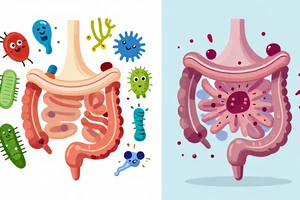

You've likely heard that fiber is good for your digestion. But there's a new nuance in the conversation among researchers and registered dietitians: it's not just about eating fiber, but about eating a diversity of fibers. Think of your gut microbiome as a sprawling, complex garden. Different plants (fiber types) feed different beneficial bacteria (your gut flora), and the more varied the diet, the more robust and resilient the entire ecosystem becomes.
Here is the expert-backed advice on why fiber diversity supports gut microbiome health, broken down into practical, science-based steps you can start using today.
What does fiber diversity actually mean?
Fiber isn't a single nutrient. It's an umbrella term for carbohydrates that your small intestine cannot digest. Different fibers have different chemical structures, solubility levels, and fermentation rates. Common categories include:
- Soluble fiber: Found in oats, barley, beans, lentils, apples, and carrots. It dissolves in water to form a gel-like substance that can help lower cholesterol and stabilize blood sugar.
- Insoluble fiber: Present in whole wheat, nuts, seeds, and the skins of fruits and vegetables. It adds bulk to stool and helps food pass more quickly through the stomach and intestines.
- Resistant starch: Found in cooked and cooled potatoes, green bananas, and legumes. It acts like a prebiotic, feeding the good bacteria in your colon.
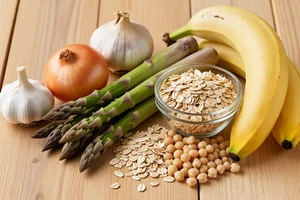
- Prebiotic fibers (inulin, fructooligosaccharides, galactooligosaccharides): Naturally present in garlic, onions, leeks, asparagus, Jerusalem artichokes, and chicory root. These are specific fuels for beneficial bacteria like Bifidobacteria.
When you eat the same fiber sources day after day—say, only the insoluble fiber in wheat bran—you feed only a narrow range of bacteria. That's like putting only one type of fertilizer on a garden and expecting every plant to thrive. Fiber diversity ensures that a wide variety of bacterial species get the nutrients they need, which promotes a rich and stable microbiome.
Why a diverse microbiome matters for your health
Research increasingly links a high-diversity gut microbiome to better overall health outcomes. A 2021 review in Nutrients emphasized that dietary fiber diversity is one of the strongest predictors of microbial richness. Higher bacterial diversity is associated with:
- Stronger immune function
- Reduced systemic inflammation
- More efficient digestion and regularity
- Better weight management
- Improved mood and cognitive function (via the gut-brain axis)
A practical tip: one study found that people who ate 30 or more different plant foods per week had the most diverse gut microbiomes. That's a concrete goal you can work toward.
How to increase fiber diversity without overwhelming your system
Jumping from a low-fiber diet to a very high one can cause bloating, gas, and discomfort. The key is to add variety gradually while you increase total fiber intake slowly. Here's a step-by-step approach:
- Start with three different fiber sources per day. For example: oatmeal (soluble fiber) for breakfast, an apple (pectin, a soluble fiber) with lunch, and a handful of almonds (insoluble fiber) as a snack.
- Introduce one new plant food per week. Try adding lentils to a soup, sprinkling flaxseed on yogurt, or roasting chickpeas for a snack. Keep a mental note—or a log—of what new items you've added.
- Cook and cool starches. Pasta salad, potato salad, and sushi rice that has been cooled overnight contain resistant starch, which is a different fiber type that feeds different bacteria than typical soluble or insoluble fibers.
- Use herbs, spices, and alliums generously. Garlic, onion powder, leeks, and chives are rich in prebiotic fibers and can be added to almost any savory dish.
Common mistakes to avoid when diversifying fiber
Many people inadvertently narrow their fiber sources. Watch out for these patterns:
- Relying on one type of fiber supplement. Psyllium husk is great, but it's mostly a single type of soluble fiber. It shouldn't replace whole-food sources.
- Eating the same vegetables every week. Rotate your produce. Instead of always buying broccoli, mix in cauliflower, Brussels sprouts, cabbage, bok choy, and kale.
- Ignoring legumes. Lentils, chickpeas, black beans, and kidney beans are some of the most fiber-diverse foods available. Aim to include at least one legume serving daily.
- Not drinking enough water. As you increase fiber, fluids help it move through the digestive tract smoothly. Aim for at least eight cups of water per day, more if you're active.
Putting it all together: a sample day of diverse fibers
To make this practical, here's what a day of eating for microbiome diversity might look like:
- Breakfast: Rolled oats topped with sliced banana (resistant starch if the banana is green-tipped), walnuts, and a spoonful of flaxseed.
- Lunch: Lentil soup with carrots, celery, and a side of whole-grain bread (the insoluble fiber in the bread and the soluble fiber in the lentils and carrots offer variety).
- Snack: An apple and a handful of almonds.
- Dinner: Grilled salmon with roasted asparagus (prebiotic fiber from the spears) and a sweet potato with skin (both soluble and insoluble fiber).
- Evening: A small bowl of plain yogurt with a teaspoon of chicory root fiber (inulin) stirred in, or with a few slices of fresh fennel.
Notice that no single meal is exotic. The diversity comes from rotating ingredients across the day and week, not from eating obscure superfoods. This is a sustainable approach for most people.
If you have a medical condition such as irritable bowel syndrome (IBS), Crohn's disease, or ulcerative colitis, work with a healthcare provider or a registered dietitian to tailor fiber sources to your tolerance—some fibers (especially high-FODMAP ones) can trigger symptoms in sensitive individuals.
Ultimately, the goal is simple: eat the rainbow, but also eat the variety within each color. Each plant food contains a unique blend of fibers. The more you mix and match, the more you nourish the trillions of bacteria that keep your body in balance. Start small, vary often, and let your gut guide you.