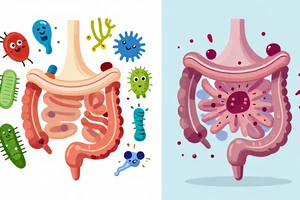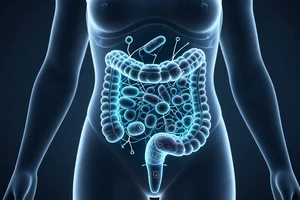
Fermented foods have been part of human diets for thousands of years, but only recently has science begun to explain exactly how they influence our health. The connection between what we eat and how we feel runs through the gut microbiome, the vast community of bacteria, fungi, and other microbes living in the digestive tract. When the balance of these microbes shifts, it can affect everything from digestion to mood. Fermented foods directly support this microbial ecosystem, and the effect on mental wellbeing is becoming hard to ignore.
This article draws on the latest expert insights to explore how sauerkraut, yogurt, kimchi, kefir, and other fermented staples help cultivate a healthier gut and a calmer, more stable mood. No prescriptions, no dosages — just clear, practical education for anyone curious about the gut-mood link.
What makes fermented foods different from other gut-healthy foods?
Many plant-based foods support gut health because they contain fiber, which feeds beneficial bacteria. Fermented foods go a step further: they deliver live microorganisms directly to the gut. During fermentation, natural bacteria or yeasts feed on sugars in the raw ingredients, producing lactic acid, alcohol, or acetic acid. This process not only preserves the food but also generates beneficial probiotics — live microbes that can colonize the gut when consumed regularly.
The key distinction is that fermented foods offer both prebiotic fiber (depending on the food) and a ready-made supply of beneficial bacteria. A diet rich in diverse fermented foods may help increase microbial diversity in the gut, which researchers associate with lower inflammation and better digestive health.
How do gut microbes influence mood and mental health?
The gut and brain are in constant, bidirectional communication via the vagus nerve, hormone signaling, and the immune system. This is often called the gut-brain axis. Gut microbes produce or influence many of the same neurotransmitters that regulate mood in the brain, including serotonin, dopamine, and gamma-aminobutyric acid (GABA).
In fact, an estimated 90% of the body's serotonin — a major mood stabilizer — is produced in the gut, not the brain. When the microbial community is unbalanced (a state called dysbiosis), the production and regulation of these mood-related chemicals can be disrupted. This is why researchers are studying whether improving gut bacterial balance through fermented foods can help reduce symptoms of anxiety, depression, and stress.
What the research says: A 2021 meta-analysis found that probiotic-rich foods, including yogurt and kefir, were associated with modest improvements in depressive symptoms, though results vary by individual and strain.
Which fermented foods have the strongest evidence for gut and mood benefits?
Not all fermented foods are created equal when it comes to probiotic content. Some store-bought products are pasteurized after fermentation, which kills the beneficial bacteria. For live cultures, look for labels that say "unpasteurized" or "live and active cultures." Here are the most studied options:
- Yogurt and kefir: Dairy-based fermented foods are rich in Lactobacillus and Bifidobacterium strains. Kefir typically contains a wider variety of microbes than yogurt, potentially offering more diverse gut benefits.
- Sauerkraut and kimchi: These cabbage-based ferments provide both live bacteria and prebiotic fiber. Unpasteurized sauerkraut retains live Lactobacillus strains and is a simple, low-cost addition to meals.
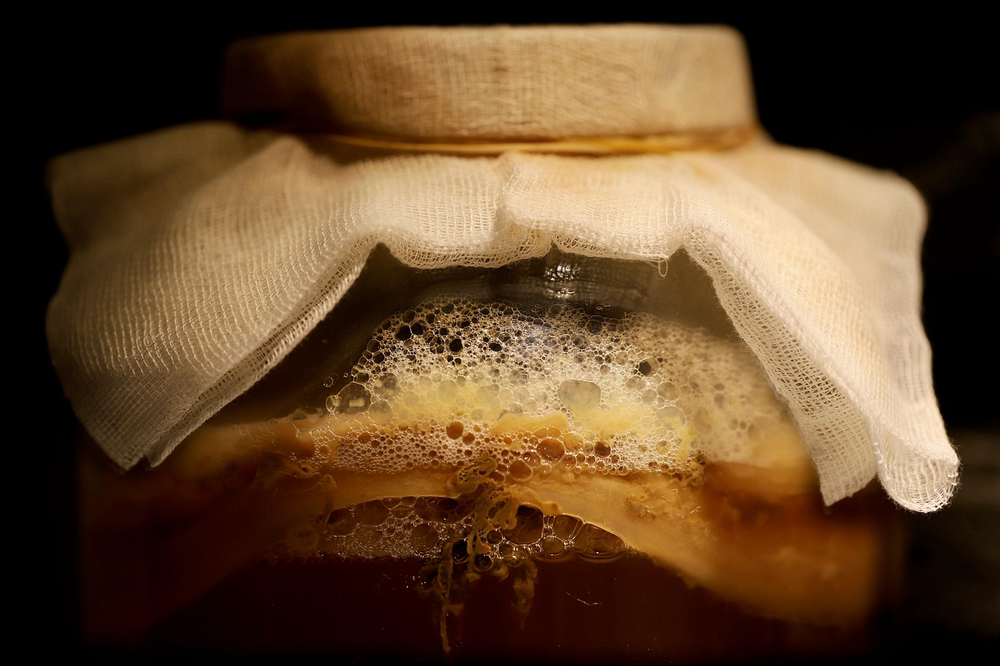
- Kombucha: This fermented tea contains a symbiotic culture of bacteria and yeasts (SCOBY). While less robustly studied than dairy ferments for mood effects, some small trials suggest it may reduce inflammation and stress markers.
- Miso and tempeh: Fermented soy products offer live cultures along with protein, fiber, and isoflavones, which may support gut barrier function.
Can eating fermented foods really improve mood? What the experts say
Gastroenterologists and nutrition scientists generally caution against claiming that fermented foods are a cure for depression or anxiety. The evidence is still emerging, and many studies are small or observational. However, several large-scale reviews have found consistent patterns:
- People who eat fermented foods regularly report lower levels of perceived stress and fewer symptoms of social anxiety.
- Probiotic supplementation has been linked to reduced cognitive reactivity to sad mood in a 2017 study from the University of Leiden.
- A 2020 review in Nutritional Neuroscience concluded that dietary patterns rich in fermented foods are associated with a lower risk of depressive symptoms, though causality is not yet confirmed.
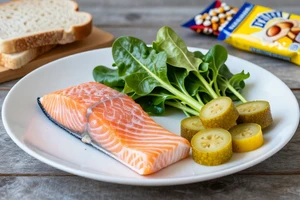
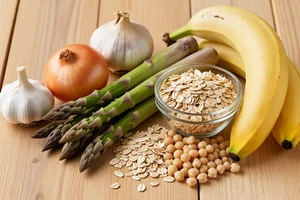
Key nuance: The benefits appear most consistent when fermented foods are consumed as part of an overall healthy diet — not in isolation. Experts emphasize that a diet high in fiber, omega-3 fats, and polyphenols (from fruits, vegetables, nuts, and olive oil) creates a better environment for probiotics to thrive.
How to add fermented foods to your daily routine without overdoing it
Start small. Introducing too many live bacteria at once can cause bloating, gas, or transient digestive upset. A good starting point is one serving per day of a fermented food you enjoy. Aim for variety across the week to expose your gut to different microbial strains.
Practical tips from registered dietitians:
- Add a spoonful of sauerkraut to sandwiches, grain bowls, or salads.
- Drink a small glass of kefir as a mid-morning snack.
- Use miso paste in soups or salad dressings — but never boil it, as high heat kills the live cultures.
- Swap one daily coffee for unsweetened kombucha (or alternate).
- For tempeh: slice and pan-fry as a meat replacement in stir-fries or tacos.
People with compromised immune systems (including those undergoing chemotherapy or with severe IBS) should consult a healthcare provider before adding live-culture foods, as the risk of infection, though low, is not zero.
What to look for when buying fermented foods for gut health
Not everything labeled "fermented" at the supermarket is still alive. To maximize microbial benefit:
- Check for "raw," "unpasteurized," or "live cultures" on the label.
- Avoid products with added sugars, which can feed undesirable bacteria.
- For sauerkraut and kimchi, buy from the refrigerated section — shelf-stable jars are often heat-treated.
- Yogurt should list specific live strains, not just "live and active cultures."
Fermented foods are a science-backed, accessible tool to support both gut microbial diversity and mood balance. While they are not a replacement for medical treatment, adding a daily serving of sauerkraut, kefir, or kimchi is a simple step toward a healthier microbiome and a calmer mind. As always, listen to your body and consult a doctor before making significant dietary changes if you have an underlying health condition.