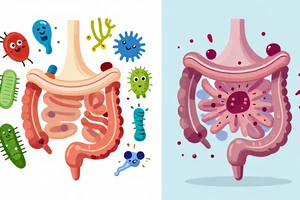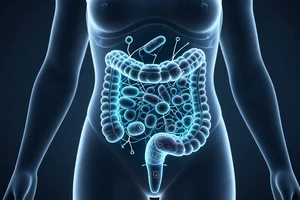

Candida albicans is a type of yeast that lives naturally in your gut, mouth, and skin. In a balanced microbiome, it causes no trouble. But when its environment shifts—often due to diet—it can overgrow, leading to uncomfortable symptoms like fatigue, brain fog, digestive issues, and recurring yeast infections. While many factors contribute to candida overgrowth, the foods you eat are among the most controllable.
Understanding which dietary habits fuel candida and which help restore balance can put you back in the driver's seat. Below, we break down the main nutritional triggers and offer practical, expert-backed ways to support a healthier gut ecosystem.
Why diet matters for candida control
Candida thrives on sugar. It ferments simple carbohydrates to grow and reproduce. When your diet is high in refined sugars and processed carbs, you are essentially feeding the yeast. The goal of a candida-management diet isn't starvation—it's cutting off the fuel supply while nourishing beneficial bacteria that keep candida in check.
The biggest dietary triggers
Refined sugars and sweets
Table sugar, high-fructose corn syrup, honey, maple syrup, agave—candida doesn't discriminate. These are rapidly absorbed and spike blood sugar, providing a direct food source for yeast. Common sources include soda, fruit juice, candy, pastries, ice cream, and sweetened yogurts. Even seemingly healthier options like granola bars, flavored oatmeal, and bottled smoothies can be loaded with added sugar.
Refined carbohydrates
White bread, white rice, pasta, crackers, and many breakfast cereals are stripped of fiber and break down quickly into glucose. This creates the same blood sugar spike as table sugar. For candida, the effect is nearly identical. Swapping these for whole grains like quinoa, brown rice, or oats (in moderation) can make a meaningful difference.
Alcohol
Beer, wine, and spirits are problematic on two fronts. First, alcohol is metabolized into sugar. Second, it can disrupt the gut lining and alter the microbiome, making it easier for candida to colonize. Some research suggests that even moderate drinking can promote fungal growth. If you are trying to rebalance your gut, minimizing or eliminating alcohol is a smart short-term step.
High-mold and fermented foods (for some people)
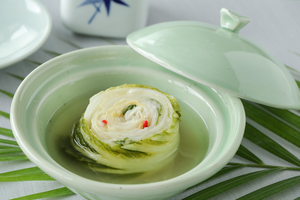
Not everyone with candida overgrowth reacts the same way. But some find that aged cheeses, vinegar, kombucha, sauerkraut, soy sauce, and mushrooms—all high in mold or fermentation byproducts—can worsen symptoms. The theory is that these foods may cross-react or add to the total fungal load. It’s worth experimenting: try cutting them for two to three weeks, then reintroduce one at a time while noting how you feel.
What to eat instead
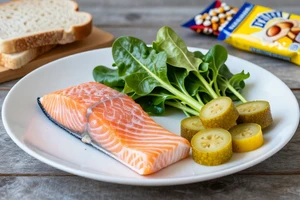
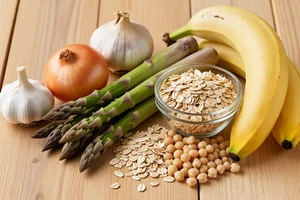
A candida-supportive diet is rich in non-starchy vegetables, lean protein, healthy fats, and low-sugar fruits. Think leafy greens, broccoli, bell peppers, zucchini, avocado, olive oil, coconut oil, wild-caught fish, chicken, eggs, and berries in small portions. These foods provide essential nutrients without feeding yeast.
A quick rule of thumb: If it comes in a package and has more than a few grams of added sugar, it's probably not helping your gut right now.
Does a low-sugar diet really help?
Yes—but it's not about perfection. The goal is to starve candida long enough for your body to restore its natural balance. Most experts recommend a strict low-sugar, low-refined-carb approach for at least two to four weeks, then a gradual reintroduction of moderate amounts of complex carbs. During this time, you may experience temporary die-off symptoms (headaches, fatigue) as candida cells break down—this is normal and usually passes.
Other factors that work with diet
Diet alone rarely fixes candida overgrowth if other lifestyle factors are working against you. Chronic stress raises cortisol, which can impair immunity and promote yeast growth. Poor sleep and overuse of antibiotics or steroids also tip the scales. Pair dietary changes with stress management, consistent sleep, and possibly targeted probiotics (like Lactobacillus and Bifidobacterium strains) to support the microbiome.
Frequently asked questions
Can I ever eat sugar again after candida treatment? Yes. Most people can tolerate moderate amounts of natural sugars and occasional treats once their gut is rebalanced. The key is reintroducing slowly and paying attention to symptoms.
Are all fruits off-limits? No. Low-sugar fruits like berries, green apples, and lemons are usually fine. High-sugar fruits like bananas, mangoes, and grapes are best limited or avoided during the initial phase.
Does coffee affect candida? Coffee itself doesn't feed candida, but it can stress the adrenal glands and disrupt sleep if overconsumed. It's not a direct trigger, but moderation is wise.
How long does a candida diet take to work? Many people notice symptom improvement within one to two weeks, but full gut rebalancing can take several months. Consistency matters more than speed.