
Few things throw off your day like that heavy, bloated feeling of being stopped up. And while reaching for a laxative might seem like a quick fix, most dietitians will tell you that relying on them regularly can actually make your bowel muscles lazier over time. The real solution? Small, consistent daily habits that keep things moving without any help from the medicine cabinet.
Constipation is defined as having fewer than three bowel movements per week, often accompanied by hard, dry stools that are difficult to pass. It can stem from dehydration, a low-fiber diet, lack of movement, or even ignoring the urge to go. Here are the evidence-based habits that registered dietitians recommend for preventing constipation before it starts.
Drink water like it's your job
Hydration is the single most underrated tool for regular digestion. Water is what plumps up the soluble fiber in your digestive tract, creating soft, bulky stools that are easy to pass. Without enough fluid, even a high-fiber diet can backfire, leading to hard, compacted waste.
Aim to sip water steadily throughout the day rather than chugging large amounts all at once. You don't need a rigid ounce-count for everyone, but if your urine runs dark yellow, that's a cue to drink up. Herbal teas and water-rich fruits like cucumber or watermelon also count toward your total.
Eat fiber strategically (not just more of it)
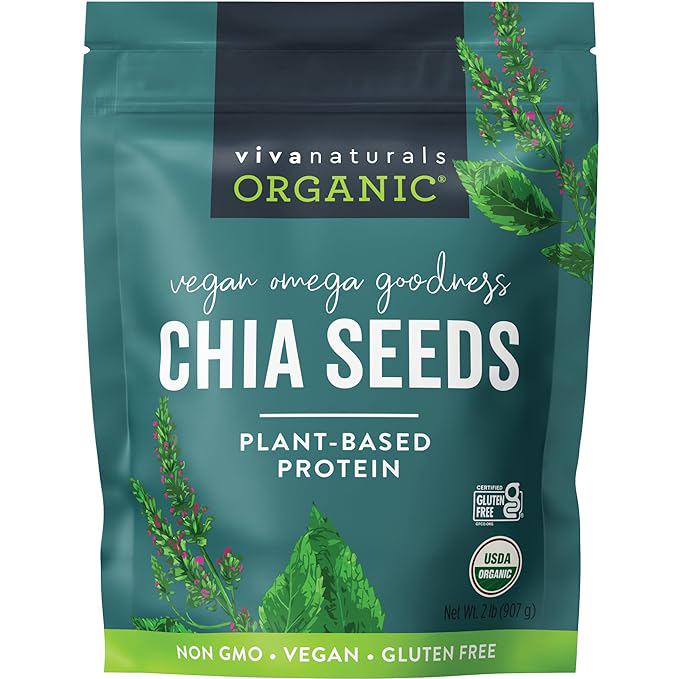
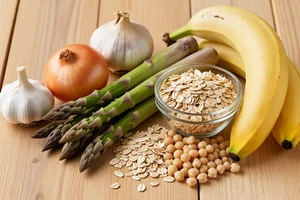
There are two types of fiber, and both matter. Soluble fiber absorbs water and forms a gel-like consistency that helps soften stools — think oats, barley, chia seeds, and flaxseeds. Insoluble fiber adds roughage that speeds up transit time; you'll find it in wheat bran, nuts, beans, and the skins of fruits and vegetables.
The trick is to increase fiber gradually. Jumping from 15 grams to 40 grams overnight can cause gas and cramping. Instead, add one serving of a high-fiber food per day for a week, then increase again.
Dietitians often mention the “prune effect.” Prunes contain sorbitol, a natural sugar alcohol that draws water into the colon. Three to four prunes a day can work wonders for regularity without the harshness of a stimulant laxative.
Move your body before you need to move your bowels
Physical activity stimulates the natural contractions of the intestinal muscles — a process called peristalsis. You don't need a high-intensity workout to get results. A simple 15-minute walk after a meal can encourage the gastrocolic reflex, which is your body's signal to make room for new food by clearing out what's already there.
Yoga twists, gentle core work, and even light stretching can also help. The key is consistency: making movement a daily habit rather than a sporadic event.
Honor the urge (timing matters)
Ignoring the signal to go is one of the most common causes of chronic constipation. When you delay, the colon continues to absorb water from the stool, making it harder and harder to pass. Over time, this can desensitize the nerves that tell you it's time to go.
Most people experience a natural urge to have a bowel movement within 30 minutes of eating a meal, especially breakfast. If you tend to be busy in the mornings, try setting aside five minutes of quiet bathroom time after your first cup of coffee or your morning oatmeal. There is no need to strain; just sit and give your body a moment to respond.
Add magnesium-rich foods to your plate
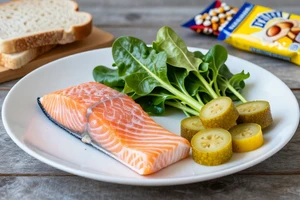
Magnesium plays a role in relaxing the muscles of the digestive tract. Low magnesium levels can contribute to constipation. While supplements are available, food sources come with other beneficial nutrients. Think pumpkin seeds, spinach, almonds, cashews, black beans, and dark chocolate.
Adding a handful of almonds as a snack or tossing spinach into a smoothie are simple ways to increase your intake without overhauling your diet.
Consider probiotics for the long game
Your gut microbiome — the trillions of bacteria living in your digestive tract — influences how quickly food moves through you. Certain strains of probiotics, particularly Bifidobacterium and Lactobacillus, have been shown to improve stool frequency in some people.
Fermented foods like yogurt, kefir, kimchi, sauerkraut, and miso are natural sources of these beneficial bacteria. You don't need an expensive supplement; a serving of yogurt with live cultures at breakfast can be a sustainable habit.
Be mindful of medication and supplements
It is worth checking whether something you take daily could be contributing to the problem. Iron supplements, calcium supplements, some antacids, and certain blood pressure medications can slow things down. If you suspect a link, have a conversation with your healthcare provider rather than stopping anything on your own.
Dietitians also caution against overusing fiber powders and stimulant teas that contain senna or cascara. While fine for occasional use, daily use can create dependency.
The best routine for preventing constipation is the one you can stick with. Drinking more water, adding fiber-rich foods at a comfortable pace, staying active, and responding to your body's signals are the foundational steps. These habits work because they support the digestive system's natural rhythm — no pills required.