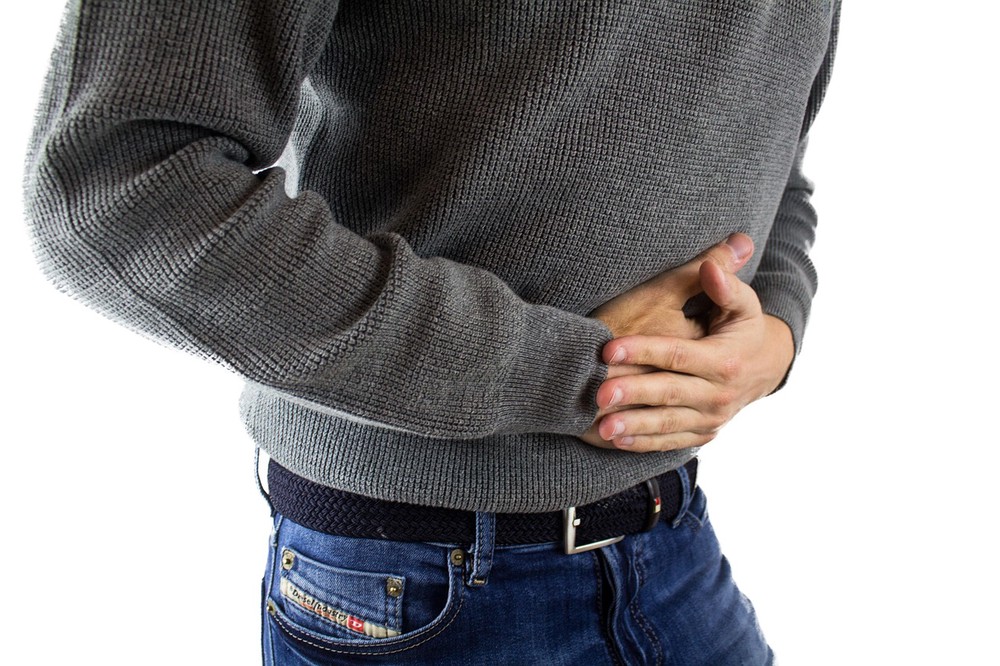
You sit down for a satisfying meal, and within an hour, your waistband feels snug. That heavy, stretched sensation—commonly called bloating—is one of the most frequent digestive complaints people bring to their doctor. While uncomfortable, occasional bloating after eating is usually a normal response to how, what, and when we eat.
Understanding the triggers hidden in your plate can help you feel better without overhauling your whole diet. Here is a clear-eyed look at why bloating happens and practical steps to reduce it.
What exactly causes that stuffed feeling?
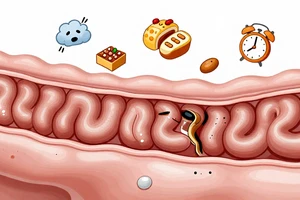
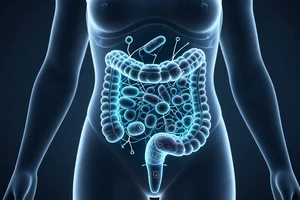
Bloating is essentially a buildup of gas or water in your digestive tract. It can stem from swallowed air, the way your body breaks down certain foods, or how your gut microbiome handles a meal. Common culprits include eating too quickly, consuming carbonated drinks, and eating large portions that stretch the stomach.
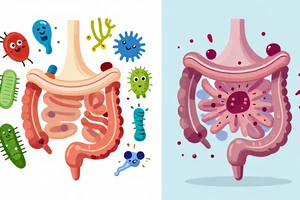
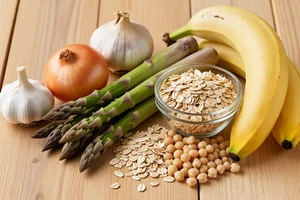
Foods that are high in fermentable carbohydrates—known collectively as FODMAPs—are a major trigger for many people. These include onions, garlic, beans, lentils, wheat, apples, and stone fruits. When these foods reach the large intestine only partially digested, gut bacteria feast on them and produce hydrogen, methane, or carbon dioxide. The gas distends the intestinal walls, and that is the bloating you feel.
Another factor is the timing and pacing of your meal. If you inhale your lunch in under ten minutes, you also swallow extra air. That air has to go somewhere, and much of it ends up trapped in your digestive tract.
A useful habit: put your fork down between bites. It slows you down and cuts the air you swallow by a surprising margin.
Could it be something more than gas?
For some people, bloating signals a deeper sensitivity or condition. Irritable bowel syndrome (IBS) often features bloating as a primary symptom. In IBS, the gut nerves are hypersensitive, so a normal amount of gas feels like a balloon. People with celiac disease or non-celiac gluten sensitivity may bloat after eating wheat, barley, or rye. Lactose intolerance is another well-known cause: without enough lactase enzyme, dairy sugars ferment in the colon and produce gas, cramping, and bloating.
If bloating is accompanied by marked weight loss, blood in the stool, persistent diarrhea, or severe pain, it warrants a medical evaluation. But for the vast majority, the issue is benign and manageable.
Practical steps to ease bloating after meals
Pay attention to portion size
A massive meal overwhelms your digestive system. Even healthy foods eaten in huge quantities can lead to bloating. Try eating smaller, more frequent meals to give your gut an easier workload.
Chew thoroughly and eat slowly
Digestion begins in the mouth. When you chew food into a fine paste, you reduce the work your stomach and small intestine have to do. Aim for 20 to 30 chews per bite, and set aside at least 20 minutes for a meal.
Watch the fizzy drinks
Carbonated beverages introduce gas directly into your stomach. If you are prone to bloating, swap sparkling water for still water, and limit beer and soda during meals.
Identify your trigger foods
Keep a simple diary for a week: write down what you ate and how your stomach felt two hours later. Patterns often emerge. Common triggers include beans, lentils, cabbage, onions, garlic, apples, watermelon, wheat, and dairy. You do not have to eliminate them forever; just note them and eat them in smaller amounts or with digestive aids.
Try a short walk after eating
A gentle 10- to 15-minute walk stimulates gut motility and helps move gas through the intestines. Lying down right after a meal can trap gas, whereas movement encourages it to pass.
Consider digestive enzymes or probiotics
Over-the-counter enzyme supplements containing alpha-galactosidase (for beans and cruciferous vegetables) or lactase (for dairy) can help break down specific problem foods. Probiotics may shift the balance of your gut bacteria over time, though results vary. It is wise to consult with a healthcare professional before starting any supplement regimen.
When to see a gastroenterologist
If bloating persists despite dietary tweaks, or if it interferes with your daily life, a specialist can help. Testing for celiac disease, bacterial overgrowth (SIBO), or food intolerances can point to a specific cause. For some, a low-FODMAP diet under a dietitian's guidance brings lasting relief.
The goal is not to shrink your diet to a few safe foods. It is to learn which foods your digestion handles well—and how to eat them without discomfort.
Bloating after meals is an experience shared by millions. For the vast majority, small adjustments in eating habits bring meaningful relief. Listen to your body, respect its signals, and adjust accordingly. Your gut will thank you.