Walk down the supplement aisle of any health store, and you will see bottles promising better digestion, less bloating, and more nutrient absorption. Digestive enzyme supplements have become a staple for people who feel heavy after meals or struggle with occasional stomach upset. But if you are new to the idea, it is natural to wonder whether they actually work — or if they are just another expensive bottle of hope.
The short answer is this: digestive enzymes can be genuinely helpful for some people, but they are not a universal fix. Understanding what they do, who might benefit, and what the science actually says will help you decide if they deserve a spot in your routine.
What exactly are digestive enzymes and how do they work?
Your body naturally produces digestive enzymes in the saliva, pancreas, and small intestine. These protein molecules break down food into smaller, absorbable components. The main types include:
- Amylases — break down carbohydrates and starches
- Proteases — break down proteins into amino acids
- Lipases — break down fats into fatty acids and glycerol
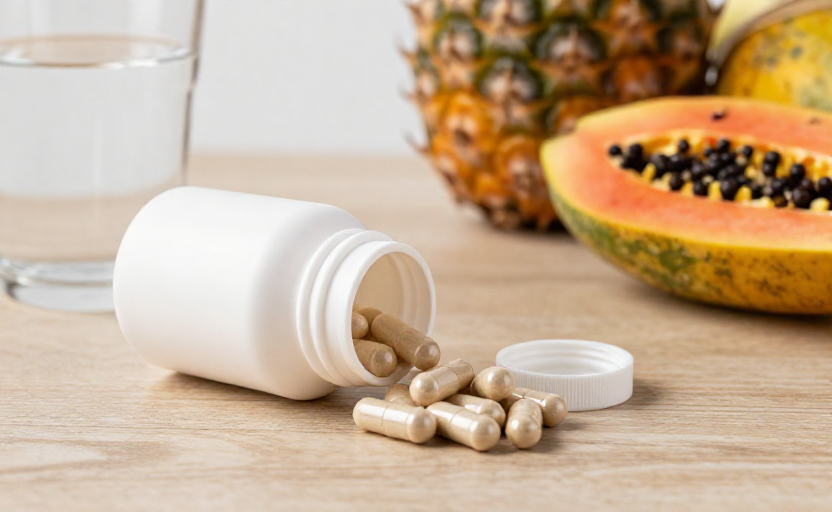
When you eat, these enzymes go to work. If your body is making enough of them, digestion proceeds smoothly. Supplement enzymes are typically derived from plant sources (like bromelain from pineapple or papain from papaya), fungi, or animal pancreas extracts. The idea is to top up what your body already produces — especially when the natural supply runs low or when a heavy meal demands extra help.
Who might actually need them?
Digestive enzyme supplementation is well-supported for people with specific medical conditions. For instance, those with chronic pancreatitis, cystic fibrosis, or exocrine pancreatic insufficiency (EPI) rely on prescription-strength enzyme therapy to prevent malnutrition. In these cases, the pancreas simply cannot produce enough enzymes, and supplements are not optional — they are essential medicine.
For the average healthy adult, the picture is less clear. Mild age-related decline in stomach acid and enzyme output does happen, but the body is remarkably adaptive. Some experts believe that occasional bloating, gas, or fullness after a large meal might be eased by a broad-spectrum enzyme supplement, especially when taken just before eating.
If you have persistent digestive issues, start with a visit to your doctor or a registered dietitian — not with a supplement bottle.
Certain eating patterns may also create a mismatch. People who have had gastric bypass surgery, those with IBS or SIBO, or individuals who eat very large, fat-heavy meals might notice a difference. However, experts caution against self-diagnosing enzyme deficiency based on symptoms alone, because bloating and discomfort can be caused by many other factors — including stress, food intolerances, or gut microbiome imbalances.
Does the science back the hype?
The evidence for enzyme supplements in otherwise healthy people is mixed and fairly limited. Most clinical studies have focused on patients with diagnosed malabsorption disorders, not on general digestive complaints. A few small studies suggest that over-the-counter enzymes may reduce gas and bloating after high-fat meals, but the effects are often modest and vary from person to person.
One of the challenges is that enzyme supplements are not regulated by the FDA with the same rigor as drugs. Potency and quality can differ significantly between brands. What you see on the label might not reflect what is actually in the capsule. If you decide to try them, look for products that have been third-party tested by organizations like USP, NSF International, or ConsumerLab.
Potential downsides and important caveats
Enzyme supplements are not risk-free. Possible side effects include stomach upset, nausea, diarrhea, or allergic reactions — especially with proteases derived from pineapple or papaya. Long-term safety data for daily use in healthy individuals is scarce. There is also a theoretical concern that regular supplementation might cause your pancreas to downregulate its own enzyme production, though this has not been proven in humans.
Cost is another factor. A month’s supply of a reputable enzyme blend can run anywhere from $20 to $60 or more. Given the uncertain benefits for healthy people, it is worth asking whether that money could be better spent on whole foods, fiber, or probiotics.
What alternatives should you consider first?
Before reaching for a supplement, many digestive experts recommend lifestyle adjustments that support your body's natural enzyme function:
- Chew food thoroughly — digestion actually begins in the mouth with saliva amylase. Rushing meals skips this crucial step.
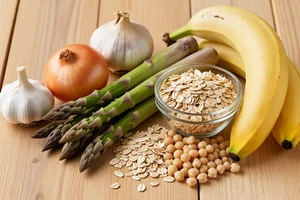
- Eat a balanced diet rich in fiber — fruits, vegetables, and whole grains provide natural cofactors that help digestion run smoothly.
- Stay hydrated — water is essential for enzyme activity and overall gut motility.
- Manage stress — chronic stress can impair stomach acid and enzyme secretion.
- Consider food intolerance testing — if you consistently feel bloated after dairy, wheat, or beans, the issue might be a specific intolerance rather than a general enzyme deficiency.
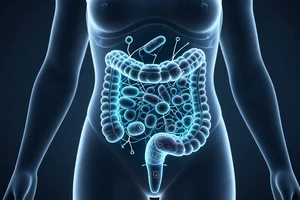
Probiotics and fermented foods (like yogurt, kimchi, and sauerkraut) support a healthy gut microbiome, which works alongside your own enzymes to break down food. For many people, improving gut flora yields better results than adding enzymes directly.
How to choose and use an enzyme supplement if you decide to try it
If you and your healthcare provider agree that a trial makes sense, here are practical guidelines to maximize safety and effectiveness:
- Pick a product with multiple enzyme types (amylase, protease, lipase, and possibly cellulase or lactase).
- Look for third-party testing verification on the label or website.
- Take the supplement with the first bite of a meal — not after eating.
- Start with the lowest effective dose and pay attention to how you feel.
- If you notice no improvement after two weeks, discontinue use.
Keep a simple food and symptom diary during the trial period. This will help you and your doctor identify whether the supplement is actually making a difference — or whether your symptoms are linked to specific foods, portion sizes, or timing.
The bottom line
Digestive enzyme supplements are a legitimate therapeutic tool for specific medical conditions. For the general healthy population, the evidence is thin, but some individuals do experience symptom relief, particularly with heavy meals or age-related digestive changes. There is no harm in trying a reputable product for a short period under professional guidance, but they are not a substitute for a thoughtful diet, proper chewing, and stress management. If you have chronic or severe symptoms, skip the supplement aisle and start with a thorough medical evaluation.