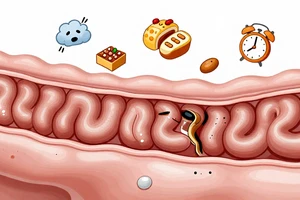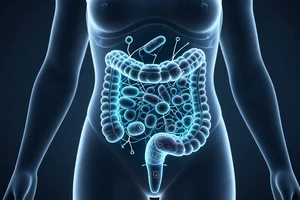
If you’ve been dealing with bloating after meals, a heavy sensation in your stomach, or unpredictable digestion, you may have wondered whether something in your gut needs support. While it’s normal to have occasional digestive hiccups, persistent discomfort often points to a lack of enzymes—the biological workhorses that break down your food.
Digestive enzymes are naturally produced by your pancreas, stomach, and small intestine. But as we age, or under stress from poor diet or illness, enzyme production can drop. Adding a targeted enzyme supplement—or eating more enzyme-rich foods—may help ease several common symptoms. Here are eight symptoms that often improve when you make digestive enzymes part of your routine.
1. Bloating and gas after meals
That tight, swollen feeling an hour after eating is often a sign that food is sitting in your gut longer than it should, fermenting and producing gas. When you don’t have enough enzymes—especially proteases (for protein), amylases (for carbs), and lipases (for fats)—undigested particles reach the colon, where bacteria have a feast. That process creates gas. With added enzymes, more food is absorbed in the small intestine, and less gets to the bacteria that cause bloating. Many people notice a significant reduction in post-meal bloat within a few days of consistent use.
2. Acid reflux or heartburn
Heartburn is often assumed to be about too much acid, but surprisingly, it can also result from too little hydrochloric acid or stalled digestion. When food doesn’t break down quickly in the stomach, it sits longer and puts upward pressure on the lower esophageal sphincter. Enzymes help move things along, reducing the backward splash of stomach contents. A broad-spectrum enzyme taken with a meal may calm that burning sensation, though anyone with Barrett’s esophagus or severe reflux should check with their doctor first.
3. Irregular bowel movements (constipation or loose stools)
Your gut’s transit time depends heavily on proper breakdown. If your body struggles to digest fats, you may notice pale, floating, or loose stools—a clue that lipase is low. On the other hand, undigested fiber and complex carbs can cause constipation. Digestive enzymes help normalize stool consistency by ensuring nutrients break down completely. For some, adding a blend that includes cellulase (for plant fiber) is especially helpful for easing constipation.
4. Feeling excessively full after a small meal
If a normal-sized meal leaves you uncomfortably stuffed for hours, your stomach may be slow to empty. This condition—called gastroparesis or delayed gastric emptying—is common in people with diabetes, but can happen to anyone. Enzymes, particularly those that target protein and fat, can speed stomach emptying. When you take them with the first bite, you’re essentially giving your stomach a jump-start. Many report that the heavy, prolonged fullness lifts within 30–60 minutes after a meal.
5. Food sensitivities (not true allergies)
Some food sensitivities are not immune reactions but rather the result of inadequate digestion. For example, if you lack enough lactase, the enzyme that breaks down milk sugar, you’ll experience bloating and cramping after dairy. Similar issues occur with legumes (alpha-galactosidase) or gluten (DPP-IV). Taking a targeted enzyme just before a problem food can make the difference between misery and a comfortable meal. This is especially helpful for those who want to enjoy an occasional slice of pizza or a bowl of chili without suffering.
6. Low energy after eating
The so-called “food coma” isn’t just about big meals—it can happen after a moderate lunch, too. When your digestive system struggles to break down food, it directs a huge amount of blood flow to the gut, leaving you sluggish. Enzymes lighten that workload. With better nutrient absorption, you also get a steadier release of fuel into the bloodstream, which helps avoid the post-meal crash.
7. Visible undigested food in stool
Seeing recognizable bits of food—corn, carrots, greens—in the toilet bowl is a clear sign that your digestive system isn’t fully breaking down what you eat. While some coarse plant material is normal, large amounts suggest your enzymes are overwhelmed. Over time, this means you’re missing out on valuable nutrients. A good multi-enzyme formula can close that gap, helping you absorb more of the vitamins and minerals from the food you’re already eating.
8. Joint or muscle discomfort linked to histamine
This one connects your gut to the rest of your body. Certain foods—like aged cheese, cured meats, and wine—contain high levels of histamine. If your body doesn’t produce enough diamine oxidase (DAO), the enzyme that neutralizes histamine, you can experience headaches, flushing, or joint pain after eating. Some digestive enzyme blends now include DAO specifically to address histamine intolerance. While the research is still emerging, many people report a dramatic improvement in systemic symptoms when they support this pathway.
Getting started: Key considerations
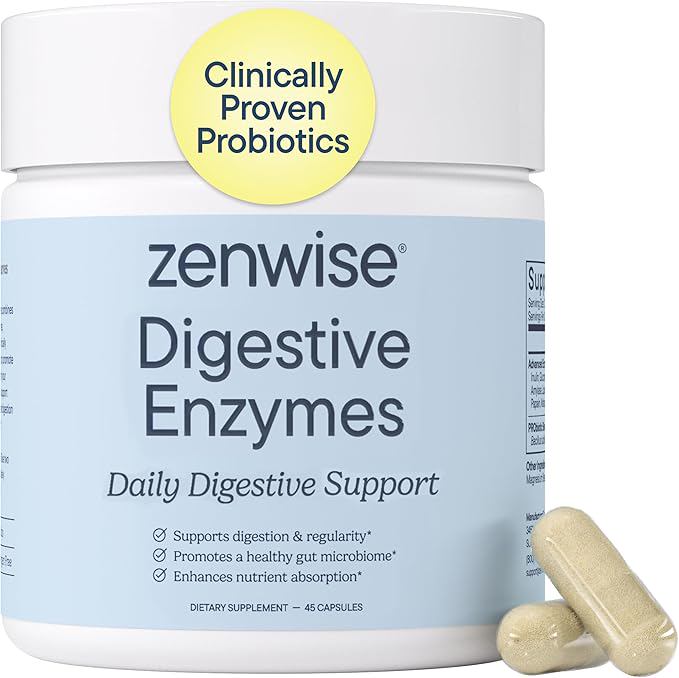
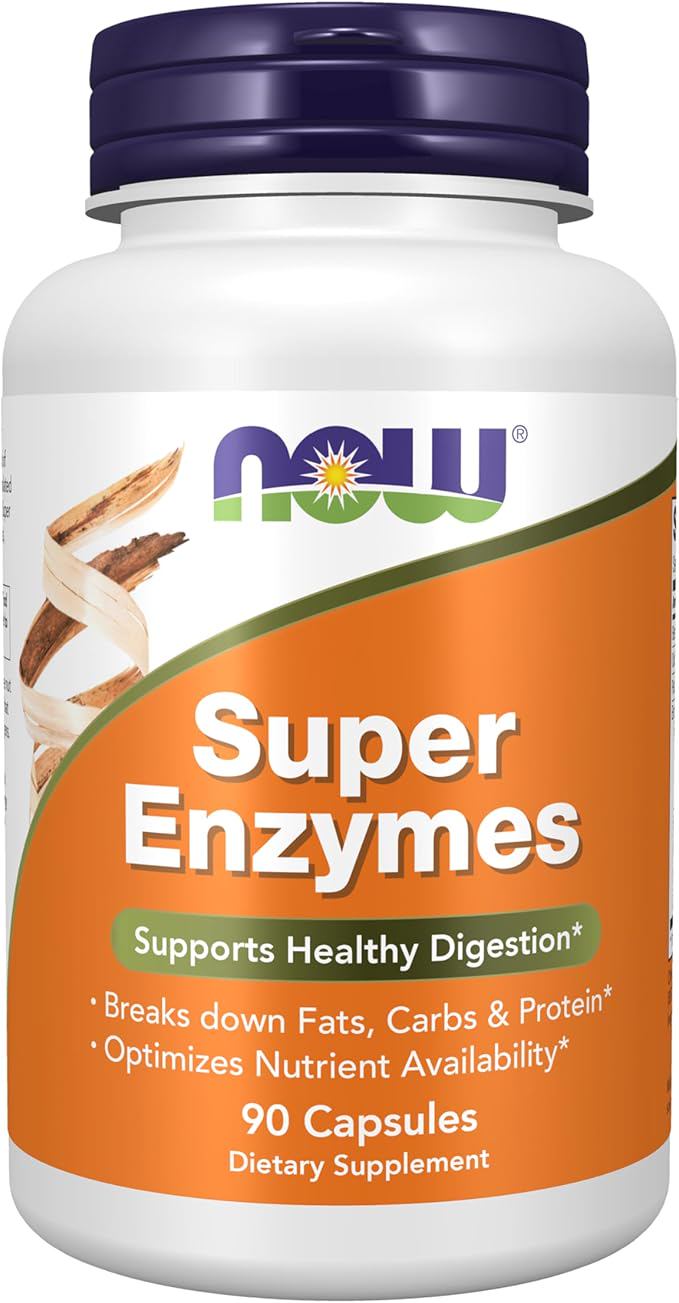
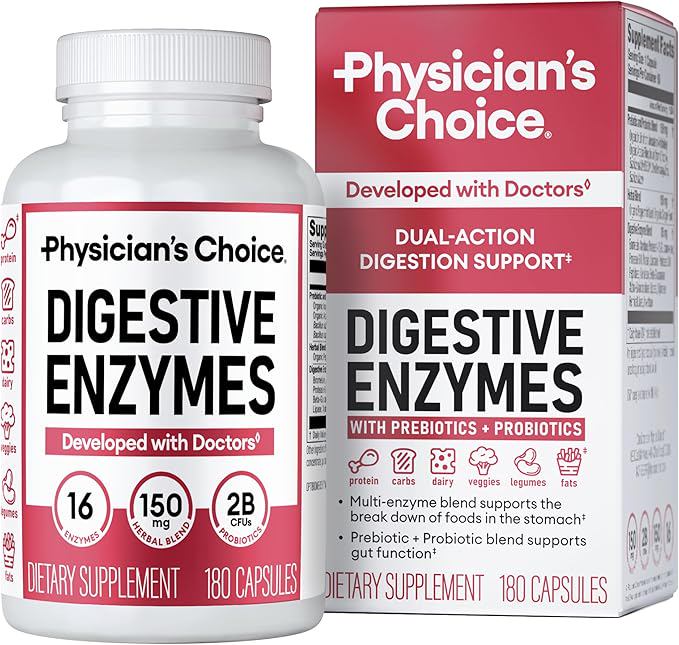
Digestive enzymes are not all the same. For general support, a comprehensive blend containing amylase, protease, lipase, and lactase is a good starting point. If you have specific triggers—like dairy or beans—choose a targeted formula. Take them with the first bite of your meal, not before or after, for maximum effect. And remember: supplements are helpers, not substitutes. A whole-foods diet, adequate hydration, and chewing thoroughly are still the foundation of good digestion.
Bottom line: If you struggle with bloating, irregularity, or heavy feelings after eating, a trial of digestive enzymes may offer relief. Pay attention to which symptoms shift in the first week—those are your personal clues about what your gut really needs.