Gut health can feel like a puzzle. Between kombucha brands, yogurt labels, and supplement capsules, it’s easy to overthink how to get more probiotics into your day. But the simplest way to support your microbiome is often through food—specifically, snacks that naturally deliver live cultures without requiring a complicated routine.
Here are eight science-backed, fermented, and cultured snacks that make it easy to eat for your gut. No guesswork, no strange powders—just real food.
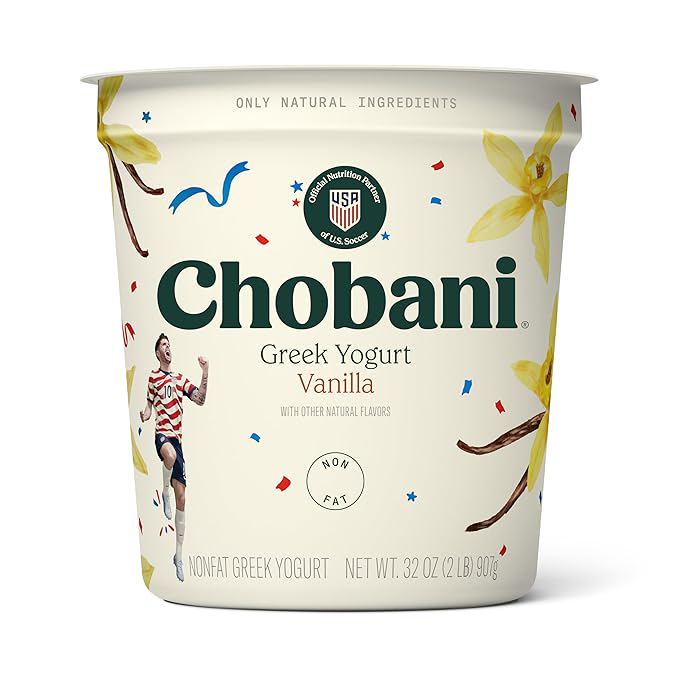
1. Plain Yogurt With Live Active Cultures
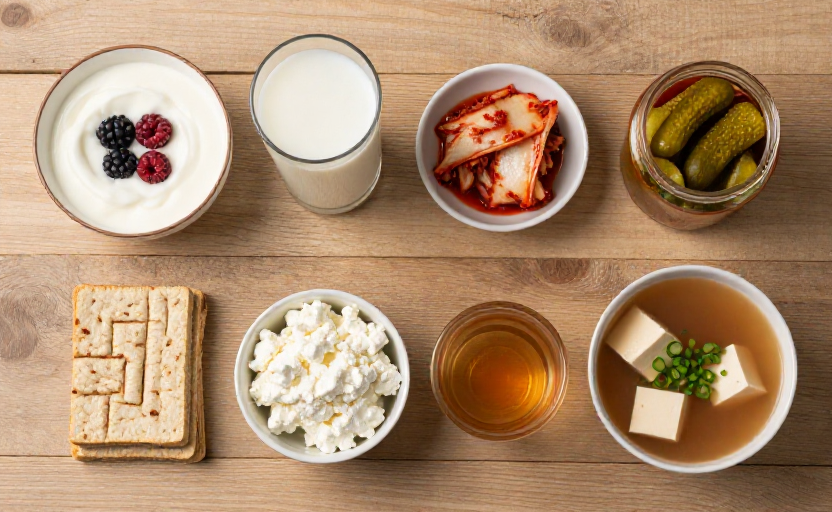
Yogurt is one of the most studied probiotic carriers. Look for plain varieties (Greek or regular) that list Lactobacillus bulgaricus and Streptococcus thermophilus on the label. Some brands also add strains like Lactobacillus acidophilus and Bifidobacterium lactis. Stick with unsweetened versions; added sugar can counteract the benefits by feeding less desirable gut bacteria.
A small bowl with a handful of berries or a drizzle of honey makes a quick, balanced snack.
2. Kefir (Milk or Water)
Kefir is a fermented drink that packs more bacterial and yeast strains than yogurt—often 30 or more. It’s thinner than yogurt and slightly tangy. Milk kefir (dairy) offers protein and calcium, while water kefir is a lighter, dairy-free option for those who avoid lactose.
Aim for plain kefir to avoid the sugar overload in flavored versions. Drink it straight, blend into smoothies, or pour over granola.
3. Fermented Vegetables (Sauerkraut, Kimchi)
Not all jarred sauerkraut is probiotic. Only refrigerated, unpasteurized varieties retain live cultures—the shelf-stable cans are dead. The same rule applies to kimchi. Both contain Levilactobacillus brevis and Lactiplantibacillus plantarum, among other strains.
Use as a topping for rice bowls, scrambled eggs, or avocado toast. A few forkfuls per day is enough; the sodium content can add up if you eat servings larger than two tablespoons.
4. Miso Paste in Quick Broths
Miso is fermented soybean paste rich in Aspergillus oryzae (a fungus), along with bacteria like Tetragenococcus halophilus. While you often see it in soup, it also works as a savory snack: stir a spoonful into hot water with tofu cubes and sliced scallions.
Because live cultures die at boiling temperatures, let the water cool slightly before mixing in the miso.
5. Fermented Pickles (Brine-Cured, Not Vinegar-Pickled)
Only pickles that are naturally fermented in salt brine—not vinegar—contain probiotics. Check the label; if it says "fermented" or "naturally fermented" and is sold in the refrigerated section, you’re in good shape. Cucumbers pickled in vinegar offer crunch but no live cultures.
Snack on a spear or two with a sandwich or salad.
6. Tempeh (Pan-Fried or Crumbled)
Tempeh is fermented whole soybeans bound by Rhizopus mold, creating a firm patty with a nutty flavor. It contains Bacillus subtilis and other beneficial microbes. Slice and pan-fry until golden, then eat with hummus or tuck into a wrap.
Because tempeh is cooked, some of the probiotics may be reduced—but the fiber and prebiotics in the soybeans still nourish your gut bacteria.
7. Cottage Cheese With Live Cultures
Some cottage cheese brands add probiotics such as Lactobacillus rhamnosus or Bifidobacterium lactis. Look for "live and active cultures" on the label, preferably alongside Lactococcus lactis and Leuconostoc starter cultures.
Pair with fruit or a sprinkle of black pepper and flaxseeds.
8. Kombucha (Low-Sugar Varieties)
Kombucha is fermented black or green tea made with a symbiotic culture of bacteria and yeast (SCOBY). It typically contains Acetobacter, Lactobacillus, and other acetic-acid bacteria. To avoid excess sugar, choose plain or low-sugar flavors without fruit juice concentrates. Half a bottle per day is a reasonable serving, with the rest reserved for later.
A Quick Note on Consistency and Label Reading
Probiotics need to keep arriving—one snack won't permanently shift your gut ecosystem. Incorporate at least one or two of these options into your daily rotation. Look for phrases like "live cultures," "unpasteurized," "raw," or "naturally fermented" on packages; heat processing kills the beneficial microbes.
And if you have a compromised immune system or are undergoing treatment for a chronic condition, talk with your healthcare provider before adding large amounts of fermented foods to your diet. Otherwise, enjoy the flavors and let your gut do the rest.