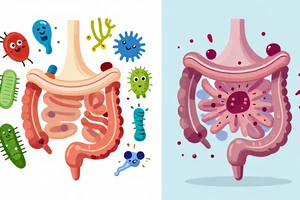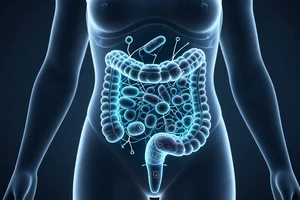

Your gut microbiome is a vast, living ecosystem of trillions of microorganisms that influence everything from digestion to mood and immunity. When this community is rich and diverse, it tends to be more resilient. When diversity drops, certain signs can start to surface. While these clues don't replace medical testing, they can help you tune into what your digestive system might be communicating.
1. You Experience Frequent Digestive Upset
The most direct signal often comes from the gut itself. If you regularly deal with bloating, gas, constipation, or loose stools, your microbial balance may be out of whack. A less diverse microbiome often lacks the specific bacteria that help break down fiber and complex carbohydrates efficiently. This can lead to fermentation where it shouldn't happen, causing discomfort and irregularity.
2. You Get Sick Often or Take a Long Time to Recover
About 70 to 80 percent of your immune tissue lives in your gut. A diverse microbiome helps train immune cells to distinguish friend from foe. When diversity is low, your immune system may not mount a strong or fast response. If you find yourself catching every cold in the office or needing extra days to shake off a bug, your gut flora could be a contributing factor.
3. Unusual Food Cravings, Especially for Sugar
Your gut bacteria can influence your food choices. Certain microbial strains thrive on sugar and simple carbohydrates, and they send chemical signals to your brain that can amplify cravings. If you're reaching for sweets or refined carbs more than usual, a lack of microbial diversity may mean that sugar-loving species have taken over, crowding out more beneficial bacteria.
4. You Feel Fatigued or Brain Fogged
The gut and brain are connected through the vagus nerve and a network of signaling molecules. Gut bacteria produce neurotransmitters like serotonin and GABA, which help regulate mood and energy levels. An imbalanced microbiome can lead to lower production of these compounds, contributing to fatigue, sluggish thinking, or difficulty concentrating. If your mental energy dips after meals, that's another clue.
5. Unexplained Skin Irritations
Skin conditions like eczema, rosacea, or chronic acne sometimes have roots in the gut. When the intestinal barrier becomes more permeable (often called "leaky gut"), inflammatory particles can enter the bloodstream and trigger skin inflammation. A lack of bacterial diversity makes the gut lining more vulnerable, and the skin often shows the result before you connect the dots internally.
6. You Have Taken Multiple Rounds of Antibiotics
Antibiotics are powerful tools for fighting infections, but they also wipe out large swaths of gut bacteria—both good and bad. If you've had several courses in the past year, or even a single long course, your microbiome may not have returned to its original diversity. This doesn't mean you should avoid antibiotics when needed, but it is a valid reason to pay extra attention to gut support afterward.
7. Persistent Low Mood or Anxiety
Research continues to show strong links between gut health and mental well-being. A low-diversity microbiome can affect the production of mood-regulating neurotransmitters. While many factors drive mood disorders, a lack of microbial variety may amplify feelings of anxiety or low mood. Improving gut diversity is not a cure, but it can be an important part of a holistic approach.
What Can You Do to Support Diversity?
If some of these signs resonate, the goal isn't to panic—it's to take gradual, supportive steps. Eat a wide variety of plant foods (aim for 30 different types per week), include fermented foods like yogurt, kefir, sauerkraut, or kimchi, and reduce ultra-processed foods. Stay hydrated, manage stress, and prioritize sleep.
A diverse diet is the single most effective way to cultivate a diverse microbiome. Think of fiber as fertilizer for your good bacteria.
Always consult with a healthcare professional before making significant changes, especially if you have an existing digestive condition. These signs are conversation starters, not diagnoses.