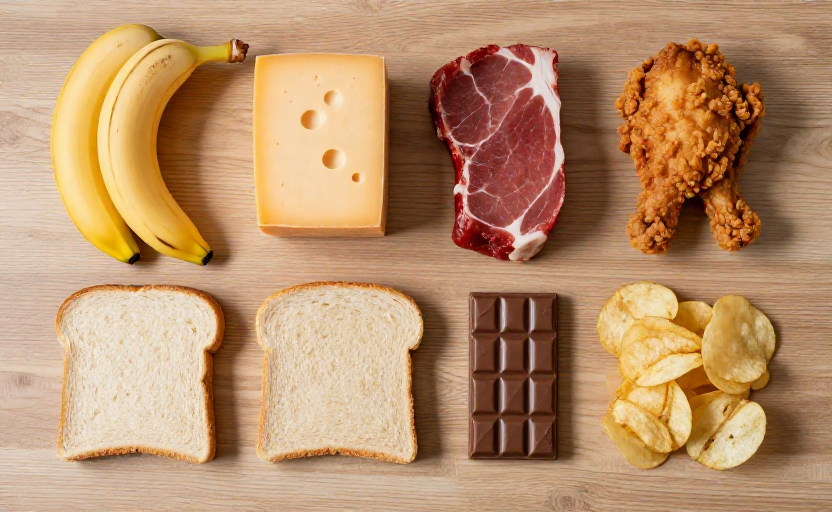
When constipation becomes a daily struggle rather than an occasional inconvenience, the foods on your plate often hold the biggest clues. While fiber-rich fruits and vegetables get most of the credit for keeping things moving, certain common foods can quietly work against you, turning a manageable issue into a persistent problem.
If you're dealing with chronic constipation, removing or reducing these seven foods—at least for a few weeks—may help reset your digestive rhythm. As always, big dietary changes should be discussed with a healthcare provider, especially if symptoms are severe or long-standing.
1. Unripe bananas
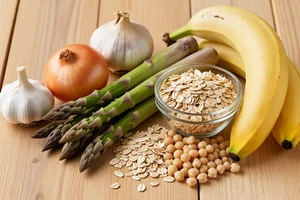
A banana's effect on digestion depends entirely on its color. Green, unripe bananas contain high levels of resistant starch, which can be tough for the body to break down. In sensitive individuals, this can slow stool passage and contribute to bloating and constipation. Ripe bananas with brown spots, on the other hand, are easier to digest and may have a mild laxative effect.
2. Dairy products (for those who are sensitive)
For people with lactose intolerance or a sensitivity to cow's milk protein, dairy can be a major contributor to chronic constipation. Cheese, ice cream, and whole milk are especially problematic because they are low in fiber and high in fat. The fat can slow gastric emptying, while undigested lactose can lead to gas and discomfort. If you suspect dairy is an issue, try eliminating it for two weeks to see if bowel habits improve.
3. Red meat
Red meat is dense, fatty, and contains no fiber. Studies suggest that people who eat higher amounts of red meat tend to report more constipation, likely because it displaces other fiber-rich foods in the diet and because the fat can slow down transit time. If you enjoy meat, consider swapping red meat for poultry or fish, and always pair it with a generous serving of vegetables.
4. Fried and fast foods
Deep-fried foods and greasy fast-food meals are high in unhealthy fats and low in fiber. They take longer to digest, which can lead to a feeling of fullness and sluggish bowel movements. The lack of water and fiber in these meals also means less bulk in the stool, making it harder to pass. Cutting back on fried foods can often produce noticeable improvements within a few days.
5. White bread and refined grains
Refined grains—white bread, white rice, regular pasta, and many crackers—have had their bran and germ removed, stripping away most of their fiber. Without that fiber, the digestive system has less to work with, and stool can become dry and compact. Replacing even half of your refined grain servings with whole grains (like oats, brown rice, or whole-wheat bread) can add the bulk needed for regular elimination.
A simple swap: Choose 100% whole-grain or sprouted grain bread instead of white bread. The fiber content can be three to four times higher per slice.
6. Chocolate
Chocolate is a known trigger for some people with chronic constipation. While the exact mechanism isn't fully understood, it may involve the high fat content or the presence of compounds that affect gut smooth muscle contractions. For those who notice a pattern between eating chocolate and constipation, reducing intake or switching to a small amount of dark chocolate (70% cacao or higher) may help.
7. Processed snack foods (chips, pretzels, cookies)
Packaged snacks are typically low in fiber, high in refined flour, sugar, and unhealthy fats. They also tend to be low in water content. A diet heavy in these foods can quickly lead to a lack of both soluble and insoluble fiber, resulting in infrequent, hard stools. If you need a snack, try fresh fruit, a handful of nuts, or raw vegetables with hummus instead.
Eliminating these foods does not guarantee a cure for chronic constipation, but it can remove common dietary obstacles. Pair these changes with adequate hydration (aim for at least 64 ounces of water per day), regular physical activity, and a gradual increase in fiber from whole foods. If constipation persists for more than three weeks, or if you experience severe pain, blood in the stool, or unintended weight loss, consult a healthcare professional for a thorough evaluation.