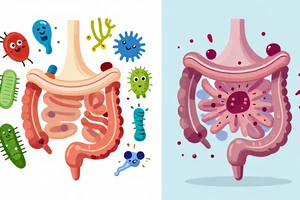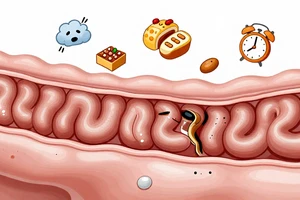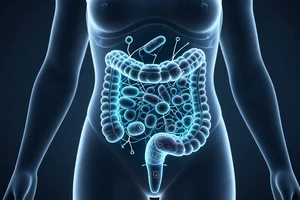
That uncomfortable, tight, overstuffed feeling after a meal — the kind that makes you want to unbutton your jeans — is something most of us know well. Bloating is incredibly common, and while it can stem from a variety of causes like eating too quickly or underlying digestive conditions, the foods on your plate are often the primary culprit.
We spoke with registered dietitians to pinpoint the seven most common dietary triggers for post-meal bloating. This isn't about demonizing these foods; many are perfectly healthy. The goal is to understand how they interact with your digestive system so you can make informed choices about when and how much to eat.
1. Beans and Legumes: The Fiber and FODMAP Double Whammy
Beans, lentils, and chickpeas are nutritional powerhouses — packed with fiber, protein, and minerals. However, they are also rich in complex sugars called oligosaccharides, a type of FODMAP (fermentable oligo-, di-, mono-saccharides and polyols).
“Our small intestine doesn't have the enzymes to fully break down these sugars,” explains a dietitian specializing in gut health. “When they reach the large intestine, gut bacteria ferment them, producing gas — which leads to bloating and discomfort.”
Tip: Soaking dried beans overnight and discarding the water before cooking can significantly reduce the gas-producing compounds. Canned beans should be rinsed thoroughly.
2. Cruciferous Vegetables: Nutrient-Dense but Gas-Prone
Broccoli, cauliflower, cabbage, Brussels sprouts, and kale are star players in a healthy diet. They contain sulforaphane and other cancer-fighting compounds. But they also contain raffinose, another complex sugar that ferments in the gut, plus sulfur-containing compounds that produce that distinctive (and often embarrassing) gas.
For some, even a small serving can trigger noticeable bloating. Cooking these vegetables thoroughly — steaming, roasting, or sautéing — breaks down some of the fibrous cell walls and complex sugars, making them easier to digest than eating them raw.
3. Carbonated Beverages: The Invisible Air
This one is simple physics. When you drink soda, sparkling water, or beer, you are swallowing carbon dioxide gas. That gas has to go somewhere. “A lot of the bloating people feel after drinking a carbonated beverage isn't from digestion at all,” a dietitian notes. “It's just trapped air expanding in your stomach and intestines.”
Switching to still water, herbal tea, or water infused with fruit for a few days can help you determine if bubbles are a major trigger for you.
4. High-FODMAP Fruits: Apples, Pears, and Stone Fruits
Fructose, the natural sugar in fruit, is absorbed via a specific transporter in the small intestine. Apples and pears have a high ratio of fructose to glucose, which can overwhelm that transporter for some people, leading to fermentation in the colon. Watermelon, mango, and stone fruits like peaches and plums are also common triggers.
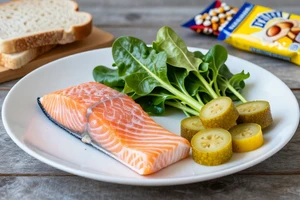
This doesn't mean you should avoid fruit. Lower-FODMAP options like bananas, blueberries, strawberries, and citrus fruits (oranges, grapefruit) are typically much easier on the gut.
5. Dairy Products: Lactose Intolerance Is More Common Than You Think
Even if you don't consider yourself “lactose intolerant,” your body's production of the enzyme lactase naturally declines with age for many people. When you eat cheese, milk, or ice cream, undigested lactose pulls water into the bowel and is then fermented by bacteria, causing bloating, gas, and cramping.
Hard, aged cheeses (like cheddar and parmesan) are naturally low in lactose. Yogurt with live, active cultures also often contains bacteria that help digest some of the lactose, making it better tolerated.
6. Onions and Garlic: Flavorful but FODMAP-Rich
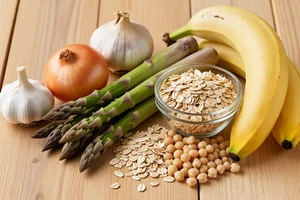
These are the backbone of countless savory dishes, but they are also some of the highest sources of fructans — another FODMAP. For people with sensitive guts or conditions like IBS, even a small amount of onion or garlic powder can trigger significant bloating that lasts for hours.
Garlic-infused olive oil (where the garlic cloves are steeped but removed) provides the flavor without the FODMAP compounds, as fructans are not oil-soluble.
7. Wheat and Grains: Beyond Gluten
Bread, pasta, and baked goods are common culprits. While gluten sensitivity is one piece of the puzzle, wheat also contains fructans. As a dietitian puts it, “Many people who feel better cutting out wheat actually have a fructan sensitivity, not a true gluten intolerance or celiac disease.”
White rice, oats (certified gluten-free if cross-contamination is a concern), quinoa, and corn are excellent alternatives that tend to be much less fermentable and therefore less likely to cause bloating.
The bottom line. Bloating is a signal, not a sentence. Paying attention to which of these foods consistently causes discomfort — and experimenting with portion sizes, preparation methods, and pairing them with other foods — can help you build a diet that feels both nourishing and comfortable.