Your digestive system works hard every time you eat, and enzymes are the unsung heroes behind the scenes. They break down proteins, fats, and carbohydrates into smaller molecules your body can absorb. As we age, enzyme production can naturally decline, and certain health conditions can slow things down further. Instead of looking for a supplement first, many dietitians suggest adding specific foods that are naturally rich in digestive enzymes or that encourage your body's own enzyme production. Here are seven dietitian-approved foods to support smoother digestion.
1. Pineapple: The Bromelain Powerhouse
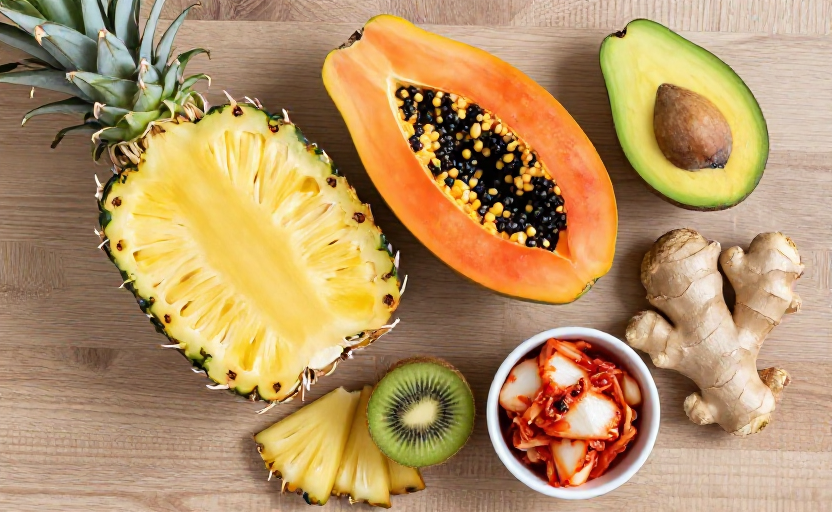
Pineapple is one of the best-known sources of bromelain, a group of enzymes that help digest protein. Bromelain is especially concentrated in the core of the fruit, so don't toss it all away. Research suggests that bromelain can also reduce inflammation in the gut, which may help people with conditions like ulcerative colitis. A small bowl of fresh pineapple as a snack, or added to a smoothie, is a simple way to get these enzymes. Note that canned pineapple loses most of its enzyme activity due to heat processing, so always choose fresh or frozen.
2. Papaya: A Tropical Helper for Protein
Papaya contains papain, another proteolytic enzyme similar to bromelain. It's traditionally used in many cultures as a meat tenderizer because it breaks down tough protein fibers. Eating ripe papaya can help your stomach process protein-rich meals more efficiently. The fruit also provides fiber and vitamin C, which support overall gut health. For the highest enzyme activity, eat papaya when it's fully ripe and soft, and include the seeds if you can—they have their own digestive benefits, though they are quite peppery in taste.
3. Mango: Not Just for Flavor
Mangoes contain a unique blend of amylases, the enzymes that break down complex carbohydrates into simple sugars. These amylases become more active as the fruit ripens, which is why ripe mangoes taste sweeter. Eating mango can help your body digest starches from grains, potatoes, and legumes more easily. It's a gentle fruit for most stomachs and pairs well with yogurt or overnight oats for a breakfast that supports digestion from the start of your day.
4. Kiwi: The Actinidin Advantage
Kiwifruit is loaded with actinidin, a protease enzyme that breaks down protein. Studies have shown that eating two kiwis a day can help reduce bloating, constipation, and indigestion. Actinidin works alongside the stomach's natural pepsin to digest protein more efficiently. Kiwis also offer a good amount of fiber and prebiotics, feeding your gut bacteria. Try eating the skin if you can tolerate it—it's packed with extra fiber and nutrients, though wash it thoroughly first.
5. Fermented Foods: A Natural Enzyme Factory
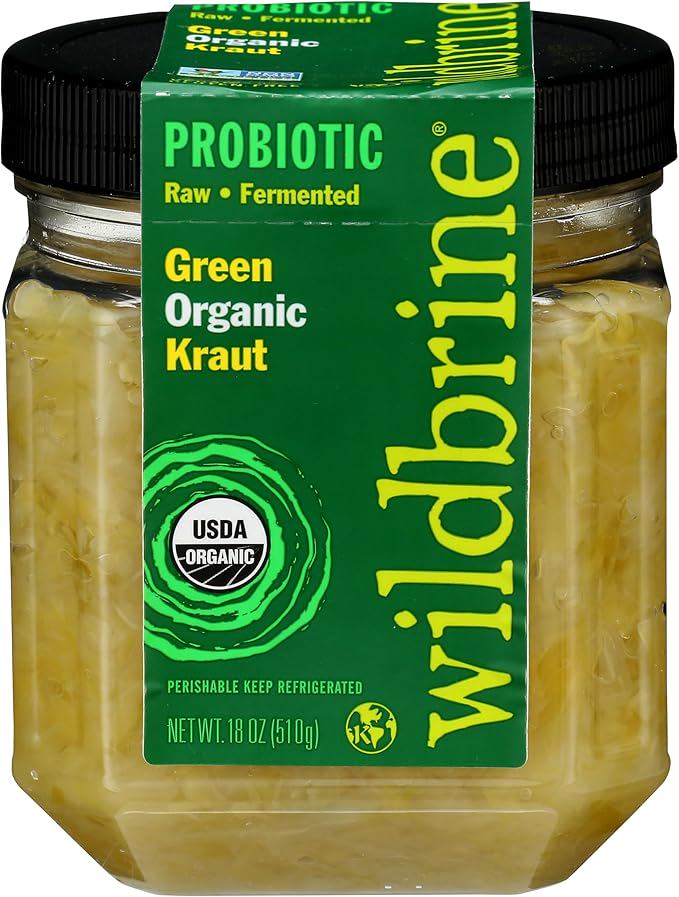
Foods like kimchi, sauerkraut, miso, and kefir are created through fermentation, a process that naturally produces a wide range of digestive enzymes, including lipases, proteases, and lactases. These enzymes are produced by the bacteria and yeasts used in fermentation. Adding a small serving of fermented vegetables to your plate, or having a cup of kefir as a snack, introduces both live cultures and active enzymes to your digestive tract. Look for unpasteurized versions in the refrigerated section, as pasteurization kills the helpful microbes and deactivates many enzymes.
6. Avocado: Healthy Fats Meet Digestive Support
Avocado is a unique fruit because it contains lipase, an enzyme that helps break down dietary fats. While our pancreas produces lipase naturally, eating avocado gives your body an extra boost for fat digestion. This can be especially helpful after a heavier meal. Avocado also provides healthy monounsaturated fats, fiber, and potassium, making it a great all-rounder for gut and heart health. Add slices to salads, mash onto toast, or blend into a dressing to get the benefits.
7. Ginger: The Digestive Soother
Ginger is well known for settling an upset stomach, but it also contains a potent enzyme called zingibain, which helps digest protein. Additionally, ginger stimulates saliva and bile production, setting the stage for better breakdown of food. Many traditional medicine systems use ginger specifically to improve digestion and reduce gas. You can enjoy it fresh in tea, grated into stir-fries, or added to warm water with lemon before a meal. Chewing a thin slice of fresh ginger can also help stimulate your digestive enzymes right before eating.
Tip: Pairing fresh, enzyme-rich fruits and vegetables with meals—rather than eating them alone on an empty stomach—can maximize their digestive benefits.
How to Use These Foods Wisely
These foods are not magical cures, and they won't fix every digestive issue on their own. They work best as part of a balanced, whole-food diet. The enzymes in fruit and vegetables are heat-sensitive, so the most effective forms are raw or minimally processed. Gentle cooking (like steaming at low temperatures) can preserve some enzyme activity, but high heat will destroy it. If you have a diagnosed digestive condition like pancreatitis, gallbladder disease, or severe food allergies, talk to your doctor before making significant changes to your diet. For most people, adding a serving of one or two of these foods each day can gently support digestive function over time.