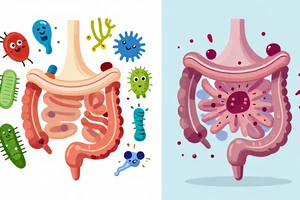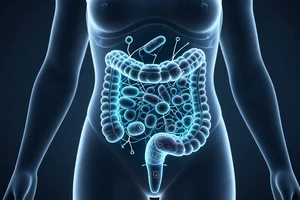

You might think of your gut and brain as two separate systems, but they are in constant, silent conversation. This bidirectional communication network, often called the gut-brain axis, influences everything from your mood and focus to your immune response and digestion. The surprising part? Some of the most common daily habits can subtly interfere with this delicate dialogue, often without you noticing any immediate symptoms.
Here are seven everyday routines that may be quietly disrupting your gut-brain connection, along with practical ways to restore balance.
1. Starting the Day with Coffee on an Empty Stomach
That first cup of coffee is a ritual for millions, but when it lands in an empty stomach, it can be a shock to the system. Caffeine stimulates gastric acid production and speeds up colon activity, which might feel like a wake-up call for your digestion. However, doing this habitually on an empty stomach can irritate the gut lining and disrupt the vagus nerve — the main physical highway between your gut and brain. Over time, this repeated irritation may alter the signaling that tells your brain you are calm or stressed.
Try this instead: Eat a small, balanced breakfast first — something with fiber and protein, like oats or eggs — before your coffee. This buffers the impact and keeps the gut-brain signal smoother.
2. Eating Dinner Too Close to Bedtime
The gut-brain axis relies on your circadian rhythm, the internal clock that regulates sleep-wake cycles. When you eat a large meal within two to three hours of sleeping, your digestive system has to work hard at a time when it should be winding down. This sends conflicting signals to the brain: the body is trying to rest, but the gut is actively processing food. This conflict can reduce the quality of deep sleep, which itself is essential for resetting the gut-brain connection.
Aim to finish your last meal at least three hours before you lie down. Your gut and brain will both thank you in the morning.
3. Overusing Antibacterial Hand Sanitizer
While hygiene is important, over-sterilizing your hands with alcohol-based sanitizers throughout the day can have an unintended consequence. The gut microbiome is partly influenced by the microbes you encounter in your environment. Overly aggressive hygiene practices may reduce the diversity of bacteria you are exposed to, which can indirectly affect the gut-brain axis. A less diverse gut microbiome has been linked to higher stress reactivity and lower mood resilience.
Frequent handwashing with soap and water is effective and less disruptive to your microbial exposure than repeated dousings of sanitizer.
4. Staring at Screens During Meals
Eating while scrolling through social media, watching videos, or working might feel efficient, but it robs your gut-brain connection of a key input: mindful awareness. The vagus nerve responds to the sight, smell, and taste of food by preparing the stomach for digestion. When you are distracted, the brain doesn't send those full preparatory signals, leading to incomplete digestion and discomfort. This habitual divided attention can also make you prone to overeating, which puts additional strain on the gut-brain communication loop.
One small change: Try eating your first three bites of each meal without any screens. It resets awareness and gives the vagus nerve a chance to engage properly.
5. Using Mouthwash Multiple Times a Day
It sounds unrelated to gut health, but your mouth is the starting point of the digestive tract. Many antibacterial mouthwashes wipe out the oral microbiome — the beneficial bacteria living in your mouth. These oral microbes produce nitric oxide, a compound that helps regulate blood flow and communication between the gut and brain. When you kill these bacteria too aggressively, you can lower nitric oxide production, potentially affecting mood and circulation.
Consider switching to an alcohol-free, gentler mouthwash and using it only once daily, or skip it entirely unless your dentist recommends it for a specific reason.
6. Sleeping with Artificial Light
Your gut microbiome follows a rhythm based on light and dark. Exposure to blue light from phones, tablets, or even room lights during sleep suppresses melatonin production. Melatonin is not just a sleep hormone; it also acts as an antioxidant in the gut and helps maintain the integrity of the gut lining. When melatonin is disrupted, the gut barrier can become more permeable — sometimes called “leaky gut” — which then allows inflammatory signals to reach the brain, clouding cognition and mood.
Keep your bedroom pitch black, and avoid screens for at least 30 minutes before bed. A simple sleep mask can also make a difference.
7. Relying on Artificial Sweeteners for Daily Drinks
Many people switch to diet sodas or zero-calorie sweeteners to cut sugar, but these artificial compounds can change the composition of gut bacteria. Research suggests that some sweeteners, like sucralose and saccharin, can reduce beneficial bacterial populations and increase the growth of bacteria associated with metabolic changes. Since your gut microbiome produces many of the neurotransmitters that affect your mood, an imbalance here can directly influence how your brain feels day to day.
If you crave sweetness, try stevia or monk fruit in moderation, but the best choice for the gut-brain axis remains plain water or unsweetened herbal tea.
Restoring a healthy gut-brain connection does not require an overhaul of your entire life. Small adjustments to these seven habits can strengthen the communication lines between your stomach and your mind, leading to better sleep, more consistent energy, and greater emotional stability. Pay attention to the cues your body gives you, and treat that gut-brain dialogue with the respect it deserves.