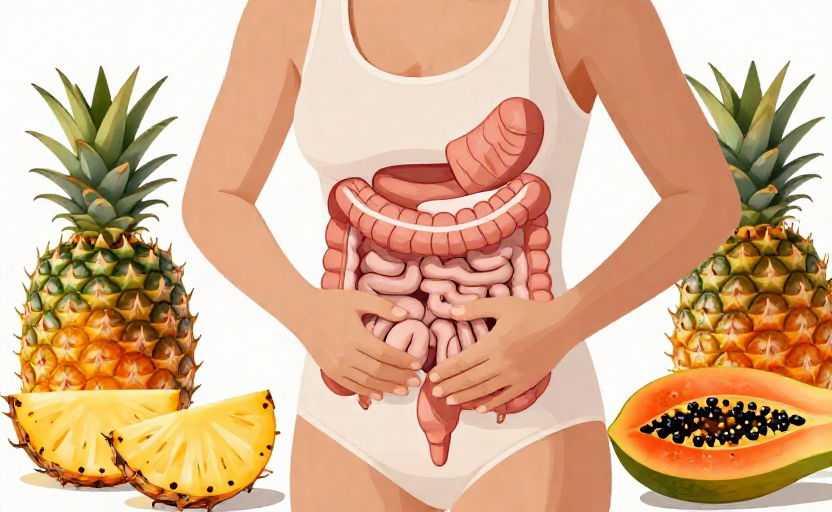
Digestion is one of those processes that hums along quietly when everything is working well. You eat, your body breaks down the food, you absorb nutrients, and you move on with your day. But when digestive enzyme production starts to lag, the body sends signals. These are not always dramatic—sometimes it is a subtle shift in how you feel after a meal, or a slow buildup of discomfort that you chalk up to getting older or eating too fast.
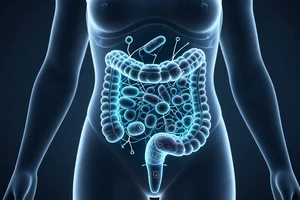
Digestive enzymes are produced primarily in the pancreas, stomach, and small intestine, and they help break down carbohydrates, proteins, and fats into molecules the body can absorb. Without enough of them, food lingers, ferments, or passes through too quickly. Here are six distinct signs that your enzyme levels may be running low, and what you can do about it.
You feel bloated and gassy after almost every meal
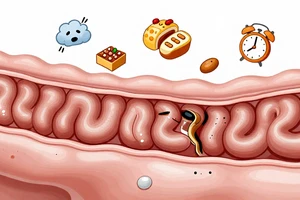
Bloating that sets in an hour or two after eating is one of the most common early clues. If proteins, fats, or carbs are not fully broken down, gut bacteria feast on the undigested particles, producing hydrogen, methane, or carbon dioxide in the process. The result is pressure, distension, and flatulence that makes your waistband feel tight and your energy dip.
This is different from the occasional bloated feeling after a large holiday meal. When it happens regularly, especially after balanced meals that are not particularly heavy, it points to a mismatch between enzyme supply and meal demands. Some people notice that high-fat meals cause the worst bloating, signaling that lipase (the fat-digesting enzyme) is in short supply.
Undigested food appears in your stool
What comes out reflects what the body was unable to process. Visible pieces of food—corn kernels, carrot bits, leafy greens, or seeds—in your stool suggest that enzymes are not doing their job. While a certain amount of insoluble fiber will always pass through, seeing recognizable chunks of food on a regular basis is a strong signal that the breakdown process is incomplete.
The medical term for this is steatorrhea when it involves fat, and it can also make stool appear greasy, pale, or foul-smelling. Fats that are not emulsified and broken down can slip through the digestive tract without being absorbed, which also means fewer fat-soluble vitamins (A, D, E, K) make it into your body.
You feel uncomfortably full for hours after eating
Feeling stuffed long after a meal has ended is not normal. When enzymes are lacking, the stomach empties more slowly, and the small intestine struggles to handle what arrives. This can create a sensation of heaviness or a knot in the upper abdomen that lasts three to five hours after eating, sometimes accompanied by acid reflux or burping.
This sensation is easy to mistake for overeating, but if you eat a reasonable portion and still feel as though a brick is sitting in your stomach, your digestive fire may need support. Some people describe it as food just sitting there, which is actually a reasonably accurate description of what happens when enzyme levels are too low to keep the digestive conveyor belt moving.
Unexplained fatigue after meals
Digestion requires energy, but it should not leave you wiped out. If you regularly need a nap after lunch or feel a fog settle over your brain after eating, it might be because your body is working overtime to compensate for weak enzyme activity. The pancreas, liver, and gallbladder all have to push harder, diverting energy away from other functions.
Postprandial fatigue can also have other causes, such as blood sugar swings or food sensitivities, but when it pairs with the other signs on this list, low enzyme output is worth considering. Some people notice they crash hardest after protein-heavy or fatty meals, both of which require robust enzyme production to digest efficiently.
Stool consistency is inconsistent or loose
Diarrhea or loose stools that occur regularly may signal that food is moving through the large intestine too quickly, often because it was not adequately broken down upstream. The body tries to flush out what it cannot process, leading to urgency, loose texture, and sometimes multiple bowel movements in a short window.
On the flip side, constipation can also be an issue because undigested food can slow the entire transit system. If your bowel habits alternate between loose and hard without a clear pattern, enzymes may not be keeping pace with the variety of foods you are eating. Consistency matters more than frequency; well-formed, easy-to-pass stools are a solid indicator of balanced digestion.
Nutrient deficiencies despite a good diet
This is the stealthiest sign. You eat plenty of vegetables, protein, and healthy fats, but blood tests show low levels of iron, B12, magnesium, or vitamin D. It is not what you eat; it is what you absorb. Digestive enzymes unlock nutrients from food, and if they are missing, even a nutrient-dense diet may leave you deficient.
Over time, low absorption can show up as brittle nails, hair thinning, anemia, or frequent illness. If you have been eating well and supplementing where needed yet still feel depleted, it is worth investigating whether your digestive enzymes are present and active. Your gut is the gatekeeper, and without enough enzymes, the gate stays half-closed.
What to consider next
These signs overlap with other conditions such as irritable bowel syndrome, small intestinal bacterial overgrowth, and pancreatic insufficiency, so it is worth discussing them with a healthcare provider if they persist. A simple stool test or a trial of digestive enzymes under medical guidance can clarify what is happening.
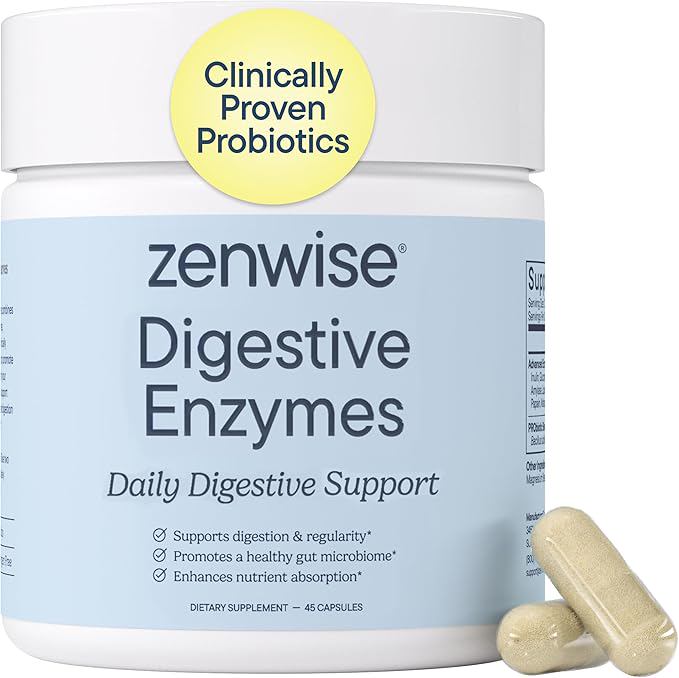
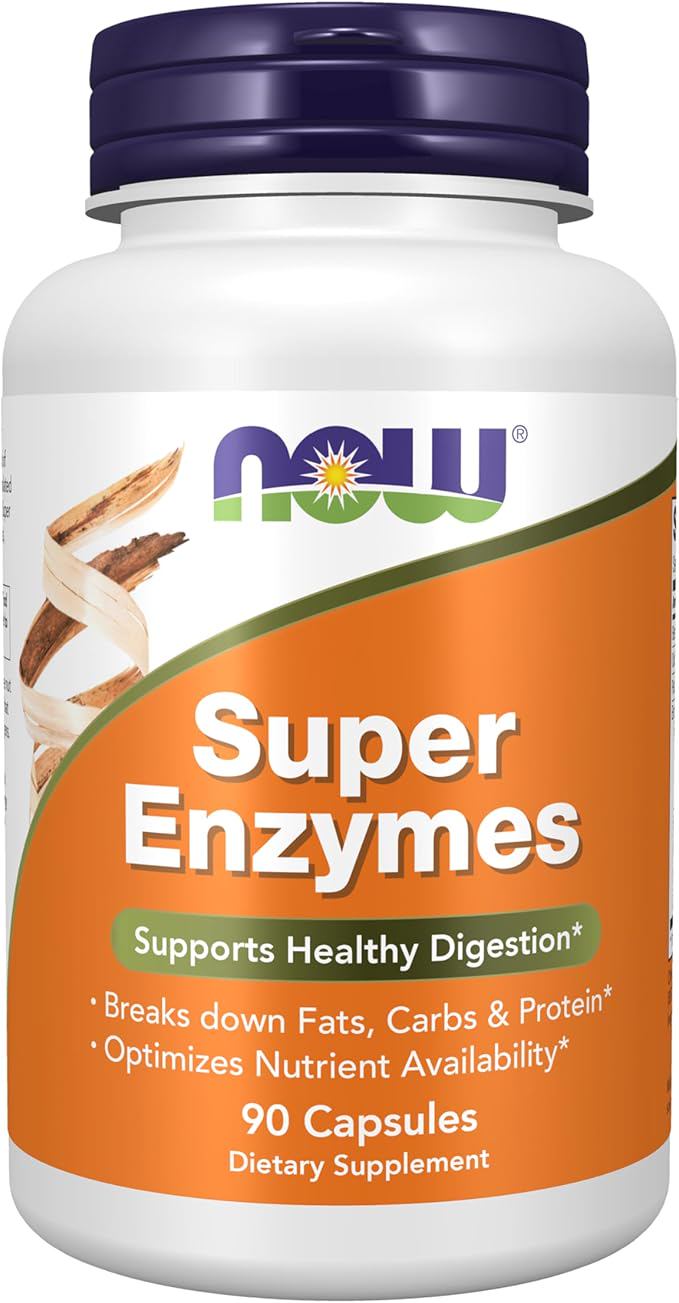
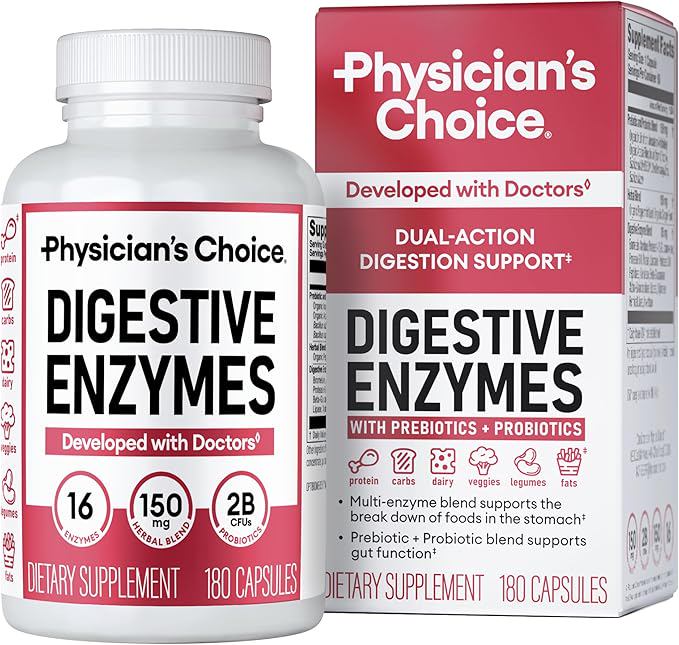
Supporting natural enzyme production can also involve simple adjustments: chewing food more thoroughly, eating mindfully without distractions, reducing chronic stress, and including naturally enzyme-rich foods such as pineapple (bromelain), papaya (papain), and fermented vegetables. For occasional meals or periods of high digestive demand, a broad-spectrum enzyme supplement taken with food may help bridge the gap until your body catches up.