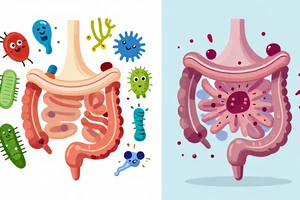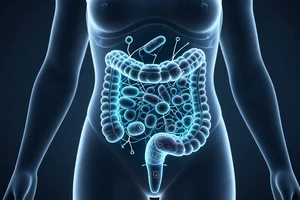

Your gut microbiome is a vast ecosystem of trillions of bacteria, fungi, and other microbes living in your digestive tract. When that ecosystem is rich and varied—high in microbial diversity—it tends to work in your favor, supporting digestion, immunity, and even mood regulation. When diversity is lower, your gut can send signals that something is off. These signals are often subtle at first, but they tend to cluster into recognizable patterns.
Below are six common symptoms that can indicate your gut microbiome diversity may need some attention. This is not a diagnostic checklist; rather, it is a way to tune into what your body may be telling you. If any of these feel familiar, a conversation with a healthcare provider and a look at your diet and lifestyle habits may be worthwhile.
1. You experience frequent or unpredictable digestive upset
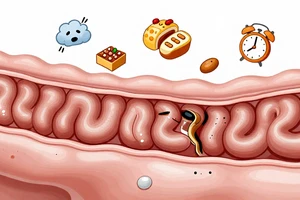
Occasional bloating or irregularity happens to everyone, but when it becomes a recurring pattern—persistent bloating after meals, gas that feels excessive or malodorous, or alternating between constipation and loose stools—it may point to a less resilient microbial community. A diverse microbiome helps break down a wide range of fibers and starches; when certain microbial populations are low, undigested food can ferment in the colon and cause gas and discomfort.
A quick gut check: If your digestion seems to change with every meal and feels like a guessing game, your gut's microbial variety may have narrowed.
2. You feel unusually tired, even after a full night's sleep
Fatigue that does not improve with rest is a complex symptom with many possible causes, but the gut-brain connection is a real player. Beneficial gut bacteria produce short-chain fatty acids and other metabolites that influence energy metabolism and neurotransmitter production (including serotonin and dopamine). Lower microbial diversity has been linked to disruptions in these pathways, contributing to a sense of low energy or mental fog.
When your gut microbiome is struggling, it can also affect how well you absorb nutrients from food, which in turn can sap your energy. If you feel persistently drained and have ruled out other causes like iron deficiency or sleep disorders, your gut diversity may need support.
3. You notice changes in your skin, like breakouts or rashes
The gut-skin axis is well established in research. A diverse gut microbiome helps regulate inflammation throughout the body. When that diversity declines, inflammatory signals can travel to the skin and show up as acne, eczema flare-ups, or unexplained rashes. This does not mean every skin issue originates in the gut, but if your skin tends to flare when your digestion is off or after dietary shifts, your gut's microbial balance could be a contributing factor.
For example, an overgrowth of certain bacteria or a lack of anti-inflammatory species can increase systemic inflammation, which often finds an exit route through the skin.
4. You get sick more often than people around you
About 70 to 80 percent of your immune tissue resides in your gut. A diverse microbiome helps train immune cells to distinguish between harmless substances and real threats. When microbial diversity is low, that training becomes less precise, which can make you more susceptible to colds, flu, and other common infections.
If you catch every virus that goes around and find it takes you longer to recover, your gut's microbial ecosystem may not be providing the immune support it should. Small studies have suggested that people with higher gut microbiome diversity mount more robust immune responses to vaccines and infections.
5. Your mood feels more reactive or low
Anxiety, irritability, and low mood are influenced by countless factors, but the gut microbiome plays a role in producing and regulating neurotransmitters like serotonin, GABA, and dopamine. In fact, an estimated 90 to 95 percent of the body's serotonin is made in the gut. When microbial diversity suffers, the production and signaling of these brain chemicals can be altered.
This does not mean gut diversity is the sole cause of mood disorders—it rarely is—but if your mood has become more reactive, anxious, or flat without an obvious emotional trigger, it is worth considering whether your gut is part of the picture. Some research has found that people with more diverse microbiomes report lower stress reactivity and better emotional regulation.
6. You have strong, persistent food cravings—especially for sugar
Your gut microbes can influence your food choices. Certain species thrive on sugar and simple carbohydrates, and when they are abundant, they may send signals that increase cravings for the foods that feed them. A less diverse gut microbiome may have a higher proportion of these craving-inducing microbes, creating a cycle where you eat more sweets, which further fuels those bacteria and crowds out other beneficial species.
A helpful reframe: Cravings are not a personal failing. They can be a signal that your gut's microbial balance is tilted and needs more variety to break the cycle.
What supports microbiome diversity?
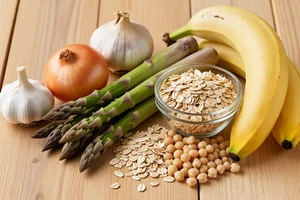
If any of these symptoms resonate, the good news is that the microbiome is responsive to changes you make daily. Increasing the variety of plant-based foods you eat—fibers, legumes, nuts, seeds, fruits, and vegetables—is one of the most effective ways to encourage microbial diversity. Fermented foods like yogurt, kefir, sauerkraut, and kimchi introduce beneficial live bacteria. Prioritizing sleep, managing stress, and limiting unnecessary antibiotic use also help preserve the diversity you already have.
Everyone's gut is unique, and small, consistent steps tend to yield better results than drastic changes. If symptoms are persistent or severe, always check with a healthcare provider to rule out underlying conditions.