
If you're active—whether you run, lift, cycle, or just move through a busy day—your gut is working hard behind the scenes. It's not just about digestion; a healthy gut helps you absorb nutrients, manage inflammation, and sustain steady energy. The foods that support your gut microbiome also tend to support muscle repair and recovery. Here are six gut-friendly foods that can help active people feel stronger and more energized.
Why gut health matters for active people
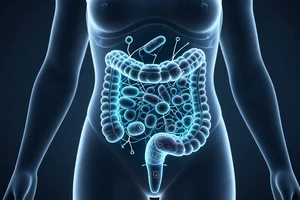
Your gut is home to trillions of bacteria that influence how you metabolize food, produce energy, and recover from exercise. When your gut microbiome is balanced, you're better able to extract fuel from meals, reduce exercise-induced inflammation, and maintain immune function. On the flip side, poor gut health can leave you feeling sluggish, bloated, or prone to illness. That's why choosing gut-friendly foods is a smart move for anyone who prioritizes performance and recovery.
1. Fermented foods: a natural probiotic boost
Fermented foods like yogurt, kefir, sauerkraut, kimchi, and miso are rich in live beneficial bacteria. These probiotics can help populate your gut with the right microbes, which may improve digestion and nutrient absorption. For active people, better absorption of iron, calcium, and B vitamins—key for energy metabolism—can directly support workout performance and recovery. Try a bowl of plain Greek yogurt with berries after a workout, or add a spoonful of sauerkraut to a lunch bowl. Start with small amounts if you're not used to fermented foods, and let your gut adjust.
2. Oats: a steady fuel source
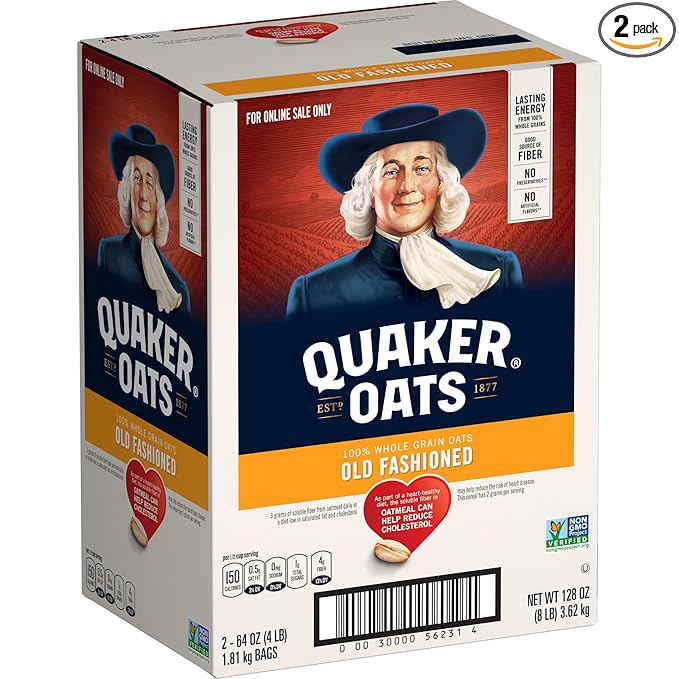
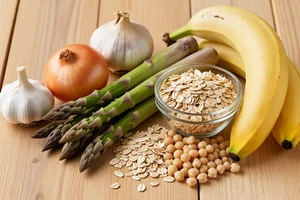
Oats are a top source of soluble fiber called beta-glucan, which acts as a prebiotic—feeding your good gut bacteria. A healthy gut microbiome thrives on fiber, and oats deliver it without causing blood sugar spikes. That means you get a slow, steady release of energy throughout your morning or before a workout. Oats also contain antioxidants that may help reduce exercise-related muscle soreness. A bowl of oatmeal with sliced banana and a sprinkle of flaxseeds makes a simple, gut-friendly pre- or post-exercise meal.
3. Leafy greens: fiber and phytonutrients
Spinach, kale, Swiss chard, and arugula are packed with fiber and unique plant compounds that gut bacteria love. The fiber in greens helps keep things moving, while the polyphenols act as fuel for beneficial microbes. For active people, leafy greens also deliver magnesium, which plays a role in muscle relaxation and recovery, and vitamin C, which supports immune health after intense training. Add a handful of spinach to a smoothie, a salad, or scrambled eggs for an easy nutrient boost.
4. Bananas: quick energy plus prebiotics
Bananas are a classic pre- or post-workout snack for good reason. They provide fast-digesting carbohydrates to replenish glycogen stores, and they contain potassium, which helps prevent muscle cramps. Less known is that bananas also contain resistant starch—especially when they're slightly green—which acts as a prebiotic, feeding your gut bacteria. As bananas ripen, the resistant starch turns into simple sugars, so ripeness matters if you want more prebiotic benefit. Pair a banana with a spoonful of nut butter for a balanced, gut-friendly mini meal.
5. Ginger: a natural anti-inflammatory
Ginger is well known for soothing digestive upset, but it also has anti-inflammatory properties that can benefit active people. Exercise creates inflammation in muscles and joints, and ginger can help modulate that response. It may also support gut motility, reducing the risk of bloating or discomfort during or after exercise. Sip fresh ginger tea, grate it into stir-fries, or blend a small knob into a smoothie with pineapple and mint.
6. Salmon: omega-3s for gut and muscle
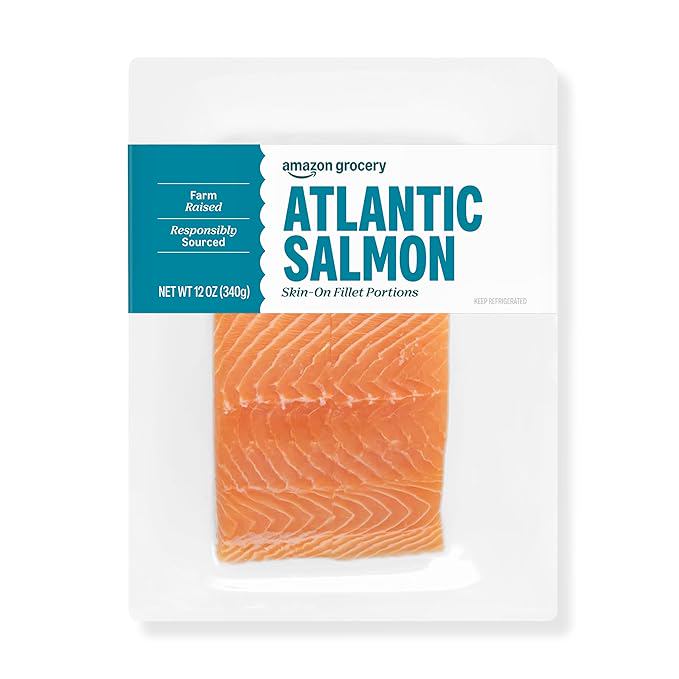
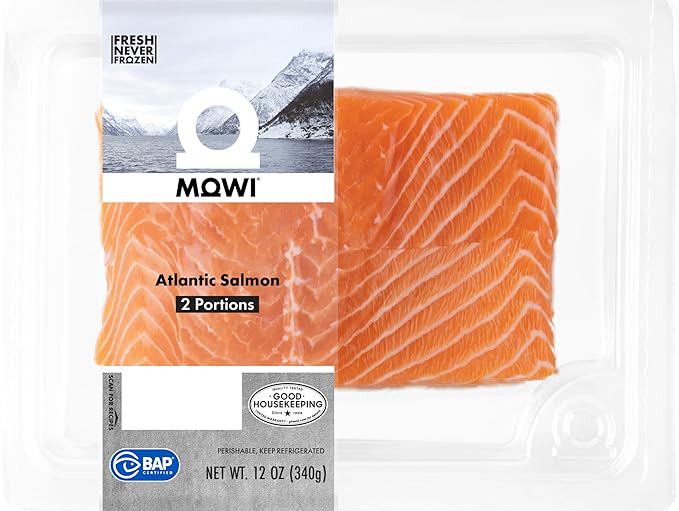
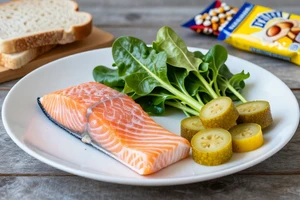
Fatty fish like salmon are rich in omega-3 fatty acids, which are powerful anti-inflammatory compounds. Chronic inflammation can damage the gut lining over time, so omega-3s help maintain gut integrity. For active people, this means better nutrient absorption and less exercise-induced inflammation. Salmon also provides high-quality protein to support muscle repair. Aim for a serving of wild salmon a couple of times per week. Pair it with roasted vegetables and a side of quinoa for a gut-friendly recovery dinner.
Putting it together: a gut-friendly day for energy and recovery
You don't need to overhaul your diet overnight. Start by including one or two of these foods each day. For example:
- Breakfast: Oatmeal with banana and a spoonful of yogurt
- Lunch: Spinach salad with a piece of grilled salmon
- Snack: A small handful of almonds and a piece of fresh ginger tea
- Dinner: Stir-fried veggies with chicken or tofu and a side of fermented kimchi
Over time, a diet rich in fiber, fermented foods, and anti-inflammatory ingredients can help you feel more energized, recover faster, and keep your gut working in your favor.
Frequently asked questions
Can I take probiotic supplements instead of eating fermented foods?
Probiotic supplements can be helpful, but whole food sources like yogurt and kimchi provide additional nutrients and a variety of bacterial strains that supplements may lack. For active people, it's usually best to get probiotics from food first, and consider a supplement if a healthcare provider recommends it for a specific need.
How much fiber do active people need each day?
General guidelines recommend around 25–30 grams of fiber per day for adults, but active individuals may need slightly more to support gut health and regularity. Focus on getting fiber from a mix of sources: oats, greens, bananas, beans, and nuts. Increase fiber gradually to avoid bloating.
Are there any gut-friendly foods I should avoid before a workout?
High-fiber and high-fat foods right before intense exercise can cause bloating or discomfort for some people. It's often better to eat a smaller meal with easily digestible carbs (like a banana or oatmeal) 1–2 hours before a workout, and save higher-fiber meals for after exercise or at other times of the day.
Can the foods listed here really help with muscle soreness?
Yes, some of these foods—like ginger, salmon, and leafy greens—have anti-inflammatory properties that may reduce exercise-induced inflammation and muscle soreness. While they won't eliminate soreness completely, including them regularly in your diet can support recovery and help you feel better between workouts.