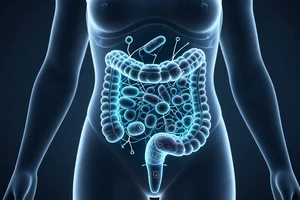

Morning meals set the tone for the day ahead — not just for your energy levels, but for the trillions of microbes living in your digestive tract. A growing body of research links a diverse gut microbiome to better mood regulation, reduced inflammation, and even improved cognitive function. The good news is that what you eat first thing can directly support this ecosystem. These six breakfast ideas are built around prebiotic fibers, probiotic ferments, and polyphenol-rich plant foods designed to nourish beneficial bacteria and help stabilize mood.
How Breakfast Affects Your Mood and Microbiome
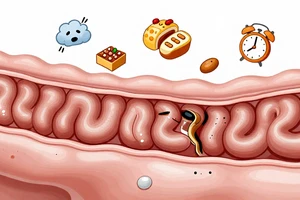
Your gut and brain communicate through the vagus nerve and via chemical messengers produced by microbes. When you feed your gut bacteria a variety of plant fibers and resistant starches, they produce short-chain fatty acids that support the intestinal lining and signal feelings of calm or alertness. Skipping breakfast or reaching for a high-sugar, low-fiber meal can starve those microbes, potentially leading to a less diverse microbiome and blood sugar swings that affect mood.
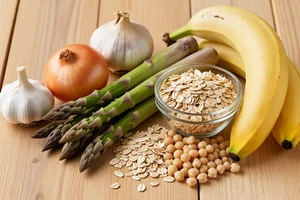
Aim to include at least one source of prebiotic fiber (like oats, bananas, or Jerusalem artichokes), a fermented food (such as yogurt, kefir, or miso), and a colorful plant ingredient in your morning meal. Here are six specific ways to do that.
1. Overnight Oats with Kiwi and Hemp Seeds
Oats provide beta-glucan, a soluble fiber that feeds beneficial Bifidobacteria. Kiwi is one of the few fruits that contains both soluble fiber and the enzyme actinidin, which may help with protein digestion. Hemp seeds add magnesium — a mineral that supports a calm nervous system.
Combine rolled oats, unsweetened oat milk, a tablespoon of chia seeds, and a pinch of cinnamon. Let it sit overnight. In the morning, top with sliced green kiwi and a sprinkle of hemp seeds. For probiotic benefits, stir in a spoonful of plain kefir just before eating.
Switch it up: Swap kiwi for sliced banana if you want a creamier texture and extra prebiotic inulin.
2. Lemony Miso Soup with Tofu and Wakame
A savory breakfast soup may sound unconventional, but miso — a fermented soybean paste — is a potent source of probiotics. The fermentation process also breaks down soy proteins, making nutrients easier to absorb. Seaweed like wakame provides iodine and prebiotic polysaccharides that gut bacteria can ferment.
Dissolve one tablespoon of white miso paste in hot water (not boiling, to preserve live cultures). Add cubed silken tofu, a handful of rehydrated wakame, and a squeeze of lemon. Garnish with thinly sliced scallions. This light, salty start is especially grounding if you tend to feel anxious in the morning.
3. Smashed Avocado and Sauerkraut on Sourdough
Whole-grain sourdough undergoes natural fermentation, which reduces phytates and makes minerals more bioavailable. Avocado delivers monounsaturated fats and a hefty dose of fiber (about 10 grams per avocado). Sauerkraut brings live lactic acid bacteria that can transiently colonize the gut.
Toast one slice of dark sourdough. Mash half an avocado with a pinch of salt and spread it on the toast. Top with a generous forkful of unpasteurized sauerkraut and a sprinkle of black pepper. The combination of fat, fiber, and fermented vegetables is satisfying and helps buffer cortisol levels.
4. Golden Milk Smoothie with Turmeric and Kefir
Golden milk gets its yellow hue from turmeric, which contains curcumin — a compound that supports a healthy inflammatory response in the gut. Black pepper dramatically increases curcumin absorption. Kefir is a fermented dairy drink loaded with diverse bacterial and yeast strains. When you blend it, you preserve the live cultures as long as you don't heat it.
Blend together one cup of plain kefir, half a frozen banana, a quarter teaspoon of turmeric powder, a pinch of black pepper, and a small knob of fresh ginger. Add a handful of spinach for extra fiber and folate. This breakfast is particularly helpful if you struggle with morning sluggishness.
5. Roasted Sweet Potato Rounds with Tahini and Pomegranate
Leftover roasted sweet potatoes are a hidden gem for gut health. When cooked and cooled, they form resistant starch — a type of fiber that resists digestion in the small intestine and ferments in the colon, feeding butyrate-producing bacteria. Tahini (sesame seed paste) provides polyphenols that act as prebiotics. Pomegranate seeds contain ellagitannins, which gut bacteria convert into urolithins — compounds linked to neuroprotective effects.
Slice a medium sweet potato into rounds, roast at 400°F until tender and caramelized (about 25 minutes). Let them cool slightly. Drizzle with tahini, top with pomegranate arils, and finish with a small sprinkle of flaky salt. This sweet-savory plate works well at room temperature, making it a good make-ahead option.
6. Chia and Pumpkin Seed Pudding with Berry Compote
Chia seeds are rich in soluble fiber that forms a gel-like consistency in the gut, slowing glucose absorption and feeding beneficial bacteria. Pumpkin seeds provide zinc and tryptophan — an amino acid that supports serotonin production. Berries are low in sugar but high in anthocyanins, which encourage the growth of Akkermansia, a bacterial species linked to a healthy gut barrier.
Mix three tablespoons of chia seeds with one cup of unsweetened almond milk and a splash of vanilla. Let it sit for at least four hours or overnight. For the compote, gently heat half a cup of frozen mixed berries until they release their juices, then cool slightly. Layer the pudding with the compote and top with a tablespoon of pumpkin seeds. This breakfast is portable and stores well for busy mornings.
Building a mood-friendly breakfast doesn't require expensive supplements or complicated recipes. Focus on variety — rotate different fruits, seeds, fermented foods, and whole grains throughout the week. The more diverse your plant intake, the more diverse your microbiome becomes, and that diversity is consistently linked to better mental health outcomes.