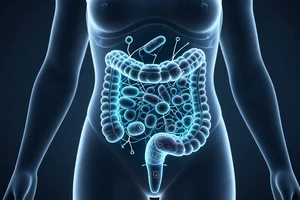

Living with irritable bowel syndrome (IBS) often feels like navigating a minefield at every meal. You eat something that seems perfectly harmless, and within an hour you're doubled over with cramps or rushing to the bathroom. The unpredictability is exhausting.
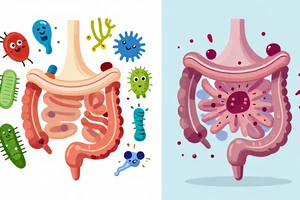
IBS affects the way your gut moves and how it senses pain. While triggers vary from person to person, certain foods are notorious for setting off symptoms like bloating, diarrhea, constipation, and abdominal pain. The good news is that identifying these common culprits and knowing what to eat instead can give you back a sense of control. Below are six frequent triggers and practical, gut-friendly swaps that actually taste good.
1. High-FODMAP Fruits: Apples, Pears, and Stone Fruits
Fruits are supposed to be healthy, but for many people with IBS, apples and pears are a one-way ticket to bloating. These fruits contain high levels of fructose and polyols, which are types of fermentable carbohydrates that the small intestine absorbs poorly. When they reach the colon, bacteria feast on them, producing gas and drawing in water. Peaches, plums, and mangoes can cause similar trouble.
What to eat instead
Swap apples and pears for bananas that are still slightly green, blueberries, strawberries, or kiwi. These fruits are low in FODMAPs and much gentler on the gut. A small handful of blueberries in your morning oatmeal or a ripe banana as an afternoon snack can satisfy your sweet tooth without the discomfort.
2. Onions and Garlic: The Hidden Offenders
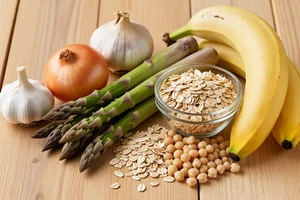
Onions and garlic are in almost everything — salad dressings, soups, pasta sauces, marinades. They are packed with fructans, a type of fiber that the gut cannot break down easily. For someone with IBS, even a small amount can trigger gas, pain, and diarrhea. It is one of the most common triggers, yet one of the hardest to avoid because it sneaks into so many prepared foods.
What to eat instead
Use the green tops of scallions (green onions), which are low in FODMAPs, to add flavor. Chives and asafoetida powder (a spice used in Indian cooking) can mimic the savory depth of garlic and onions without the side effects. Garlic-infused olive oil is another brilliant workaround — the FODMAP compounds are water-soluble, not oil-soluble, so the oil carries only the flavor.
3. Wheat and Rye Products
Bread, pasta, cereal, crackers — wheat and rye are loaded with fructans and also contain gluten. While gluten itself may not be the problem for most people with IBS (unless you have celiac disease), the fructans are. They ferment rapidly in the gut, causing distension and gas.
What to eat instead
Look for sourdough spelt bread (the traditional fermentation process breaks down many of the fructans). Rice (brown or white), quinoa, oats, and corn tortillas are naturally low-FODMAP alternatives. A bowl of rice with stir-fried vegetables or a quinoa salad for lunch can avoid the bloating that comes with a wheat-based sandwich.
Quick tip: Always check labels on gluten-free products — some are made with chickpea or lentil flour, which can be high in FODMAPs and cause just as many issues as wheat.
4. Dairy Milk, Ice Cream, and Soft Cheeses
Lactose is the sugar naturally present in milk, and many adults — especially those of East Asian, African, and Native American descent — produce less lactase, the enzyme needed to digest it. In IBS, the gut is already sensitive, and undigested lactose pulls water into the bowel and gets fermented by bacteria. This often leads to urgent diarrhea and cramping within 30 minutes to two hours of eating.
What to eat instead
Lactose-free milk and hard, aged cheeses like cheddar, Parmesan, and Swiss contain very little lactose and are usually well-tolerated. Almond milk and oat milk are excellent dairy-free options for coffee and cereal. If you love yogurt, Greek yogurt and skyr have less lactose than regular yogurt, and many people with IBS can tolerate a small serving.
5. Beans, Lentils, and Chickpeas
Legumes are nutritional powerhouses, packed with protein and fiber. They are also packed with galacto-oligosaccharides (GOS), a type of FODMAP that causes massive gas production in the gut. For a sensitive bowel, even half a cup of chickpeas can produce loud gurgling and painful bloating that lasts for hours.
What to eat instead
Canned and rinsed lentils or chickpeas have fewer FODMAPs than dried ones, and you can eat a small serving (about 1/4 cup) without issues. Tofu (firm or extra-firm), tempeh, and edamame are low-FODMAP protein alternatives that work well in salads, stir-fries, and bowls. For swapping directly, try tofu nuggets instead of falafel, or quinoa instead of lentil soup.
6. Coffee and High-Caffeine Drinks
For many people, coffee is non-negotiable, but it is also a potent gut stimulant. Caffeine speeds up the muscles in the digestive tract, and for people with IBS, it can push food through too quickly, causing urgency and diarrhea. Coffee also contains acids that can irritate the stomach lining and stimulate the release of bile, which can trigger loose stools.
What to eat instead
If you cannot give up your morning cup, try a small serving of low-acid coffee or cold brew, which is significantly less acidic. Switching to matcha or caffeine-free herbal teas like peppermint or ginger tea can soothe the gut instead of jolting it. Peppermint tea, in particular, has been shown in some studies to reduce IBS cramping. If you must have coffee, keep it to one cup and avoid drinking it on an empty stomach.
No two people with IBS are exactly alike, and these swaps may work for some and not others. The key is to try one change at a time for a few days and see how your body responds. Working with a registered dietitian who specializes in the low-FODMAP diet can help you identify your unique triggers without cutting out more foods than necessary. Your gut does not have to run your life — sometimes, it just needs a different menu.