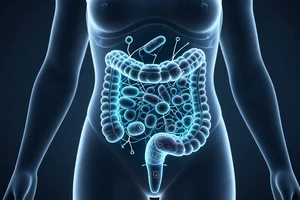

You're doing everything right. You're clocking your workouts, fueling with whole foods, and still, something feels off. Maybe it's the bloating that kicks in after a 'healthy' breakfast. The fatigue that no amount of sleep seems to fix. Or the random joint ache that appears and disappears for no reason.
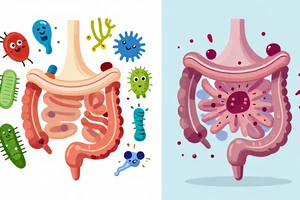
If this sounds familiar, it might be time to shift your mindset from how do I push harder to what do I need to repair. Specifically, what your gut lining needs. Intestinal permeability—often called 'leaky gut'—occurs when the tight junctions in your intestinal wall loosen. Instead of acting as a selective filter, the lining starts letting larger particles through, triggering immune responses across your body.
Before you double down on more training, here are five symptoms signaling that your gut lining needs attention—not another brutal workout.
1. Post-Meal Bloating That Doesn't Match What You Ate
Everyone gets a little gas after a bean salad. But if you're bloated after a seemingly innocuous meal—a bowl of oatmeal, a piece of chicken, some vegetables—that's a red flag. When the gut lining is compromised, the body struggles to properly digest and absorb nutrients. Undigested food particles interact with gut bacteria in ways that produce excessive gas, pushing against the abdominal wall.
What's happening? Your enterocytes (the cells lining your gut) aren't functioning optimally. They need time and resources to regenerate, not more cortisol from hard training. If your waistband feels tight most evenings, your gut is asking for a repair phase.
2. Unexplained Fatigue or Brain Fog After Eating
This isn't the 3 p.m. slump you can fix with a walk. This is a heavy, cognitive haze that descends 30-60 minutes after a meal. Your brain and gut are connected through the vagus nerve and a bidirectional communication highway. When the intestinal barrier is leaky, inflammatory compounds like lipopolysaccharides (LPS) escape into the bloodstream. These trigger low-grade systemic inflammation that directly impacts brain function.
You might feel like your thoughts are wading through mud, or that your energy crashes hard after lunch. More training? That will spike cortisol, which further degrades tight junction integrity. What your brain needs is a calm gut environment with less inflammation.
Think of repair as the maintenance interval your gut has been signaling for—ignoring it only makes the downtime longer later.
3. Food Sensitivities That Keep Expanding
You used to tolerate dairy just fine. Then gluten started bothering you. Now maybe eggs or certain vegetables seem to cause reactions. This pattern of expanding food sensitivities is a classic sign that the gut barrier is compromised. When large food particles pass through a leaky lining, the immune system tags them as threats and creates antibodies. The next time you eat those same foods, your body mounts an inflammatory response.
It's a progressive issue. The more foods you react to, the more restricted your diet becomes, and the harder it is to get the nutrients needed for gut repair. At this stage, the answer isn't an elimination diet (although that can help temporarily). The deeper solution is healing the lining so the immune system stops overreacting to normal food particles.
4. Joint Pain or Stiffness Without an Obvious Injury
Waking up with stiff fingers or achy knees when you haven't done anything to tweak them? That's inflammation talking. When LPS and other bacterial fragments cross into circulation, they don't just affect your brain. They deposit in joints and tissues, creating inflammatory cascades.
This is where the 'train through it' mentality backfires. Pushing through systemic joint pain with exercise that your body perceives as additional stress can worsen the inflammatory load. The joint discomfort may actually be a downstream effect of a gut lining that's failing to keep foreign substances out of your bloodstream.
If your joints ache more than your muscles do after a workout, it's worth looking at your gut instead of your form.
5. Histamine Intolerance Symptoms
Histamine is a natural compound in many foods—aged cheese, fermented foods, cured meats, avocados, and wine. Normally, your gut produces enzymes (DAO and HNMT) that break down histamine from food. But when the villi in your small intestine are damaged from chronic inflammation or a compromised lining, those enzyme levels drop.
The result? After eating histamine-rich foods, you might get a runny nose, hives, flushing, headaches, heart palpitations, or anxiety. Many people mistake these for allergies. In reality, it's a gut repair issue. Your enterocytes, which produce DAO, need to be healthy to process histamine. More training won't fix this—only targeted gut lining support and rest will allow those cells to regenerate.
How to Interpret These Signals
None of these symptoms alone proves you have intestinal permeability. But when you cluster two, three, or more together—especially in the context of consistent training and a clean diet—the pattern is hard to ignore. Your body isn't broken. It's asking for a different kind of work: rest, sleep, stress management, and nutrients that support the gut lining's structural integrity.
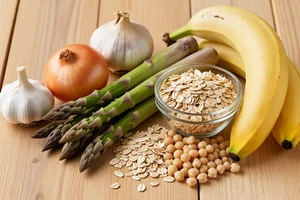
Consider treating the next two to four weeks as a deliberate repair phase. That means reducing training intensity (not necessarily stopping movement entirely but keeping heart rate low), prioritizing seven to nine hours of quality sleep, and eating a whole-food diet low in processed irritants.
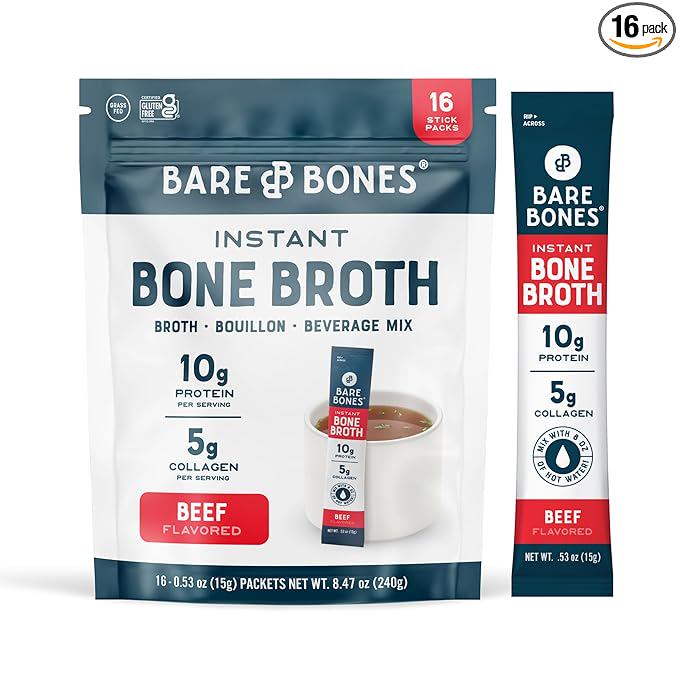
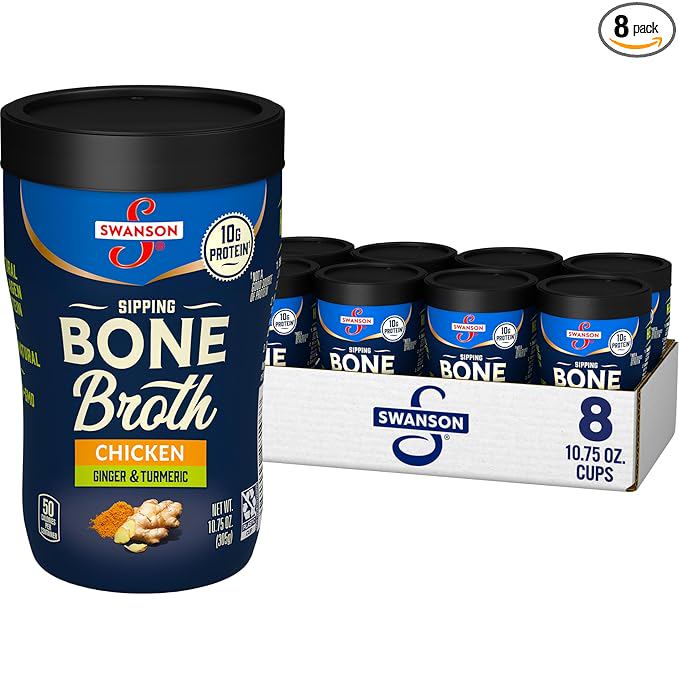
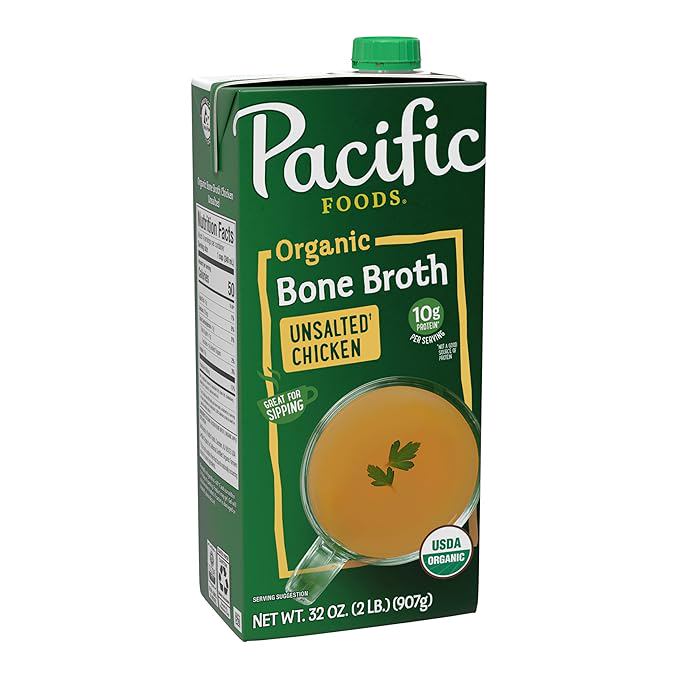
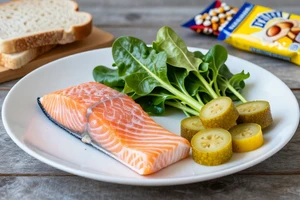
Specific nutrients that help tight junction function include L-glutamine (an amino acid that fuels enterocytes), zinc carnosine, bone broth collagen, vitamin D, and omega-3 fatty acids from fish or algae. These aren't prescriptions—they're building blocks the body naturally uses to maintain the intestinal barrier. If symptoms persist, work with a healthcare provider who understands functional gut assessment.
When the Gut Heals, Everything Shifts
People who repair their gut lining often notice improvements far beyond digestion. Better sleep quality, clearer thinking, fewer aches, more stable energy, and an ability to reintroduce previously problematic foods. The body is resilient. Given the right conditions—rest, real food, and targeted support—the intestinal lining can regenerate in a matter of weeks.
So if you're feeling stuck, bloated, foggy, and sore despite doing 'everything right,' pause the grind. Listen. Your gut might be telling you that repair, not more reps, is the real performance upgrade you need.