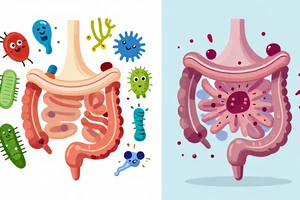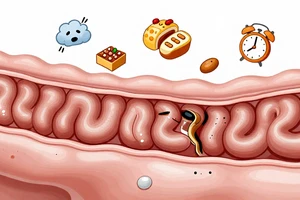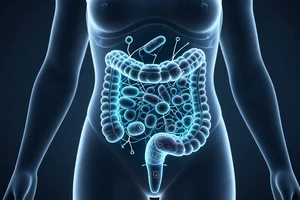

As we age, the delicate ecosystem inside our digestive tract undergoes natural shifts. The community of bacteria, fungi, and other microbes that once worked in harmony can become less diverse and more vulnerable to disruption. This state of microbial imbalance—often called dysbiosis—doesn't always announce itself with obvious digestive pain. In older adults, the warning signs can be subtle, easy to dismiss as just another part of getting older. Knowing which symptoms truly signal a gut in trouble is the first step toward protecting your overall health.
The gut-brain connection, the immune system, and even your energy levels are all influenced by the trillions of microorganisms living in your colon. When that balance tips, the effects can travel far beyond your stomach. Here are five specific symptoms that older adults should pay close attention to, as they may point to an underlying gut imbalance.
Unexplained Fatigue That Lingers
Feeling tired after a poor night's sleep is normal. But a persistent, bone-deep fatigue that doesn't lift with rest could be a sign that your gut is struggling. A healthy gut microbiome is responsible for producing and regulating several neurotransmitters and nutrients that influence energy, including serotonin and B vitamins. When the microbial community is out of balance, the production of these compounds can drop off.
This type of fatigue often feels different from ordinary tiredness. It may come with brain fog, difficulty concentrating, or a heavy feeling in your limbs. Many older adults attribute this to aging or a busy schedule, but it's worth considering whether your gut is the root cause. If you're eating well and sleeping enough yet still feel drained, an imbalanced microbiome could be stealing your energy.
Chronic fatigue in older adults is often dismissed as normal aging, but it can be one of the earliest clues that the gut needs support.
Unexpected Weight Changes Without Diet Changes
Your weight is not just a matter of calories in and calories out. The types of bacteria living in your gut play a significant role in how you extract energy from food, store fat, and respond to hunger hormones. When dysbiosis sets in, some people experience unexplained weight loss because their gut is no longer absorbing nutrients efficiently. Others gain weight because certain bacterial strains are extracting more calories from the same meals or promoting insulin resistance.
For an older adult, any unintentional weight shift of more than five pounds in a month deserves attention. Weight loss can lead to sarcopenia (muscle loss) and frailty, while weight gain increases the risk of metabolic conditions. If your eating and activity habits haven't changed but your body composition has, an imbalanced gut may be driving the change.
Bloating, Gas, and Altered Bowel Habits
This symptom cluster is the most direct signal from your digestive tract. Occasional bloating after a large meal is one thing, but regular discomfort that distends your abdomen, accompanied by excessive gas or a change in stool frequency and consistency, points to fermentation issues in the gut. An overgrowth of certain bacteria can produce excess hydrogen, methane, or hydrogen sulfide gas, leading to that uncomfortable pressure.
Some older adults experience a shift toward chronic constipation, while others develop loose stools or urgency. Both ends of the spectrum can be signs that the microbial population is not functioning optimally. Pay attention to patterns: if your bowel movements have changed from your lifelong norm and stayed that way for more than a few weeks, it's worth investigating the health of your gut flora.
Key patterns to recognize
- Chronic constipation with hard, pellet-like stools
- Loose stools or diarrhea without a clear dietary trigger
- Alternating between constipation and loose stools
- Feeling of incomplete evacuation after a bowel movement
Joint Pain and Stiffness That Wanders
Gut health and joint health are more connected than many people realize. The intestinal lining acts as a selective barrier, allowing nutrients through while keeping larger particles and toxins out. When the gut is imbalanced, the integrity of this barrier can weaken and become more permeable, a phenomenon commonly known as leaky gut. Partially digested food particles and bacterial toxins can enter the bloodstream, where they trigger systemic inflammation.
This inflammatory response often lands in the joints, causing pain, swelling, and stiffness that may move from one joint to another. Unlike osteoarthritis, which typically affects the same joints consistently, gut-driven joint pain can feel migratory and unpredictable. If you have nagging joint discomfort that doesn't respond to typical measures and is accompanied by any digestive symptoms, your gut may be fueling the fire.
Mood Changes and Increased Irritability
The gut and brain communicate constantly through the vagus nerve, the immune system, and chemical messengers. An estimated 90% of the body's serotonin is produced in the gut. When the microbial community is disrupted, this production line can falter, directly affecting mood regulation. Older adults may notice they feel more anxious, irritable, or down than usual, without a clear psychological trigger.
This symptom is particularly easy to misinterpret as a normal part of aging or a reaction to life changes. But mood changes that coincide with digestive symptoms, fatigue, or weight shifts form a pattern that strongly suggests a gut imbalance. The connection is so strong that researchers often refer to the gut as the second brain, and keeping it healthy is becoming a recognized strategy for supporting mental well-being in later years.
Your gut doesn't just digest food—it helps digest your emotions too. When it's off balance, your mood often follows.
Recognizing these five symptoms is not about self-diagnosis. It is about knowing when to bring a concern to your healthcare provider and having the right language to describe what you are experiencing. Gut health is not a fixed state. With targeted dietary changes, stress management, and sometimes professional guidance, the microbiome can be restored to a healthier balance. For older adults, paying attention to these signals early can make a significant difference in maintaining vitality, independence, and quality of life.
If you or an older family member are noticing any combination of these symptoms—especially if they have persisted for several weeks—consider discussing gut health during your next medical visit. A simple conversation could be the first step toward feeling better from the inside out.