
When you think about improving your gut health, the first thing that comes to mind is often a pill—a probiotic capsule or a powdered supplement you stir into water. But ask any dietitian what really drives a resilient, diverse microbiome, and they will point you to your grocery cart rather than the supplement aisle. The bacteria living in your digestive tract need more than just a daily dose of probiotic strains; they need a steady stream of prebiotic fibers, polyphenols, and fermented compounds found in whole foods. Eating for your gut is not about a single magic ingredient—it is about variety, consistency, and the synergy that happens when different foods hit your colon.
Below, we look at five foods that dietitians consistently name as workhorses for boosting microbial diversity. Each one brings something different to the table: some feed friendly bugs directly, others help them thrive by reducing inflammation, and a few deliver live cultures that temporarily bolster your gut's ecosystem. The goal here is not a restrictive protocol but a simple, sustainable way to shift your daily choices so your microbiome gets the varied fuel it needs.
What does it mean to feed your microbiome?
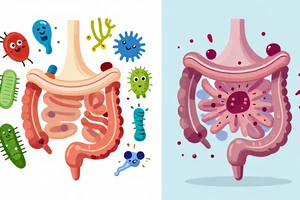
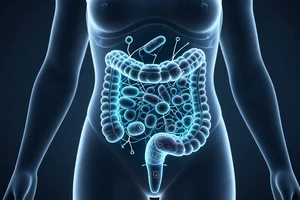
Before diving into the specific foods, it helps to understand what "diversity" actually refers to when dietitians talk about it. A diverse microbiome contains many different species of bacteria. That variety matters because each species tends to break down different types of fiber and produces different byproducts—such as short-chain fatty acids like butyrate. Those byproducts support your intestinal lining, reduce systemic inflammation, and even influence signaling pathways between your gut and brain.
If your diet is narrow—heavy on processed foods, low on plant fiber—you end up with a less diverse microbial community. That is where the dietitian picks come in. They are not exotic superfoods; they are accessible ingredients that pack a high ratio of fiber or polyphenols per serving.
1. Jerusalem artichokes (sunchokes)
Jerusalem artichokes might look like knobby ginger roots, but their nutritional profile is far more interesting. They are one of the richest food sources of inulin, a type of soluble fiber that acts as a powerful prebiotic. Inulin travels through the small intestine undigested and reaches the colon intact, where beneficial bacteria such as species of Bifidobacterium feast on it. Several clinical studies have shown that regular inulin intake increases Bifidobacterium abundance, which is associated with better gut barrier function and fewer gastrointestinal symptoms.
Dietitians like Jerusalem artichokes because they are versatile. You can roast them like potatoes, slice them raw into salads for a crunch similar to water chestnuts, or puree them into soups. Start with small portions if you are not used to high-fiber foods, because the fermentation can also cause gas and bloating if you increase your intake too quickly.
2. Kimchi and other fermented vegetables
When we talk about probiotic foods, yogurt usually steals the spotlight. But fermented vegetables—kimchi, sauerkraut, fermented pickles (not the vinegar-pickled kind)—offer something different: live lactic acid bacteria along with the fiber of the vegetables themselves. That combination means you are getting both the microbial passengers and the prebiotic food for them in one bite.
Quick tip: Look for unpasteurized, refrigerated sauerkraut or kimchi in the cold section of the grocery store. Pasteurization kills the live cultures that provide the probiotic benefit.
Dietitians often recommend adding a small side of kimchi to a meal rather than eating it by the bowlful. A few tablespoons offer live bacteria, and the polyphenols from the cabbage and spices support the growth of beneficial strains already living in your gut. Over time, this regular exposure to live cultures can contribute to a richer bacterial community.
3. Oats (intact groats or steel-cut)
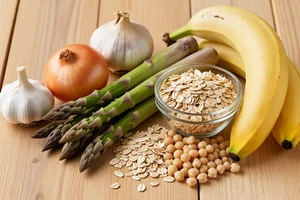
Oats are not just a breakfast convenience food. The key component that makes oats a microbiome booster is beta-glucan, a soluble fiber that forms a gel in the digestive tract. That gel slows down digestion and, more importantly, feeds gut bacteria that produce butyrate. Butyrate is a short-chain fatty acid that appears to strengthen the intestinal lining, reduce inflammation, and support metabolic health.
Not all oat products are equal. Instant oats that cook in one minute have been processed into smaller flakes, which means your body digests them more quickly and the beta-glucan has less chance to reach the colon intact. Dietitians prefer steel-cut oats or whole oat groats because the larger particle size keeps more of the fiber structure intact. You can batch-cook them for the week and reheat portions.
4. Dark leafy greens (especially Swiss chard and collard greens)
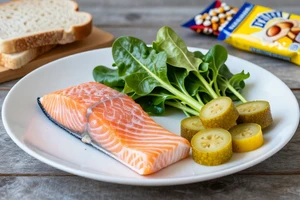
Most people know that greens are good for vitamins, but their role in gut health often goes underappreciated. Dark leafy greens contain a specific type of sulfur-containing sugar called sulfoquinovose. This compound serves as a selective fuel for beneficial gut bacteria like Lactobacillus and Bifidobacterium while being difficult for harmful bacteria to use. That selectivity is exactly what you want: you feed the good guys without promoting the growth of pathogens.
Swiss chard and collard greens are especially interesting because they also provide considerable amounts of fiber per gram. In practical terms, you do not need to eat huge bowls of kale to see a benefit. A cup of cooked collards or Swiss chard a few times per week provides both folate and this unique sugar fuel for your microbiome. Sauté them in olive oil with garlic to make them more palatable and to add even more polyphenols from the allium compounds.
5. Beans and lentils (multiple colors matter)
Legumes are perhaps the most underrated food for gut health. They deliver a double punch: resistant starch that escapes digestion in the small intestine and a blend of soluble and insoluble fibers. The resistant starch in lentils and beans, particularly when they are cooled after cooking (think lentil salad), ferments in the colon and promotes the growth of bacteria associated with lower body weight and better metabolic markers.
Dietitians recommend eating a variety of legume colors—black beans, chickpeas, red lentils, green lentils—because the different pigments contain different polyphenols. Those polyphenols act as prebiotics and also have mild antimicrobial effects against certain undesirable bacteria. Aim for a half-cup serving of legumes most days. Canned beans work fine; just rinse them well to reduce sodium content.
Building variety into your week
It is tempting to focus on one or two of these foods and eat them every day, but microbiome diversity itself demands that you eat a wide range of plant fibers across the week. A simple way to think about it: aim for at least 30 different plant foods weekly. That includes vegetables, fruits, legumes, grains, nuts, seeds, herbs, and spices. The five foods above can anchor that variety, but they work best when they are part of a bigger pattern that includes other sources of fiber.
If you want to start today, try adding a handful of kimchi to your lunch plate, swapping instant oats for steel-cut, or tossing a handful of cooked lentils into your evening salad. Each small shift is a direct signal to your gut bacteria—feed them well, and they will feed you back in ways that extend far beyond digestion.