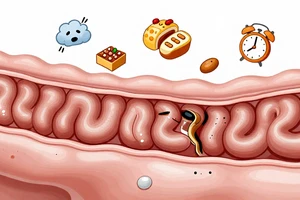
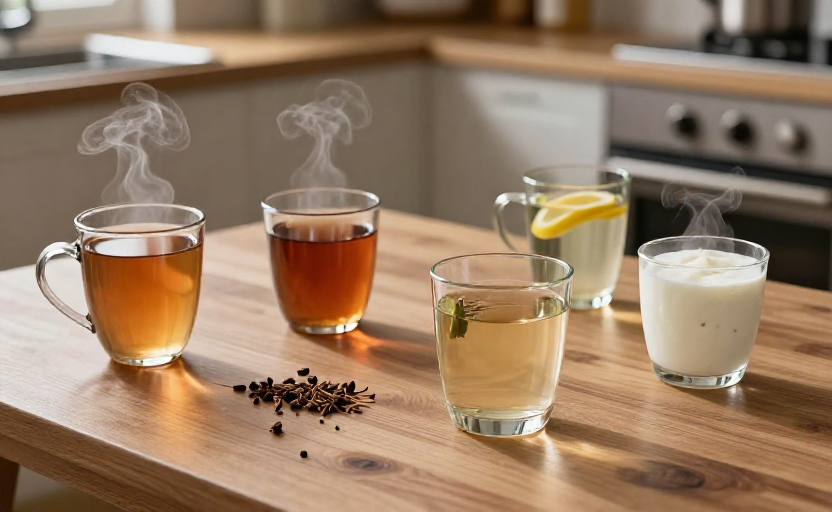
That tight, uncomfortable feeling after a meal is something most of us know all too well. While occasional bloating is normal, finding relief doesn't always mean reaching for a pill or waiting it out. The right beverage can actually support your digestive system in breaking down food, moving gas along, and calming inflammation.
Here are five drinks that go beyond simple hydration—they actively help your gut process food more smoothly, reducing that heavy, distended sensation.
1. Peppermint Tea: Nature’s Antispasmodic
Peppermint tea is one of the most studied herbal remedies for digestive discomfort. The menthol in peppermint leaves works as a natural antispasmodic, meaning it helps relax the smooth muscles of your intestinal tract. When those muscles unclench, trapped gas can move more freely, and cramping often subsides.
A cup of warm peppermint tea after a rich or heavy meal can provide noticeable relief within 30 minutes. It’s caffeine-free, so it won’t interfere with sleep if you enjoy it at dinner, and it adds hydration without any sugar or artificial additives.
Avoid peppermint if you have severe GERD or a hiatal hernia—it can sometimes relax the lower esophageal sphincter too much, worsening acid reflux.
2. Ginger Tea or Ginger Infusion
Ginger is a well-documented digestive aid, backed by centuries of use and modern research. Compounds called gingerols and shogaols speed up gastric emptying—the rate at which your stomach moves food into the small intestine. When digestion stalls, bloating builds up; ginger keeps things moving.
To make a potent ginger infusion, slice about one inch of fresh ginger root and steep it in hot water for 5–7 minutes. You can add a squeeze of lemon or a small drizzle of honey, but avoid too much sweetener, which can feed gas-producing bacteria in the gut. Sipping this about 20 minutes after eating can help prevent that overstuffed feeling.
For those who prefer cold drinks, a sugar-free ginger kombucha offers similar benefits with added probiotics—but check labels to avoid high sugar content.
3. Fennel Seed Tea
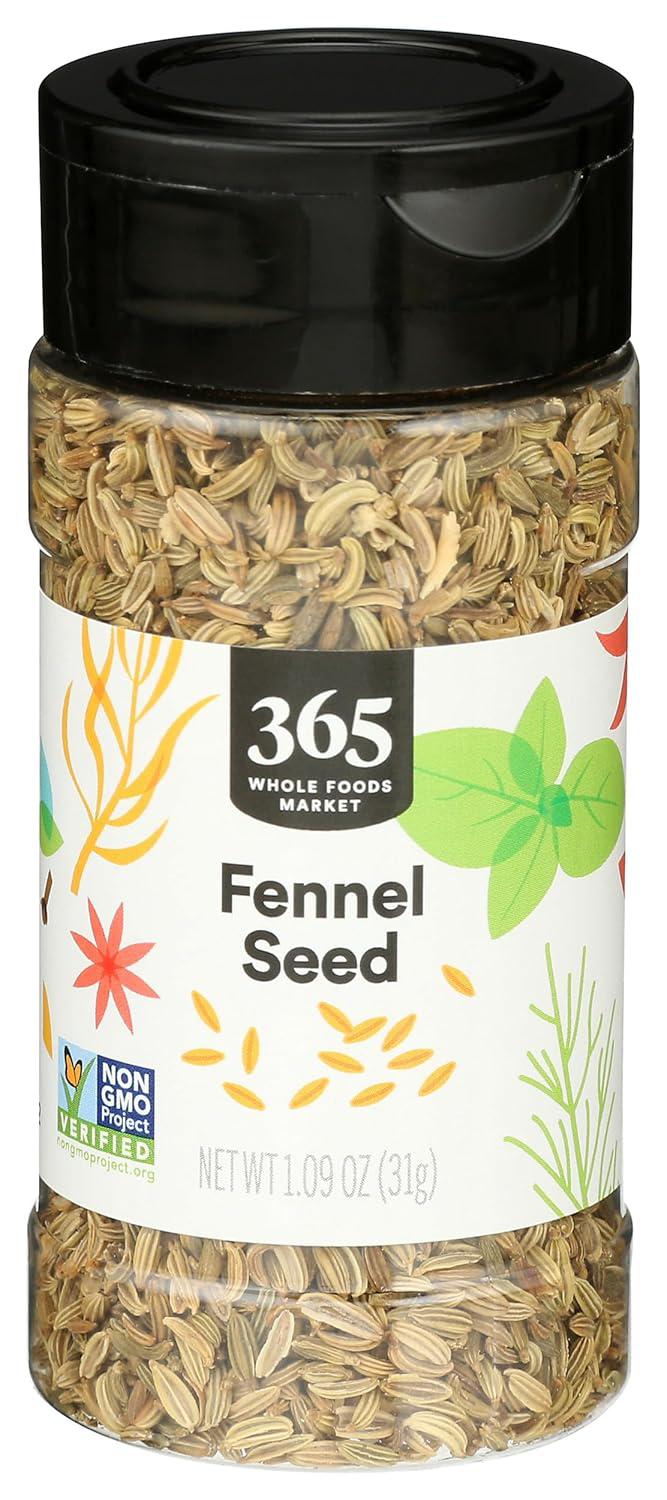
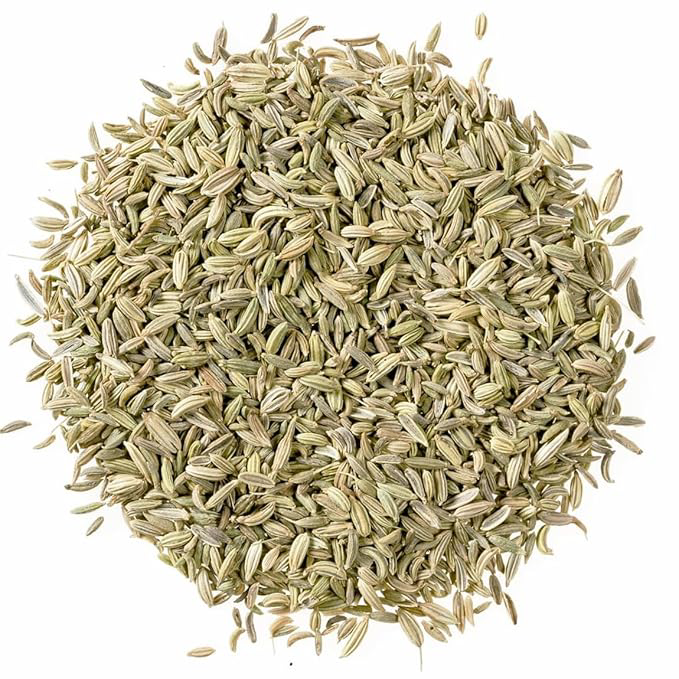
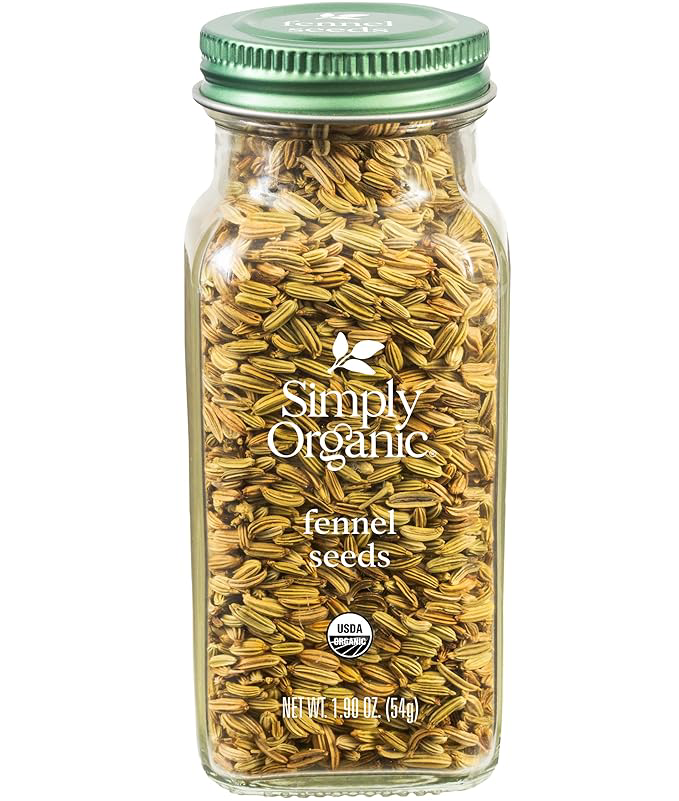
Fennel has a long reputation as a carminative—a substance that prevents gas formation and helps expel existing gas. The essential oils in fennel seeds, particularly anethole, fenchone, and estragole, relax the intestinal muscles and reduce inflammation in the gut lining.
Crush one teaspoon of fennel seeds and steep them in boiling water for 8–10 minutes. The mild, licorice-like flavor is naturally sweet, so no added sugar is needed. Drinking fennel tea after meals is a common practice in parts of India and the Middle East precisely because it settles the stomach, reduces belching, and relieves that distended feeling.
Fennel is generally safe for most people, but those with allergies to celery, carrot, or mugwort may react similarly to fennel.
4. Warm Lemon Water
This simple drink is more than just a morning ritual. Warm lemon water—made with the juice of half a lemon in about 8 ounces of warm (not boiling) water—can stimulate bile production. Bile is critical for emulsifying fats, and when fat digestion is efficient, fewer undigested particles reach the colon where gut bacteria ferment them into gas.
Drinking this 15–20 minutes before a meal primes your digestive system, and sipping a small amount after a fatty meal can prevent the sluggish, heavy bloating that often follows. The vitamin C in lemons also acts as a mild antioxidant, supporting overall gut lining health.
Avoid boiling water, which destroys some of the vitamin C. And if you have a known citrus sensitivity or GERD, lemon water may exacerbate symptoms.
5. Low-Sugar Kefir (Water or Dairy)
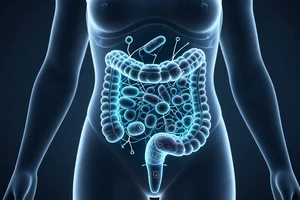
Kefir is a fermented drink packed with a diverse range of probiotics—including Lactobacillus species, Bifidobacterium, and yeast strains that can outcompete gas-producing bacteria in your gut. Unlike yogurt, kefir’s microbes survive digestion better because the fermentation process creates a protective environment for them.
Water kefir is a dairy-free option for those who are lactose intolerant. Dairy kefir contains more protein and B vitamins, but check labels for added sugar, which can negate the benefits. Stick to plain, unsweetened kefir and drink a small glass (about 4–6 ounces) about 30 minutes after a meal. The live cultures help normalize bowel movements and reduce the gas accumulation that contributes to bloating.
If you’re new to kefir, start with a small amount (2–3 ounces) to let your gut microbiome adjust, then gradually increase.
What to Avoid When You’re Bloated
What you drink during a bloated episode matters just as much. Carbonated beverages—including sparkling water, soda, and even sparkling herbal teas—introduce extra gas directly into your digestive tract. Sweetened drinks (even fruit juices) feed bad bacteria and yeast. And alcohol, especially beer and wine, inflames the gut lining and slows gastric emptying.
Stick to still, warm, or room-temperature drinks without added sugars or artificial sweeteners to give your gut the best chance to calm down.
A Quick Note on Timing
Most of these drinks work best when consumed either 15–20 minutes before a meal or 20–30 minutes after eating, not with the meal itself. Drinking large volumes during a meal dilutes stomach acid, which can actually make digestion less efficient. Sip slowly and aim for about 6–8 ounces total.
If bloating is a daily occurrence despite dietary changes, or if it’s accompanied by pain, diarrhea, or unexplained weight loss, it’s worth discussing with a healthcare provider since it could signal an underlying condition like IBS, SIBO, or celiac disease.