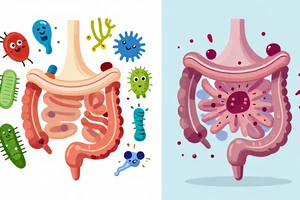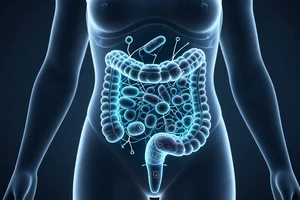

When a dietitian talks about the gut-brain axis, they aren't speaking metaphorically. The vagus nerve physically connects your digestive tract to your brain stem, creating a two-way communication highway. What you eat directly influences the bacteria living in your colon, and those microbes produce neurotransmitters like serotonin and dopamine that shape your mood, focus, and even stress response.
Supporting this microbial ecosystem doesn't require a radical diet overhaul. The most effective approach is consistent, incremental nourishment. Based on the latest research in nutritional psychiatry and gastroenterology, here are five foods that dietitians consistently recommend for reinforcing the gut-brain connection.
1. Fermented vegetables for a live-culture boost
Sauerkraut and kimchi are not just condiments; they are living foods. Unlike pasteurized supermarket versions, traditionally fermented vegetables contain live Lactobacillus bacteria that can survive stomach acid and reach the colon. Once there, they contribute to the diversity of your microbiome, which is a key marker of gut health.
Dietitians recommend starting with one to two tablespoons a day, added to salads, grain bowls, or alongside eggs. The goal is variety, not volume. Different batches contain different bacterial strains, so rotating between cabbage-based ferments and other vegetables like radishes or beets can expand the microbial benefits.
Tip: Look for jars in the refrigerated section that say "live cultures" or "raw" on the label. Shelf-stable canned versions have been heat-treated and no longer contain active bacteria.
2. Cooked and cooled potatoes for resistant starch
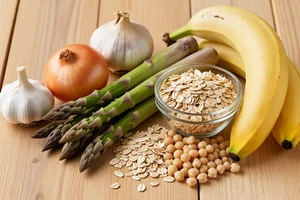
When a potato is cooked and then cooled—say, in a potato salad or overnight in the fridge—its starch structure changes. It becomes resistant starch, which behaves like a soluble fiber in the digestive system. Resistant starch bypasses the small intestine and feeds beneficial bacteria in the colon, particularly Bifidobacterium and Lactobacillus species.
These bacteria ferment the starch into short-chain fatty acids like butyrate. Butyrate is the preferred fuel for colon cells and has anti-inflammatory effects that can reduce systemic inflammation, including neuroinflammation linked to mood disorders. The same principle applies to cooked and cooled rice, oats, and pasta.
3. Fatty fish for omega-3s and microbial diversity
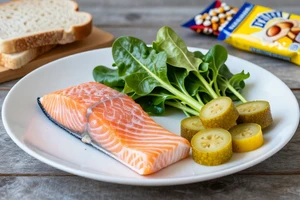
Salmon, sardines, and mackerel provide long-chain omega-3 fatty acids, specifically EPA and DHA. These fats integrate into cell membranes throughout the body, including those lining the gut. A healthy gut barrier prevents partially digested food particles and bacterial toxins from entering the bloodstream—a condition known as leaky gut, which has been associated with brain fog and fatigue.
Emerging research also suggests that omega-3s increase the abundance of Akkermansia muciniphila, a beneficial bacterium linked to better metabolic health and lower inflammation. Dietitians typically recommend two servings of fatty fish per week, though canned options like sardines and salmon are affordable and equally effective.
4. Dark leafy greens and sulfur-rich vegetables
Vegetables like kale, spinach, broccoli, and Brussels sprouts contain sulfoquinovose, a sulfur-containing sugar molecule that feeds specific beneficial bacteria. This molecule acts as a prebiotic—food for your microbes—rather than a probiotic itself. When these bacteria digest sulfoquinovose, they produce compounds that support the immune system and reduce oxidative stress.
These vegetables are also rich in folate and vitamin K, both of which are involved in neurotransmitter synthesis. Arugula and watercress add peppery flavor to salads while providing a concentrated source of these gut-friendly compounds. Aim for a fist-sized serving of dark greens at least once a day, preferably raw or lightly steamed to preserve heat-sensitive nutrients.
5. Walnuts for polyphenols and neurotransmitter support
Walnuts are unique among nuts because they are particularly high in omega-3 ALA (alpha-linolenic acid) and polyphenols called ellagitannins. Gut bacteria convert ellagitannins into urolithins, compounds that have been shown to reduce neuroinflammation in animal models. Walnuts also contain melatonin, the sleep-regulating hormone, which supports the circadian rhythm that governs both digestion and brain function.
Clinical studies in humans have found that daily walnut consumption improves cognitive performance and mood scores in young adults. A standard serving is about a handful—roughly 14 walnut halves. They can be eaten alone, added to oatmeal, or chopped into a salad for texture.
The foods listed above are not a prescription or a cure. They are evidence-based tools for supporting the microbial populations that mediate communication between your gut and brain. Consistency matters far more than perfection. Adding one or two of these foods into your weekly rotation can start shifting your microbiome toward greater diversity and resilience.
If you experience persistent digestive symptoms or mood changes, consult a healthcare provider or a registered dietitian. Individual needs vary, and dietary changes may need to be tailored to your specific health status.