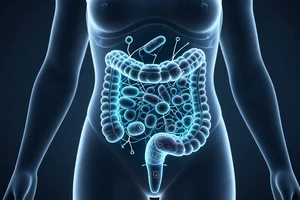

If you’ve ever felt uncomfortably full, tight, or swollen after a meal, you know bloating isn’t just a minor annoyance—it can derail your whole day. While occasional bloating is normal, persistent gas and distension often point to an imbalance in the gut microbiome. The good news? Fermented foods, packed with beneficial live microbes, can help restore order. We asked registered dietitians which fermented options are most effective for easing bloating, and these five rose to the top.
Why fermented foods help with bloating
Fermented foods are created when natural bacteria or yeast break down sugars and starches in a food, producing organic acids, gases, and—most importantly—probiotics. These live microorganisms help crowd out gas-producing harmful bacteria, improve the diversity of your gut flora, and strengthen the intestinal barrier. A healthier gut ecosystem typically means less fermentation (and therefore less gas) inside your colon, which directly translates to reduced bloating. But not all fermented foods are created equal when it comes to specific relief. Here are the five dietitians consistently recommend.
1. Kimchi
This spicy Korean staple is made from fermented vegetables—usually napa cabbage and radishes—along with garlic, ginger, chili, and fish sauce. Dietitians love kimchi because it delivers a multi-strain probiotic punch, including Lactobacillus kimchii and other lactic acid bacteria that have been shown to reduce bloating in people with irritable bowel syndrome (IBS). A 2020 review in Nutrients found that regular consumption of kimchi helped lower abdominal discomfort and gas. Plus, the ginger and garlic act as natural anti-inflammatories, calming the gut lining.
How to add it: Use it as a condiment on rice bowls, scrambled eggs, or tacos. Start with 1–2 tablespoons per day, since a sudden large dose of probiotics can cause initial bloating in some people.
2. Yogurt (plain, with live cultures)
Yogurt is the most accessible fermented food for most people, but the key is to choose plain varieties that list live and active cultures on the label. The strains Lactobacillus bulgaricus and Streptococcus thermophilus are required for yogurt production, but many brands also add Lactobacillus acidophilus and Bifidobacterium. Dietitians point out that yogurt’s protein and calcium can also help buffer stomach acid, which supports a calm digestive environment. A 2021 clinical trial found that participants who ate 100 grams of probiotic yogurt daily for three weeks experienced significantly less bloating compared to those who ate non-fermented dairy.
Pro tip: Avoid yogurts with added sugar, artificial sweeteners, or high-fructose corn syrup—these can paradoxically worsen bloating by feeding gas-producing bacteria.
3. Kefir
Kefir is a fermented milk drink that contains up to 50 different strains of bacteria and yeast—far more than yogurt. Its thin, drinkable consistency makes it easy to consume daily. Dietitians often recommend kefir for bloating because it contains Lactobacillus kefiri and the yeast Saccharomyces kefir, which have been shown to reduce intestinal gas production and improve transit time. A 2019 study in Nutrition Research reported that participants with functional constipation and bloating who drank kefir twice a day for four weeks had a 40% reduction in bloating severity.
How to use it: Drink a small glass (4–6 ounces) plain, or blend it into smoothies with low-gas fruits like berries or banana. People who are lactose intolerant often tolerate kefir well because the fermentation process significantly reduces lactose content.
4. Sauerkraut (unpasteurized)
Sauerkraut is simply fermented cabbage, but the magic happens when it’s raw and unpasteurized. Pasteurization kills the live probiotics, so dietitians stress checking the refrigerated section of the grocery store for “live” or “raw” sauerkraut. The Lactobacillus species in sauerkraut produce antimicrobial compounds that suppress gas-producing Clostridia bacteria in the gut. A small 2018 study found that people with bloating who ate two tablespoons of unpasteurized sauerkraut daily for six weeks reported a 30% improvement in abdominal distension.
How to eat it: Add it to salads, grain bowls, or as a side to grilled meats and fish. Rinsing it lightly can reduce the sodium content while keeping most probiotics intact.
5. Miso
Miso is a fermented soybean paste from Japan, rich in the probiotic Aspergillus oryzae as well as Bacillus species. Dietitians often recommend miso for bloating because its fermentation process also breaks down complex carbohydrates and proteins that can be hard for some people to digest. In a 2022 randomized trial, participants who consumed miso soup daily for eight weeks reported less post-meal gas and a lower score on a bloating severity scale compared to a control group.
How to use it: Stir a tablespoon of white or yellow miso paste into hot (not boiling) water for a simple broth. Avoid boiling miso, as high temperatures can kill its beneficial microbes. You can also mix it into salad dressings or marinades.
What to watch out for when starting fermented foods
If you’re new to fermented foods, dietitians caution against overdoing it. A sudden influx of probiotics can cause temporary gas, bloating, or even loose stools as your gut microbiome adjusts. Start with one serving per day of just one fermented food, then slowly increase over a few weeks. Also, read labels carefully: many supermarket varieties are pasteurized (which kills probiotics), loaded with added sugar, or packed with sodium. Finally, if you have histamine intolerance, compromised immunity, or a history of severe reactions to fermented foods, talk with your healthcare provider before adding these foods to your routine.
Can fermented foods replace medical treatment for bloating?
While these five foods are excellent for supporting digestive health, they are not a substitute for medical evaluation. If your bloating is chronic, severe, or accompanied by pain, bleeding, or weight changes, see a doctor. Underlying conditions like small intestinal bacterial overgrowth (SIBO), celiac disease, or inflammatory bowel disease require targeted treatment.