
You might think you're doing everything right for your digestion. You drink water, maybe even take a probiotic. But the truth is, some of the most common daily routines—things we do without a second thought—can quietly sabotage your fiber intake and the diversity of your gut microbiome.
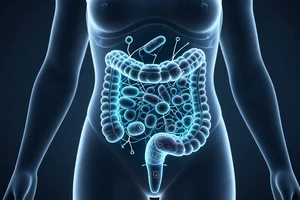
Fiber isn't just about regularity; it is the primary fuel for the trillions of bacteria living in your colon. When you don't feed them well, they starve, and your gut diversity plummets. A less diverse gut is linked to inflammation, a weaker immune system, and even mood fluctuations. The good news? You can fix these habits today. Here are five everyday actions that might be stealing your fiber—and how to flip the script.
1. You reach for smoothies (but not whole fruits)
Smoothies feel healthy. And they can be. But if you are loading your blender with juice, yogurt, and soft fruits alone, you are missing out on the structural fiber found in whole produce. When you blend a fruit, you break down its cell walls, which rapidly releases sugars and reduces the insoluble fiber that your gut bacteria need to physically latch onto.
The fix: Keep the skin on your apples and pears. Add a tablespoon of ground flaxseed or chia seeds to your smoothie. Better yet, chew a whole piece of fruit instead of drinking it.
2. You peel your fruits and vegetables religiously
This is a subtle one. Many of us were taught that peels are dirty or bitter, so we automatically strip apples, cucumbers, carrots, and potatoes. The skin of many plants is where most of the fiber and prebiotic compounds reside. By removing it, you are discarding the armor your gut bacteria need to thrive.
Instead, give your produce a good scrub with a brush. Eat the peel of a kiwi (yes, it's edible and packed with fiber), leave the skin on your baked potato, and wash—don't peel—your carrots.
3. You are on a "low-FODMAP" or restrictive diet without guidance
Maybe you heard the low-FODMAP diet helps with bloating, so you cut out onions, garlic, wheat, and beans. Or maybe you are doing keto or paleo and avoiding legumes entirely. These diets can be useful tools for specific conditions, but they also systematically eliminate the highest-fiber foods on the planet. Without careful reintroduction, the result is a gut that sees very few types of plant-based material.
Gut diversity is built on variety. If you need to restrict certain foods for medical reasons, work with a dietitian to ensure you are still rotating in low-FODMAP fiber sources like oats, carrots, spinach, and strawberries.
4. You snack on processed "clean" foods (protein bars, crackers, popcorn)
Just because a package says "organic" or "keto-friendly" doesn't mean it contains meaningful fiber. Many protein bars and low-carb snacks are built around isolated proteins and starches that digest rapidly. Even plain popcorn can be low in fiber if it's made from refined corn or over-processed.
Read the label. Look for at least 3 grams of fiber per serving on a snack. Better yet, snack on raw vegetables, a handful of almonds (with the skin on), or cooked barley—foods that haven't had their matrix destroyed by processing.
5. You assume a probiotic drink covers your bases
Probiotics add good bacteria, which is helpful. But if you aren't eating the food those bacteria eat—prebiotic fiber—the new bugs will die off. Many people rely on a daily kombucha or yogurt drink as their main gut health strategy while eating a low-fiber diet. This is like planting a garden and never watering it.
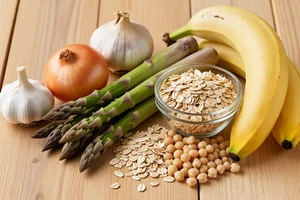
Your gut bacteria need food sources like inulin, resistant starch, and pectin. You find these in bananas (a little green), rolled oats, leeks, and potatoes that have been cooked and cooled. A quick rule: aim to eat 30 different plant foods each week.
Adjusting these five habits doesn't mean a complete overhaul. Start with one: leave the peel on your apple tomorrow. Small changes in how you eat build a richer, more resilient gut ecosystem over time.