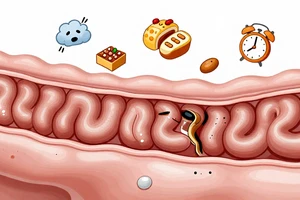
You eat a balanced diet, you try to get enough fiber, yet after a meal, you still feel uncomfortably bloated or unusually full. For many adults over 40, this isn't just about what they eat—it's often about the body's declining ability to properly break food down. Digestive enzymes are the chemical workhorses that turn your meals into absorbable nutrients, and their production naturally starts to shift as we age.
Understanding why this happens is the first step toward smarter eating habits. Here are five straightforward reasons your enzyme levels might be dropping and what you can do to support your digestive health.
1. Natural Aging of the Pancreas
The pancreas is your body's main enzyme factory. Over time, this organ can become less efficient. Research suggests that after age 40, the pancreas produces less lipase—the enzyme needed to digest fats—and may also secrete fewer total pancreatic enzymes. This gradual decline is often called pancreatic insufficiency of aging.
When fat isn't properly broken down, it passes into the colon where bacteria ferment it. That leads to gas, loose stools, and that heavy feeling after a fatty meal. While you cannot stop the clock, you can ease the load: eating smaller portions of fat at each meal gives your pancreas a fighting chance.
2. Chronic Stress and Nervous System Fatigue
This is one of the most overlooked causes. Digestion is handled by the parasympathetic nervous system—often called the “rest and digest” mode. When you are chronically stressed, your body stays in the sympathetic “fight or flight” state, which shunts blood flow away from the stomach and pancreas.
Less blood flow means fewer enzymes are released during a meal. Over years of high stress, this suppression can become a chronic low-output state. Simple habits like taking three deep breaths before eating or going for a short walk after work can help reactivate that digestive calm needed for proper enzyme secretion.
What you can do
Try keeping a “pre-meal pause.” Even 60 seconds of quiet before picking up your fork signals to your body that it is safe to digest.
3. Low Stomach Acid (Hypochlorhydria)
Stomach acid might seem unrelated to enzymes, but it acts as a critical trigger. The acidic environment in your stomach signals the small intestine to release pancreatic enzymes and bile. If stomach acid levels are low—a common issue that becomes more frequent after age 40—that signal weakens.
Common culprits that lower stomach acid include long-term use of acid-reducing medications like proton pump inhibitors (PPIs), chronic gastritis, and H. pylori infection. Low stomach acid also hinders the activation of pepsin, an enzyme critical for protein digestion. If you often feel bloated after eating meat or eggs, low acid could be the hidden driver behind low enzyme activity.
4. Gut Inflammation and Dysbiosis
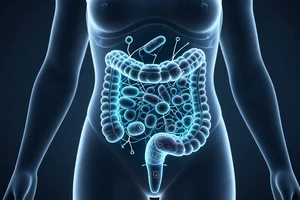
The lining of your small intestine is where enzymes meet food. When that lining is inflamed—a condition often seen with celiac disease, gluten sensitivity, or an overgrowth of bacteria—the brush-border enzymes located on the intestinal cells themselves can become damaged.
These brush-border enzymes (like lactase and sucrase) are your final line of digestion. If they are compromised, you may develop temporary or persistent intolerances to dairy, certain sugars, or even vegetables. Gut inflammation also alters bile acid metabolism, which further impairs fat digestion. Healing the gut lining through a low-inflammatory diet and addressing any food sensitivities can help restore enzyme function at the intestinal level.
Keep in mind that chronic diarrhea or heavy antibiotic use can strip away these delicate enzymes, making it hard to absorb nutrients even from healthy foods.
5. Nutritional Deficiencies (Especially Zinc and B Vitamins)
The pancreas and intestinal cells need specific micronutrients to manufacture enzymes. Zinc is essential for the production of stomach acid and many pancreatic enzymes. If your zinc intake is low—common in older adults who eat less red meat or have poor absorption—enzyme production drops.
B vitamins, particularly B6 and B12, are cofactors in cellular energy and enzyme synthesis. A deficiency here often goes unnoticed for years. Low zinc can also cause a loss of taste or smell, which reduces appetite and creates a cycle of poor nutrition.
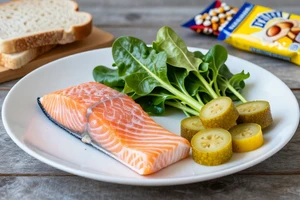
Foods like pumpkin seeds, chickpeas, shellfish, and lean poultry are natural zinc sources. If you suspect a deficiency, consulting a healthcare provider for a simple blood test is more reliable than guessing with supplements.
Digestive enzymes are not just a supplement category; they are a vital part of your everyday metabolic health. If you notice a pattern of bloating, undigested food in your stool, or heavy fatigue after meals—especially past age 40—consider these underlying causes before reaching for a pill. Small dietary adjustments, stress management, and attention to gut inflammation often make a significant difference.