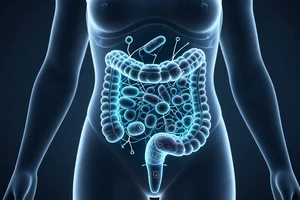

You follow your training plan. You prioritize protein. You get eight hours of sleep when you can. Yet your paces feel harder than they should, your recovery drags, and your motivation dips. When everything looks right on paper but your body isn't responding, the culprit might not be your muscles—it might be your microbiome.
The gut-brain axis and the gut-muscle axis are real physiological highways. An imbalanced gut doesn't just cause bloating; it can directly limit how well you absorb nutrients, regulate inflammation, and produce energy. Here are four warning signs that your digestive health may be holding back your performance.
1. You feel heavy or bloated during every workout
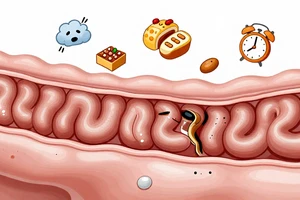
A little sloshing after a pre-run smoothie is normal. But if you regularly feel tight, distended, or gassy within the first mile of a run or the first set of a lift, your gut may be struggling with motility or fermentation. When gut bacteria are out of balance, certain fibers and FODMAPs can ferment rapidly in the small intestine, producing gas that pushes against the diaphragm. That sensation of being unable to take a full breath is a direct performance limiter.
This isn't about cutting all fiber—it's about timing. If symptoms are consistent, consider keeping a food-and-symptom log to identify which high-fermentation foods (often beans, cruciferous vegetables, or certain fruits) trigger the feeling, and experiment with eating your last real meal two to three hours before exercise.
2. Unpredictable bathroom urgency mid-session
Exercise naturally diverts blood flow away from the digestive tract. For most people, this is a non-issue. But if you experience sudden cramping, loose stools, or the urgent need to find a restroom every single time you push intensity, your gut lining may be hypersensitive or mildly inflamed. This is common in athletes with low-grade intestinal permeability (often called "leaky gut"), where the barrier between your gut and bloodstream becomes less selective.
Over time, this can trigger a systemic inflammatory response that makes recovery harder and increases perceived effort. If this is a pattern, day-before meal choices matter: focus on easily digestible carbs like white rice or bananas pre-workout, and reserve higher-fiber or high-fat meals for post-workout windows.
3. You feel "brain fog" or moodiness that derails training
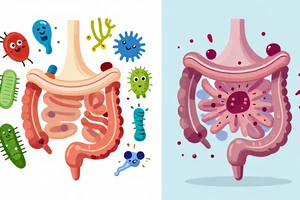
An estimated 90 percent of the body's serotonin is produced in the gut. The microbiome also influences dopamine synthesis and the regulation of cortisol. When your gut ecosystem is dysbiotic—meaning the ratio of beneficial to harmful bacteria is off—those neurotransmitter signals can falter. You might feel unusually irritable before a workout, struggle to focus on technique, or feel mentally defeated mid-session for no clear reason.
This isn't purely psychological. If you consistently feel mentally flat or anxious right before key sessions, and you've already addressed sleep and stress, look at your diet's diversity. A monotonous diet low in prebiotic fibers (garlic, onions, leeks, oats) can starve the beneficial bacteria that support your nervous system.
4. You're sore longer and get sick more often
If your muscles are still aching three days after a moderate workout, or you catch every cold that circulates through the gym, your gut immune function may be compromised.
Approximately 70 to 80 percent of your immune cells reside in gut-associated lymphoid tissue (GALT). A healthy gut barrier prevents pathogens and endotoxins from slipping into the bloodstream where they trigger low-grade chronic inflammation. When that barrier is weak, you experience a higher inflammatory load. That translates directly into slower muscle repair and a less effective immune response.
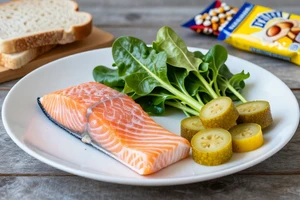
If you notice a pattern of frequent illness or unprecedented soreness, consider whether your diet includes sufficient polyphenols (berries, dark chocolate, green tea) and omega-3s, which support both gut barrier integrity and inflammatory regulation.
What to do if you recognize these signs
None of these symptoms mean you need a restrictive elimination diet or a fridge full of supplements. Start with the fundamentals: hydrate properly between meals (not just during workouts), eat a wider variety of plant foods (aim for 30 different plant types per week), and manage your training stress—overreaching is a known disruptor of gut diversity. If symptoms persist after a few weeks of consistent adjustments, a registered dietitian with sports-gastroenterology experience can help you investigate more specific triggers like SIBO or carbohydrate malabsorption.
The goal isn't perfect digestion. It's a gut that works for you, not against you, when it matters most.