
As we age, our bodies send us signals—some subtle, some less so. For those over sixty, the digestive system often becomes a reliable barometer of overall wellness. While occasional discomfort is normal, certain persistent symptoms may indicate that your gut microbiome is struggling to keep up. Recognizing these warning signs early can help you take gentle, effective steps to support your digestive health before small issues become bigger problems.
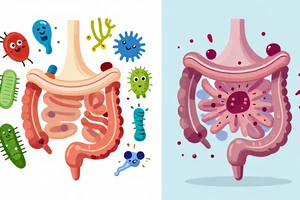
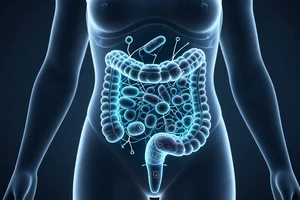
The gut is home to trillions of bacteria that influence everything from nutrient absorption to immune function and even mood. After age sixty, natural changes in digestion, medication use, and diet can disrupt this delicate ecosystem. Here are four signs that your gut health may be declining—and what you can do about them.
1. Persistent Bloating and Gas After Meals
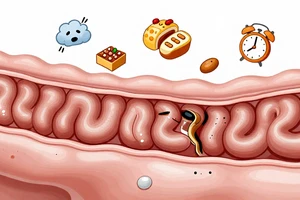
Feeling uncomfortably full or bloated after eating is a common complaint, but when it becomes a daily occurrence, it may point to an imbalance in your gut bacteria. As we age, the diversity of our microbiome tends to decrease, which can reduce the efficiency of digestion. This often leads to excess gas production and that tight, distended feeling in the abdomen.
If you notice that even small meals leave you bloated for hours, or if the sensation is accompanied by audible gurgling or rumbling, your gut may be struggling to break down certain foods. Common culprits include fiber-rich vegetables, beans, dairy, and artificial sweeteners. Keeping a food diary for a week can help you identify patterns without guessing.
Gentle tip: Try eating smaller, more frequent meals and chewing food thoroughly. This gives your digestive enzymes a head start and reduces the workload on your gut.
2. Unexpected Changes in Bowel Habits
Regularity looks different for everyone, but a sudden shift in your normal pattern is worth paying attention to. Whether you’re experiencing persistent constipation, loose stools, or alternating between both, these changes can signal that your gut microbiome is out of balance.
Constipation after sixty is particularly common because digestion naturally slows with age. However, it should not be accepted as inevitable. Hard, difficult-to-pass stools that last for weeks may indicate low fiber intake, dehydration, or insufficient friendly bacteria. On the other hand, frequent loose stools can suggest that inflammation or an overgrowth of less helpful bacteria is irritating the intestinal lining.
If you notice blood, mucus, or unexplained weight loss alongside these changes, consult a healthcare provider promptly. For mild shifts, increasing your intake of soluble fiber (like oats, bananas, and cooked carrots) and staying well-hydrated often helps restore rhythm.
3. Increased Food Sensitivities or Intolerances
Have you recently found that foods you once enjoyed now leave you feeling uncomfortable? Developing new sensitivities to dairy, gluten, or even certain fruits can be a sign that your intestinal barrier is becoming more permeable—sometimes called “leaky gut.” This happens when the tight junctions in the gut wall weaken, allowing partially digested food particles to trigger immune responses.
After sixty, the gut lining naturally becomes thinner and more fragile, making it easier for irritants to pass through. Common signs include nausea, cramping, or diarrhea within a few hours of eating a trigger food. You might also notice extra-intestinal symptoms like brain fog, joint aches, or fatigue that seem linked to meals.
If you suspect a food intolerance, an elimination diet guided by a registered dietitian can help pinpoint the problem without unnecessary restriction. Avoid self-diagnosing complete food groups, as eliminating too many foods can lead to nutrient deficiencies.
4. Fatigue That Lingers Despite Adequate Sleep
Feeling tired after a full night’s rest is one of the more surprising signs of gut trouble. The gut-brain connection is strong, and a significant portion of your body’s serotonin—a neurotransmitter that regulates mood and sleep—is produced in the digestive tract. When gut health declines, this production can falter, leaving you feeling sluggish and low.
Additionally, an imbalanced microbiome can impair the absorption of key nutrients like iron, B vitamins, and magnesium, all of which are essential for energy production. Chronic low-grade inflammation originating in the gut can also drain your stamina over time.
If you find yourself relying on caffeine to get through the afternoon or feeling unusually drained after meals, consider whether your digestive health might be contributing. Supporting your gut with fermented foods (like yogurt, kefir, or sauerkraut) and prebiotic fibers (like garlic, onions, and leeks) can help boost your energy gradually.
When to Seek Professional Guidance
These four signs are not a diagnosis, but they are worth discussing with your doctor, especially if they persist for more than two weeks. A healthcare provider can run simple tests to rule out underlying conditions like celiac disease, lactose intolerance, or inflammatory bowel disease. They may also recommend a stool test to assess your microbiome composition.
Taking care of your gut after sixty is not about drastic overhauls. It is about listening to your body, making small adjustments, and giving your digestive system the consistent support it needs to keep you feeling your best.