
You have likely felt it—that sinking feeling in your stomach before a big presentation, or the way anxiety can make you lose your appetite. That is not just a metaphor; it is biology. Your gut and brain are constantly talking to each other through a complex network of nerves, hormones, and chemical signals known as the gut-brain axis. When this communication line is working well, you feel balanced, clear-headed, and comfortable. But when the signal gets scrambled, the effects can show up in surprising ways.
Many people assume that digestive trouble is just about diet, and mood swings are just about stress. However, these two systems are deeply interconnected. A persistent glitch in one can directly disrupt the other. Recognizing the signs that your gut-brain connection may be out of sync is the first step toward restoring that balance. Here are four key warning signs to watch for.
The Irritable Gut That Refuses to Settle
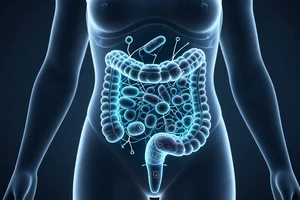
One of the most straightforward warning signs is a gut that feels perpetually unsettled. Bloating, gas, cramping, or irregular bowel movements—whether it is constipation or loose stools—can all point to a breakdown in gut-brain communication. The digestive tract is lined with a vast network of neurons (often called the "second brain"), and it is highly sensitive to signals from the central nervous system. When stress, anxiety, or poor sleep disrupts the signals traveling from the brain to the gut, digestion can become erratic.
Worth noting: This is not just about a single bad meal. It is about a persistent pattern of digestive distress that seems to have no clear dietary cause, especially if it coexists with mental or emotional stress. If your stomach churns every time you feel pressured, or if unexplained bloating has become your new normal, your brain and gut may be sending mixed messages to one another.
Mood Swings and Unexplained Anxiety
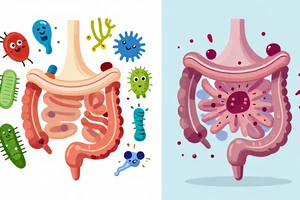
The same signaling pathways that affect digestion also influence your mood. Around 90% of the body's serotonin—a key neurotransmitter that helps regulate happiness, calm, and well-being—is actually produced in the gut. When the gut lining is inflamed or the microbial balance is off, this production can suffer.
If you find yourself experiencing sudden anxiety, irritability, or a feeling of being "on edge" for no clear reason, the source might not be purely psychological. A disrupted gut microbiome can send distress signals directly to the brain via the vagus nerve, triggering a stress response even when you are not facing any external threat. This is why a persistent low mood or heightened anxiety—especially when paired with digestive upset—can be a clue that your internal communication system needs attention.
Brain Fog and Trouble Focusing
Another telltale sign is a mental cloudiness that does not lift. You might find it hard to concentrate, struggle to find the right words, or feel unusually forgetful. This phenomenon, often called brain fog, has deep roots in the gut. The gut microbiome produces a wide range of compounds that influence brain function, including short-chain fatty acids and various neuroactive molecules.
When your gut is inflamed or its bacterial community is out of sync, it can release substances that trigger systemic inflammation. This inflammation can reach the brain, affecting the function of neurons and the connections between them. The result is slower thinking, reduced clarity, and a general feeling of mental fatigue. If you are eating well and sleeping enough but still feel like you are thinking through mud, your gut may be the bottleneck.
Unusual Food Reactions (That Aren't Allergies)
The fourth warning sign is an increase in sensitivity to foods you used to tolerate well. You might suddenly feel overly full after a small meal, or experience immediate bloating, nausea, or discomfort after eating certain things—even if you are not allergic to them. This reaction is often a sign of visceral hypersensitivity, which is a common symptom when the gut-brain axis is compromised.
The brain can become hypervigilant about sensations from the gut, amplifying normal digestive processes into painful or uncomfortable ones. This creates a frustrating cycle: fear of eating certain foods triggers stress, which further disrupts your digestion and sensitivity. Pay attention if your tolerance to a broad range of foods declines, especially if your diet has not changed dramatically. It is a strong clue that the "wires" between your gut and brain are crossed.
A quick reality check: These signs do not automatically mean something is wrong. Occasional digestive upset, stress, or a foggy day are part of being human. But when these four patterns start to persist, overlap, or worsen, it is a signal that your gut-brain connection could use some support.
Supporting a healthy gut-brain axis involves working on both ends of the conversation. Prioritizing consistent sleep, managing stress with daily habits like short walks or breathing exercises, and eating a varied diet rich in fiber and fermented foods can help recalibrate the connection. If these symptoms are severe or interfering with your life, consulting a healthcare provider who understands the gut-brain connection is a solid next step.