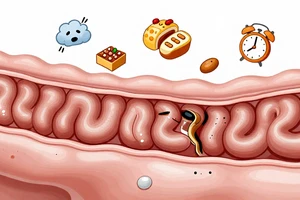

Constipation is one of the most common digestive complaints, and for most people, it comes and goes with changes in diet, hydration, or stress levels. A few days of sluggish bowels usually resolve with a glass of water, a walk, or a serving of prunes. But there is a difference between occasional irregularity and a problem that needs a doctor's attention. Knowing which symptoms are red flags can save you from unnecessary discomfort and more serious health complications down the road.
Below are four signs that your constipation has moved beyond a diet issue and into the territory where a medical evaluation is warranted. If any of these sound familiar, it's time to make an appointment rather than reaching for another laxative.
1. You see blood in your stool or on the toilet paper
A small amount of bright red blood on the tissue can sometimes come from a fissure caused by straining. That is painful but generally not dangerous. However, blood mixed into the stool itself—especially if it's dark, tarry, or maroon—can signal bleeding higher up in the colon. Constipation that lasts for weeks can cause hemorrhoids to worsen, but it can also mask more serious conditions like polyps, diverticulosis, or even colorectal cancer. The rule of thumb is simple: if you see blood and it doesn't vanish within a day or two, or if it happens more than once, get it checked.
2. You have severe abdominal pain or bloating that doesn't go away
Feeling crampy or gassy is normal during a bout of constipation. But sharp, persistent pain that doubles you over or makes it hard to stand up straight is not. Severe pain can indicate a bowel obstruction, which is a medical emergency. Obstructions occur when stool becomes so hard and large that it literally blocks the intestine. Other clues include vomiting, an inability to pass gas, or a swollen belly that feels hard to the touch. Even without an obstruction, unrelenting pain combined with constipation can be a sign of irritable bowel syndrome (IBS) or a motility disorder—both of which benefit from a proper diagnosis.
If you cannot pass gas or have nausea and vomiting along with the pain, go to the emergency room immediately.
3. You have been constipated for three weeks or longer
Chronic constipation is typically defined as having fewer than three bowel movements per week for several months. But even a single stretch of three consecutive weeks with no real relief is enough to warrant a visit. By that point, the colon has been absorbing water from the stool for too long, making it drier and harder to pass. Prolonged constipation can lead to fecal impaction, where a hard mass of stool gets stuck in the rectum and you cannot push it out. This often requires manual removal or an enema in a clinical setting—not something to treat at home. A doctor can also check for underlying causes like an underactive thyroid, diabetes, or a side effect from a medication you are taking.
4. You notice unexplained weight loss or a change in bowel habits
If you are losing weight without trying, and you also have constipation (or alternating constipation and diarrhea), that is a pattern that needs investigation. Unexplained weight loss is a classic systemic symptom that can point to inflammation, malabsorption, or a growth in the colon. A sudden change in how your stool looks, such as becoming thin and ribbon-like, is another red flag. While these changes do not automatically mean cancer, they are the kind of signals that should never be ignored. A colonoscopy or imaging study is often the next step to rule out structural problems.
When to see a specialist vs. a primary care doctor
Start with your primary care provider. They can run basic blood work, check your thyroid, and review your medications. If the cause remains unclear or if you have any of the red-flag symptoms above, they will refer you to a gastroenterologist. A specialist can perform motility tests, imaging, or a colonoscopy to get to the root of the problem. In the meantime, stay hydrated, increase soluble fiber like oats and apples slowly (too much fiber too fast can worsen constipation), and avoid relying on stimulant laxatives, which can damage the nerves in your colon over time.
The bottom line: Occasional constipation is normal, but your body gives clear signals when something is off. Blood, severe pain, long duration, and unexplained weight loss are not things to tough out on your own. Listen to those signs and let a medical professional take it from there.