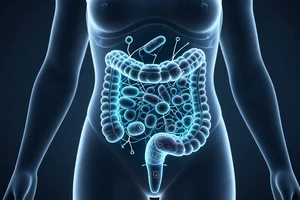

When we talk about gut health, the conversation usually centers around dinner plates — hearty bowls, fermented vegetables, slow-cooked legumes. But what happens between meals matters just as much. The snacks you reach for when hunger strikes can either support the trillions of microbes living in your digestive tract or leave them hungry and undernourished. A well-fed microbiome is a diverse microbiome, and diversity is one of the strongest markers of good gut health.
You don't need expensive powders, obscure ingredients, or complicated recipes to get there. The snacks that pack the biggest punch for your gut are often the simplest — whole foods that deliver fiber, resistant starch, and polyphenols straight to your colon where your microbes do their best work. Here are four gut-friendly snacks that naturally boost fiber intake and support microbial diversity.
A Handful of Almonds and Walnuts
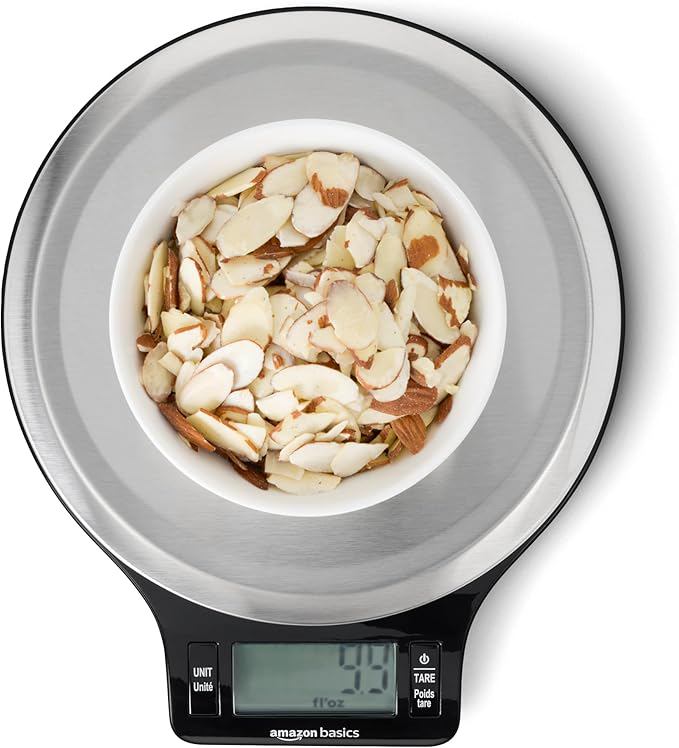
Nuts are often written off as a high-calorie indulgence, but for your gut bacteria, they're more of a prebiotic power move. Almonds and walnuts in particular contain fiber that resists digestion in the small intestine, making its way to the colon where it feeds beneficial bacteria like Lactobacillus and Bifidobacterium species. A 2022 study published in the American Journal of Clinical Nutrition found that people who ate about one ounce of almonds daily had higher levels of the short-chain fatty acid butyrate in their gut — a compound that supports the intestinal lining and reduces inflammation.
Walnuts bring something extra: high levels of ellagitannins, which the gut microbiome converts into urolithins. These metabolites have been linked to anti-inflammatory effects and better microbial balance. A quarter-cup of mixed almonds and walnuts is a snack you can eat as-is, or you can chop them over a plain yogurt (another gut-friendly addition) for a texture contrast that makes the snack more satisfying.
Tip: Keep a small bag of raw, unsalted almonds and walnuts in your bag or desk drawer. The fiber is already there — you just need to eat them consistently for your microbes to benefit.
Overnight Oats with Ground Flaxseed
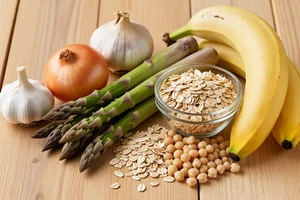
Oats are already a good source of beta-glucan, a soluble fiber that gels in the digestive tract and feeds beneficial bacteria. But turning them into overnight oats does two things: it makes the starches more accessible to fermentation, and it gives you a canvas for adding more fibers. This is where ground flaxseed comes in. A single tablespoon of ground flaxseed adds about three grams of fiber — half of it soluble, half insoluble — along with lignans, which are polyphenols that gut bacteria metabolize into enterolignans.
Research suggests that enterolignans may play a role in reducing inflammation and promoting a healthier gut environment. Flaxseed also contains mucilage, a type of soluble fiber that helps feed the mucus layer of your gut — an often-overlooked part of the microbiome interface. To make the snack, combine rolled oats with milk or a plant-based alternative, a tablespoon of ground flaxseed, and let it sit overnight in the refrigerator. In the morning, you can add berries or a sprinkle of cinnamon without needing to cook anything.
Roasted Chickpeas with Curly Kale Chips
Two entirely different textures that share one important trait: high fiber content. Chickpeas are a legume, which means they contain both soluble and insoluble fiber along with a meaningful amount of resistant starch — especially if they're cooled after cooking. Resistant starch bypasses small intestine digestion entirely, landing in the colon where it's fermented into short-chain fatty acids that feed your gut lining and support microbial diversity.
Kale chips contribute a different kind of fiber — mostly insoluble — that adds bulk to the stool and helps keep things moving, but they also contain sulforaphane precursors and other sulfur-containing compounds that some gut bacteria use for metabolic processes. To make this snack, drain and rinse canned chickpeas, toss them with olive oil and cumin or paprika, and roast at 400°F until crispy (about 30 minutes). Tear kale leaves into pieces, massage with oil and salt, and bake until crisp — around 10 minutes. These can be made in batches and stored separately for a week's worth of snacking.
Caveat: If you're not used to high-fiber legumes, start with a quarter cup of chickpeas and see how your digestive system responds before increasing the portion. Your microbes will adapt, but they need time.
Dark Chocolate and Sliced Apple
The pairing feels like a dessert, but the combination delivers a serious prebiotic effect. Apples are rich in pectin, a soluble fiber that ferments slowly in the colon, producing a steady release of short-chain fatty acids rather than a rapid gas burst. Pectin has been shown in studies to increase the abundance of Faecalibacterium prausnitzii, a bacterial species that's often low in people with inflammatory gut conditions.
Dark chocolate — look for at least 72% cocoa — brings polyphenols called flavanols that survive digestion and reach the colon intact. There, gut bacteria break them down into smaller metabolites that reduce oxidative stress and encourage the growth of Lactobacillus and Bifidobacterium strains. One study from the FASEB Journal found that subjects who consumed a cocoa-flavanol-rich drink for four weeks had significantly higher levels of these beneficial bacteria compared to a control group. Slice one apple and pair it with one or two squares of dark chocolate for a snack that feels indulgent but actively supports your gut.
These four snacks are not meant to be a complete gut-health overhaul. They're practical, realistic additions to your day — ways to feed your microbiome without turning snacking into an elaborate chore. The common thread is fiber diversity, not just fiber quantity. Different fibers feed different bacteria, and different bacteria produce different beneficial compounds. Variety in your snack choices is, in itself, a form of microbial support.