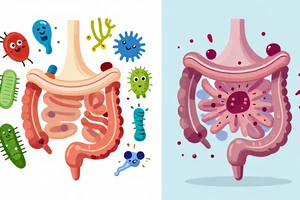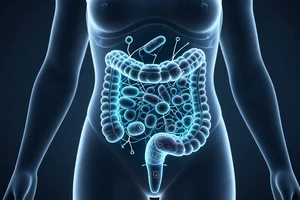

When your gut microbiome is in balance, your body handles yeast like Candida albicans without issue. But when that balance tips—due to antibiotics, stress, or a diet heavy in sugar and refined carbs—candida can multiply, leading to uncomfortable symptoms like bloating, fatigue, oral thrush, and cravings for sweets. While severe cases require medical attention, food choices are a powerful lever for supporting a healthy microbial environment.
Rather than chasing restrictive elimination diets, you can shift your focus to including foods that actively create conditions where candida struggles to thrive. The goal isn't to starve yourself—it's to nourish the beneficial bacteria that keep yeast populations in check. Here are four gut-friendly foods that help prevent candida overgrowth naturally.
1. Unsweetened Coconut Yogurt or Kefir
Probiotic-rich fermented foods are a cornerstone of candida prevention. Live cultures—particularly strains of Lactobacillus and Bifidobacterium—compete with yeast for space and nutrients in the gut lining. A study in the journal mBio found that certain probiotics can inhibit candida's ability to form biofilms, the protective coatings that make it hard to clear.
Unsweetened coconut yogurt or coconut kefir are excellent choices because they're dairy-free (some people find dairy can be mucus-producing and may aggravate candida symptoms) and free of added sugars that feed yeast. Check the label: the only ingredients should be coconut milk and live active cultures. One serving (about ½ cup) per day is a good starting point, but listen to your digestion—some people experience temporary bloating as the gut flora adjusts.
2. Garlic
Garlic's antifungal reputation is well-earned. The key compound, allicin, is released when a clove is crushed or chopped. Allicin has been shown in laboratory studies to inhibit the growth of Candida albicans and disrupt its ability to adhere to mucosal surfaces. This isn't ancient folklore—modern research continues to confirm garlic's broad antimicrobial activity.
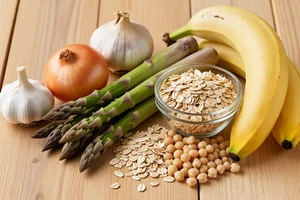
To get the benefit, crush or chop fresh garlic and let it sit for 10 minutes before cooking or eating. This allows the allicin to form. Add it to salad dressings, stir-fries, roasted vegetables, or avocado toast. You needn't eat it raw in large quantities—one or two cloves spread throughout your day is sufficient for maintenance. Garlic supplements are available but less reliable; fresh garlic is more predictable for daily intake.
3. Cooked Non-Starchy Vegetables (Especially Cruciferous)
Vegetables that are low in sugar and high in fiber do two things at once. First, they provide prebiotic fiber that feeds beneficial gut bacteria, especially Bifidobacteria and Lactobacillus. When these bacteria are well-fed, they produce short-chain fatty acids like butyrate, which strengthens the gut barrier and reduces inflammation—making it harder for candida to gain a foothold. Second, non-starchy vegetables keep blood sugar and insulin levels stable, reducing the food supply that candida needs to proliferate.
Aim for a rainbow of colors: broccoli, kale, Brussels sprouts, cauliflower, zucchini, bell peppers, and asparagus. Cooking these vegetables reduces their volume and makes them easier to digest than raw, which is helpful if your gut is already irritated.
One study in Nutrients highlighted that a diet rich in cruciferous vegetables supports a diverse microbiome, which is one of the strongest defenses against opportunistic infections like candida overgrowth. Shoot for three to four cups total per day, distributed across meals.
4. Extra-Virgin Olive Oil
Extra-virgin olive oil (EVOO) contains polyphenols—particularly oleacein and oleuropein—that have been shown to inhibit candida growth in test-tube studies. These compounds appear to disrupt the cell membrane of the yeast and interfere with its ability to switch from a harmless yeast form to a hyphal form (the invasive, troublesome stage).
Beyond the direct antifungal effect, EVOO supports overall gut health by reducing inflammation and encouraging the growth of beneficial bacteria. A 2020 review in Frontiers in Nutrition linked olive oil consumption to higher levels of Roseburia and Faecalibacterium prausnitzii, both associated with a strong gut barrier. Use EVOO as your primary cooking fat and in dressings—two tablespoons per day is a reasonable intake. Avoid heating it to smoking point; light sautéing or drizzling over finished dishes preserves the polyphenols.
Putting It Into Practice
You don't need to adopt all four overnight. Start with one: swap your morning sweetened yogurt for unsweetened coconut yogurt. Over the next week, add a cooked cruciferous vegetable to dinner. Then toss a garlic into your olive oil dressing. The cumulative effect of these small dietary shifts is more sustainable—and often more effective—than a dramatic overhaul. Consistency matters far more than perfection when it comes to supporting your microbiome.