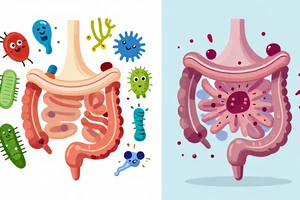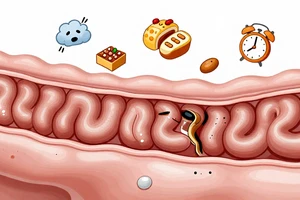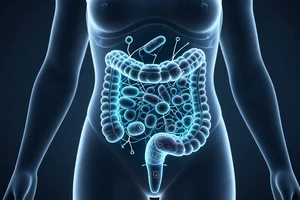
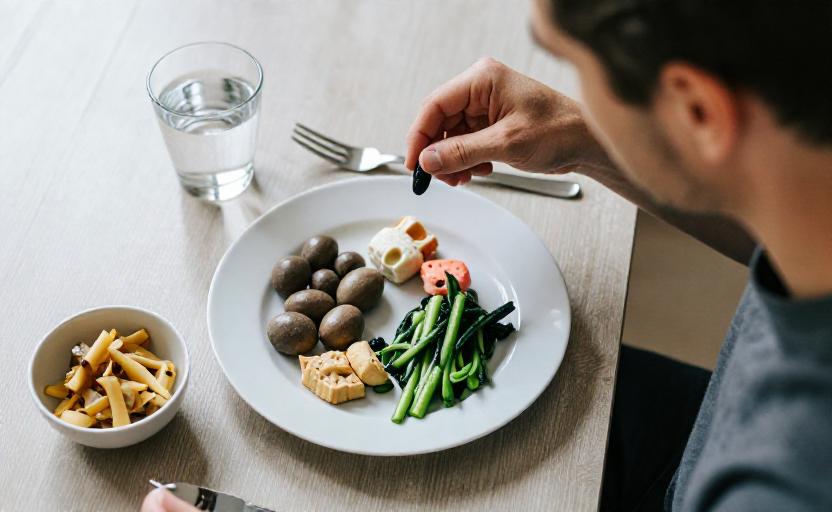
Your digestive system relies on a steady supply of enzymes to break down food into nutrients your body can actually use. These protein catalysts—produced mainly in the pancreas, stomach, and small intestine—are the unsung workers behind every meal you digest. When their levels drop too low, you may notice bloating, that heavy feeling after eating, or irregularity. But here is what many people miss: you do not need a dramatic medical event to throw these enzymes off balance. A few deceptively normal daily habits are quietly depleting your digestive enzyme supply.
The good news is that your body is resilient. By recognizing these four common patterns, you can take simple steps to support your enzyme production—without overhauling your entire life.
1. Rushing through meals and eating on the go
Digestion actually begins in your mouth. Your salivary glands release amylase (an enzyme that starts breaking down starches) the moment you chew. When you eat quickly—while walking, scrolling, or answering emails—you tend to swallow larger, less-chewed pieces of food. This means your stomach and pancreas have to work overtime to compensate for the missing early enzymatic work.
Over time, constant rushing can deplete the pancreas’s enzyme reserves. The pancreas produces a fixed capacity of enzymes per meal; when it has to overcorrect regularly, the system becomes less efficient. The result is undigested food particles reaching the colon, which feeds gut bacteria and leads to gas and bloating.
Quick fix: Chew each bite 20–30 times. Set aside at least 15 minutes for meals without screens. Your enzymes will thank you.
2. Drinking large amounts of water with meals
Hydration is essential for digestion, but timing matters. Drinking too much water immediately before or during a meal dilutes the concentration of gastric juices, including hydrochloric acid and pepsin. While your stomach acid can handle some dilution, excessive fluid intake raises the pH of the stomach temporarily—making it harder for enzyme-dependent chemical reactions to proceed efficiently.
A 2021 review in Nutrients noted that proper gastric pH is critical for activating pepsinogen into pepsin, one of the primary protein-digesting enzymes. When you wash down your lunch with a full 16-ounce glass of water, you are essentially slowing down the very process that prepares your food for the small intestine.
This habit does not completely stop digestion, but if it is repeated daily, it can contribute to suboptimal enzyme activity and a sense of heaviness after meals. For individuals with naturally lower stomach acid—common in older adults—the effect is more pronounced.
What to do instead
Aim to drink most of your water between meals. If you feel thirsty while eating, take small sips—just enough to swallow comfortably—rather than full glasses. You can also try warm water or herbal tea, which is less disruptive to stomach pH than cold water consumed in large volume.
3. Chronic stress and constant “fight or flight” mode
This habit is invisible, but its effect on enzyme production is profound. Your autonomic nervous system has two branches: the parasympathetic (“rest and digest”) and the sympathetic (“fight or flight”). Digestive enzyme secretion is primarily a parasympathetic function. When you are under chronic stress—work pressure, relationship strain, financial worry—your body spends more time in sympathetic mode.
In this state, blood flow is redirected away from the digestive organs and toward the muscles and heart. The pancreas reduces enzyme output, and the small intestine produces fewer brush-border enzymes (like lactase, sucrase, and maltase). The result is a vicious cycle: you eat, you cannot digest well, you feel more stress, and your body reinforces the low-enzyme state.
Research has consistently linked chronic psychological stress with reduced amylase output and altered pancreatic function. While the body can handle acute stress short-term, sustained stress essentially tells your gut “you’re on your own.”
Quick fix: Just 5 minutes of deep diaphragmatic breathing before eating shifts your nervous system toward the parasympathetic state. That short pause can improve enzyme release by signaling safety to your gut.
4. Over-reliance on highly processed foods
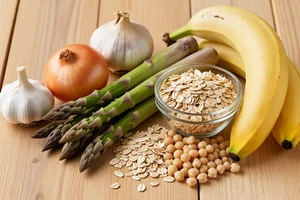
Processed foods—think white bread, sugary snacks, ready-made sauces, and packaged convenience meals—are often stripped of natural fibers, micronutrients, and the intrinsic enzymes found in raw or whole foods. The body must produce all of the enzymes needed to digest these foods entirely on its own. Over time, consistently eating a diet low in naturally enzyme-rich foods (like raw fruits, fermented vegetables, and sprouted grains) may place a heavier burden on your pancreas to keep up.
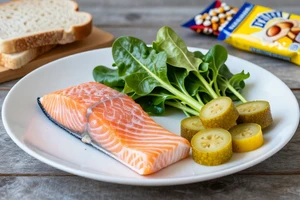
Moreover, many processed foods contain added sugars and refined oils that require specific enzymatic pathways. The constant demand for the same few enzymes can lead to relative deficiencies in others—particularly lipase (for fat digestion) and proteases (for protein digestion). When you eat a steak salad with a side of raw sauerkraut, you are giving your digestive system enzymatic help from the food itself. When you eat a frozen burrito with processed cheese sauce, you are demanding everything from your own internal supply.
This habit is not about complete avoidance—it is about balance. The occasional processed meal is fine, but if it is the foundation of your diet, your enzyme levels will likely reflect it.
None of these habits are rare, and you probably recognize at least two in your own routine. The key is not perfection. You do not need to chew each bite 50 times or drink only room temperature water. Small shifts—slowing down at meals, managing stress, spacing out your water intake, and adding a few whole foods to your plate—can go a long way toward preserving your body’s natural enzyme capacity.