
You think about what you eat. You try to sleep enough. You might even take a probiotic now and then. But what if the real problem isn't what you're adding to your day — but the quiet, repetitive habits that are systematically shrinking your gut microbiome diversity without you noticing a thing?
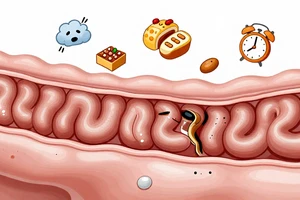
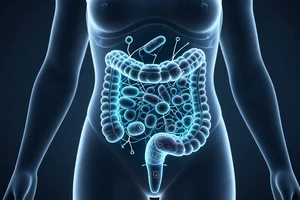
Diversity in your gut isn't a luxury. It's a resilience factor. A more varied microbial community is linked to better digestion, stronger immune signaling, and even more stable mood regulation. When that diversity drops, it's often not because of a single huge event — it's because of the small daily choices that add up over months and years. Here are four of the most common offenders that fly under the radar.
1. Eating the same handful of "safe" foods every single day
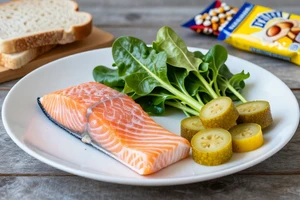
Variety has been the mantra of healthy eating for decades, but in practice, many of us fall into a deeply repetitive rotation. Maybe it's oatmeal and a banana for breakfast, a chicken salad for lunch, and salmon with broccoli for dinner. Reliable, clean, and — from a microbial perspective — boringly narrow.
Different bacteria species feed on different types of fiber and resistant starches. When you rotate through only a small pool of plant foods, you're essentially feeding only a small fraction of your microbial community. The rest gradually decline because their preferred fuel never shows up.
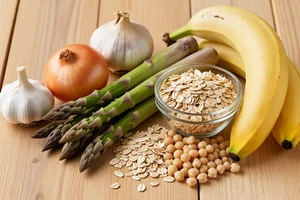
A general benchmark to keep in mind: Aim for roughly 30 different plant foods per week — including vegetables, fruits, legumes, whole grains, nuts, seeds, herbs, and spices. That number isn't arbitrary; observational research points to this threshold as a rough marker for gut diversity. You don't need to count obsessively, but if you look back at your week and see the same five ingredients showing up over and over, it's a sign your gut might be underfed.
2. Relying on artificial sweeteners for "healthier" drinks and snacks
This one tends to surprise people because zero-calorie sweeteners are typically marketed as gut-friendly alternatives to sugar. But the evidence has been shifting. Certain non-nutritive sweeteners — such as sucralose, saccharin, and aspartame — have been shown in both animal and human studies to alter the composition and function of the gut microbiota. They don't just pass through unabsorbed; they interact with the bacteria directly.
Some individuals experience a significant drop in beneficial bacterial strains after regular consumption. The effects are not the same for everyone, but the pattern is clear enough that it's worth treating artificial sweeteners as a potential disruptor rather than a neutral swap. If you're having diet soda or sugar-free flavored water multiple times a day, it may be quietly reshaping your microbial landscape.
3. Letting your sleep schedule drift — even on weekends
The gut microbiome operates on its own rhythm, but that rhythm is heavily influenced by your circadian clock. When you eat, when you sleep, and when you're exposed to light all send signals that affect which microbial species thrive and which ones get suppressed.
Even mild, chronic sleep disruptions — like going to bed two hours later on Friday and Saturday — can confuse the microbial community. Studies have shown that irregular sleep schedules are associated with lower bacterial diversity. The mechanism isn't fully mapped, but it appears tied to shifts in cortisol, melatonin, and meal timing. The bacteria aren't checking the calendar; they're reading the hormonal environment. When that environment wobbles back and forth, sensitive strains may not survive as well.
The fix is not about perfect sleep. It's about consistency. Keeping your wake-up time within a roughly one-hour window — even on your days off — can stabilize the cues your gut uses to maintain a balanced microbial ecosystem.
4. Over-cleaning with antimicrobial everything
Hygiene matters. But the line between reasonable cleanliness and over-sanitization has become blurred in modern life. Antimicrobial soaps, hand sanitizers used dozens of times a day, and household cleaners that promise to kill 99.9% of bacteria may be doing more than removing harmful pathogens — they may also be reducing your exposure to commensal (beneficial) microbes that your immune system and gut rely on for training and diversity.
This doesn't mean abandoning hand washing. It means being strategic. Plain soap and water are sufficient for routine hand hygiene. Antimicrobial additives (like triclosan, which has been largely phased out but still appears in some products, or more common substitutes like benzalkonium chloride) aren't necessary for most daily situations. Additionally, a sterile home environment can limit the incidental microbial exposure that helps maintain a broadly trained immune system — one that doesn't overreact to harmless substances.
All four of these habits share a common pattern: they seem either neutral or beneficial on the surface, and their effect on the gut unfolds slowly. That makes them easy to overlook. But small shifts — like adding three new vegetables to your weekly rotation, switching to unsweetened beverages, stabilizing your sleep timing, and using plain soap — can tilt the balance back toward a richer, more resilient microbiome over time.