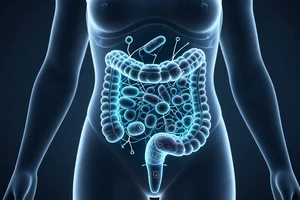
That uncomfortable, stretched-full feeling after eating isn't always what you ate. Sometimes, the culprit is hiding in plain sight — in the small, repetitive things you do every single day. Bloating after meals is a common signal from your digestive system, but ignoring the daily habits that amplify it can turn an occasional discomfort into a persistent problem.
Understanding these triggers is the first step toward calmer digestion. Let's look at four daily habits that research and clinical experience link to worse post-meal bloating, and what to do about them.
1. Drinking ice water or iced beverages with meals
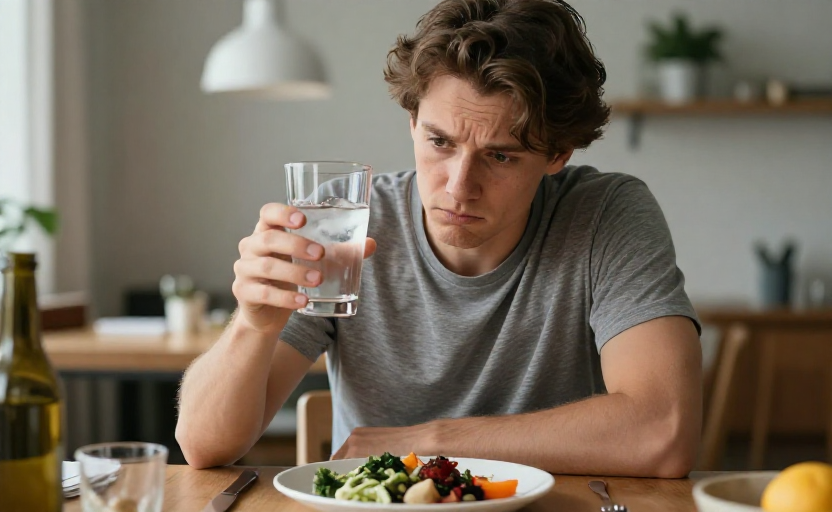
A cold drink during a hot meal might feel refreshing, but your digestive system works best at a steady, warm temperature. When you gulp down ice water or an iced tea alongside your food, the sudden drop in temperature can cause your stomach muscles to contract more slowly. This slows down the entire digestive process, giving food more time to sit in your gut and ferment — which means more gas and that tight, bloated feeling.
What to try instead: Swap icy drinks for room-temperature or warm water, especially during meals. A cup of hot ginger or peppermint tea after eating can actually help move things along.
Think of your digestive tract like a warm engine. Pouring cold liquid into it is like throwing cold water on a hot engine — it doesn't run as smoothly.
2. Skipping breakfast or eating very late dinners
Your digestive system operates on a rhythm. When you skip breakfast, your body's natural wave-like muscle contractions (migrating motor complexes) that sweep residual food and bacteria out of your small intestine don't get activated properly. That debris can build up, leading to bloating later when you finally eat. On the flip side, eating a large meal too close to bedtime — within two to three hours — means your digestion is still active when your body wants to rest. Gravity isn't on your side, and gastric emptying slows down, trapping gas and food higher in the abdomen overnight and into the next morning.
What to try instead: Aim to eat your first meal within two hours of waking, even if it's small. Try to eat your final meal at least three hours before you go to sleep.
3. Eating while distracted
Scrolling through your phone, watching a show, or working through lunch all rob your digestive system of the attention it needs. When you eat while distracted, you tend to chew less thoroughly and swallow more air. That swallowed air, known as aerophagia, is a direct path to bloating — it fills your stomach and intestines with gas before your meal even has a chance to digest.
On top of that, your brain doesn't get the proper signals from your stomach that you're full. A meal that should have felt comfortable ends up being too large, simply because you weren't paying attention to your body's cues.
- Chew more thoroughly: Aim for 20–30 chews per bite. This pre-digests food and reduces the surface area for fermentation later.
- Put down the fork between bites.
- Set a timer for 20 minutes and try to make your meal last that long.
4. Drinking carbonated beverages (even sparkling water)
It's easy to assume that sparkling water or diet soda is harmless for digestion, but the carbonation is a direct source of gas. The bubbles are filled with carbon dioxide, which accumulates in your stomach. For some people, the gas is easy to burp out. For many others — especially those with slower digestion or a tendency toward bloating — that gas travels further into the small intestine and can cause significant distension and discomfort.
This habit is especially problematic when paired with meals because the gas combines with the volume of food and any fermentation gases, creating a snowball effect.
What to try instead: Choose still (non-carbonated) water, herbal teas, or water infused with slices of cucumber or lemon. Let sparkling beverages be an occasional treat, not your main source of hydration.
The bigger picture: stress and posture matter too
These four habits don't exist in a vacuum. Stress activates your sympathetic nervous system (the fight-or-flight response), which redirects blood flow away from your digestive tract. Posture — especially slouching in a chair right after a meal — can compress your stomach and intestines, physically making it harder for gas to pass. If you already struggle with bloating, try to eat in a relaxed setting and sit upright or take a gentle walk (not a vigorous run) for 10–15 minutes after eating.
When to talk to a healthcare provider
While these daily habits can worsen bloating, persistent or severe bloating — especially when accompanied by pain, changes in bowel habits, or unexplained weight loss — deserves a medical evaluation. Conditions like irritable bowel syndrome (IBS), small intestinal bacterial overgrowth (SIBO), or food intolerances can also cause bloating and may require specific dietary or medical management.
You don't need to overhaul everything at once. Pick one habit to adjust this week. Your gut will thank you for the small, steady changes.