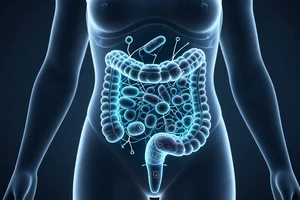

Living with irritable bowel syndrome often feels like a guessing game. You might be carefully avoiding spicy foods and greasy takeout, yet the bloating, cramping, and urgency still show up without warning. The frustrating truth is that several common daily habits can quietly aggravate your gut, even when your main meals seem perfectly safe.
Below are four habits that could be triggering your IBS symptoms without you realizing it. Recognizing them is the first step toward calmer digestion.
1. Chewing sugar-free gum or eating "low-sugar" snacks
It sounds like a healthy choice — sugar-free gum freshens breath and helps with cravings. But many sugar-free products rely on sugar alcohols (polyols) such as sorbitol, xylitol, and mannitol. These compounds are poorly absorbed in the small intestine and ferment rapidly in the colon, producing gas and drawing water into the bowel. For someone with IBS, this can mean instant bloating, diarrhea, or both.
Chewing gum also makes you swallow extra air, which adds to abdominal distension. If you notice discomfort after using mints, chewing gum, or eating "low-sugar" protein bars, check the label for ingredients ending in -ol.
A simple swap: choose regular gum or mints with real sugar in small amounts, or simply skip the gum. Your gut will thank you.
2. Drinking coffee on an empty stomach first thing
Morning coffee is a ritual for millions, and for good reason — it helps you wake up. But taken on an empty stomach, coffee (even decaf) stimulates the gastrocolic reflex, which tells your colon to start moving. In people with IBS, this reflex is often hyperactive. The result? Sudden urgency, loose stools, or abdominal cramping within 30 minutes of your first sip.
Compounding the issue: coffee also relaxes the lower esophageal sphincter and stimulates acid production, which can worsen heartburn — a common companion to IBS. Adding milk or creamer introduces lactose, another potential trigger for those with sensitivities.
What to try instead: Eat a small, low-fiber breakfast first — a slice of sourdough toast or a banana — then have your coffee with or after the meal. This buffers the gut and reduces the abrupt colonic response.
3. Eating too fast — even healthy food
Rushing through meals is one of the most overlooked IBS triggers. When you eat quickly, you swallow more air (aerophagia), which leads to trapped gas and bloating. More importantly, your digestive system needs time to signal fullness and to begin breaking down food properly in the mouth. Skipping this phase forces the intestines to work harder.
A 2021 study in Nutrients found that mindful eating — slowing down, chewing thoroughly, and pausing between bites — significantly reduced IBS symptoms in participants compared to their usual eating speed. It takes about 20 minutes for your brain to register fullness; giving your gut less time than that often leads to overeating and fermentation of undigested food in the colon.
Practical change: Set a timer for 15 minutes and aim to still be eating when it goes off. Put your fork down between bites. Chew each mouthful 20–30 times, especially for fibrous vegetables and whole grains.
4. Using straws and drinking carbonated beverages
It seems like a harmless convenience, but drinking through a straw introduces a surprising amount of air into your digestive tract. Each sip pulls in air along with the liquid. Over the course of a day, this trapped air accumulates and distends the abdomen. Carbonated drinks — sparkling water, soda, beer — add even more gas directly into the stomach.
For someone without digestive issues, this might just cause a few burps. For an IBS patient, the extra gas can trigger pain, bloating, and an urgent need to pass gas that may be difficult to control. Even "healthy" sparkling water or kombucha can be problematic if consumed regularly.
Better alternatives: Drink water, herbal tea (non-carbonated), or flat mineral water from a glass or bottle, not a straw. If you enjoy fizz, limit it to one small glass per day, and drink it slowly.
A note on hidden triggers
IBS is complex and highly individual. While these four habits are common culprits, keep a food-and-symptom diary for two weeks to identify your personal triggers. Note not just what you ate, but how you ate it, what you drank, and your stress level at the time. Patterns often emerge that surprise even long-time sufferers.
Small adjustments in daily routines can yield big improvements. You don't have to overhaul everything at once — pick one habit from this list to change for a week and see how your gut responds.