
You train hard, eat clean for the most part, and prioritize sleep. So why does your digestion still feel off after meals? For active adults, the connection between diet and gut health isn't always intuitive. You might be fueling performance but neglecting the microscopic ecosystem that controls everything from nutrient absorption to your immune system.
Here are four common mistakes active adults make when eating for gut health—and how to avoid them.
1. Relying too heavily on processed protein shakes and bars
Convenient protein is a staple for anyone with an active schedule, but many bars and powders are engineered for shelf stability, not digestive harmony. They often contain sugar alcohols (like erythritol or maltitol), artificial sweeteners, and isolated protein sources that lack the natural enzymes and cofactors found in whole foods. Over time, this can irritate the gut lining and disrupt the balance of beneficial bacteria.
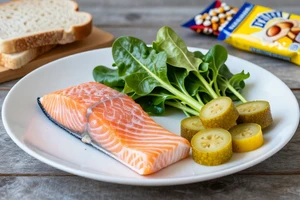
A better approach is to rotate your protein sources. Stick with a simple whey isolate (if you tolerate dairy) or a plant-based powder with minimal ingredients. Prioritize whole-food protein like eggs, fish, Greek yogurt, or legumes for at least half your daily intake. Your microbiome will thank you for the fiber and phytonutrients that processed powders simply don't provide.
2. Ignoring the role of fermented foods
Many active adults load up on fiber—and that's good—but skip the live cultures that help digest that same fiber. Fermented foods are one of the most overlooked tools for gut health. They introduce beneficial bacteria (probiotics) directly into your digestive tract, which can improve digestion, reduce inflammation after exercise, and even enhance nutrient absorption.
You don't need a fancy supplement. A serving of plain kefir, sauerkraut (look for refrigerated, unpasteurized jars), kimchi, or miso can make a meaningful difference. Try adding a spoonful of sauerkraut to your lunch bowl or drinking a small glass of kefir post-workout. Your gut bugs will use these live cultures to break down what you ate and produce short-chain fatty acids that support intestinal health.
Quick tip: Start small—one tablespoon of sauerkraut or two ounces of kefir per day—then gradually increase. Your gut needs time to adapt to new live cultures.
3. Overdoing polyols and insoluble fiber around workouts
You know fiber is essential for gut health, but not all fiber is created equal, and timing matters. Many active adults load up on high-fiber snacks (like raw almonds, broccoli, cauliflower, or fiber bars with chicory root) right before or after a workout. This can lead to bloating, cramping, and unpredictable energy slumps.
The problem is two-fold. First, insoluble fiber speeds digestion and can cause GI distress when your body is already shunting blood flow to muscles. Second, sugar alcohols (polyols) common in “low-sugar” sports nutrition are poorly absorbed and ferment rapidly in the colon, producing gas and discomfort.
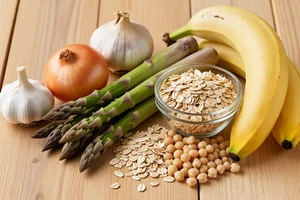
Instead, time your fiber strategically. Eat easy-to-digest carbohydrates—like bananas, white rice, or cooked sweet potatoes—around your workout window. Reserve high-fiber vegetables and nuts for meals at least two hours before exercise or an hour after. This keeps your digestive system calm without sacrificing the long-term benefits of a high-fiber diet.
4. Skimping on prebiotic variety
Probiotics get all the press, but prebiotics—the food for your good gut bacteria—are just as critical. A common mistake is eating the same few sources of fiber every day: maybe oatmeal for breakfast, an apple for lunch, and broccoli at dinner. While those are fine choices, your microbiome thrives on diversity. Different bacteria feed on different types of fiber, so a narrow diet can leave some beneficial species underfed.
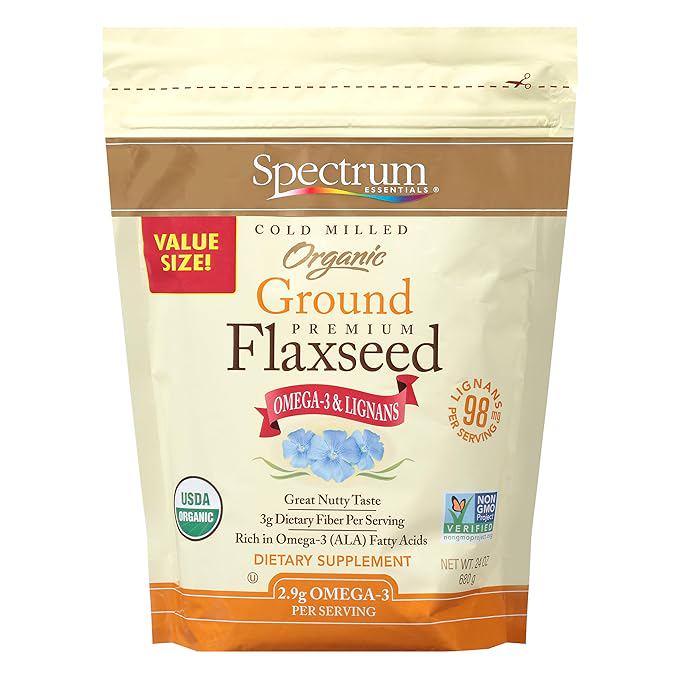
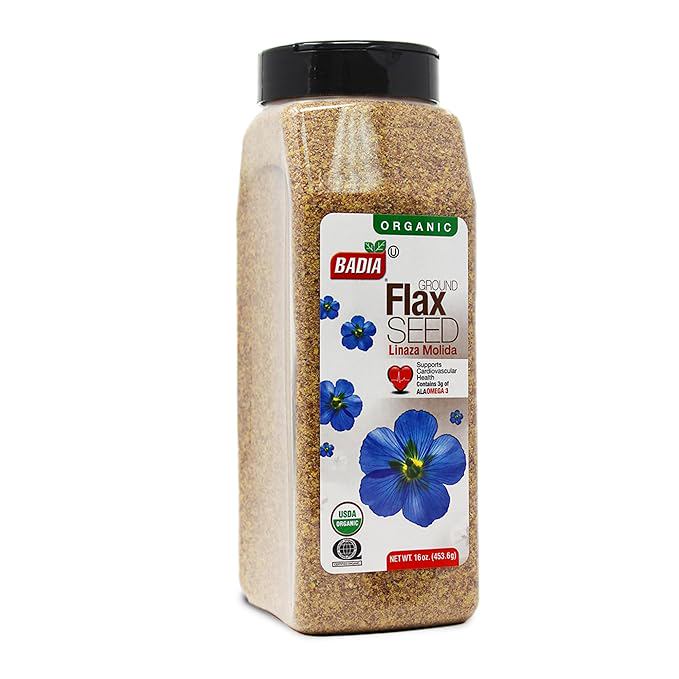
To expand your prebiotic variety, rotate your grains (switch oats for quinoa or barley), include legumes (lentils, chickpeas) a few times a week, and add less common vegetables like Jerusalem artichokes, leeks, garlic, and dandelion greens. Even a sprinkle of ground flaxseed or psyllium husk on your yogurt provides a different fiber profile than what you might already be eating.
Aim to eat at least 20 to 30 different types of plant foods over the course of a week. This isn't about strict counting—just a mental reminder to mix up your produce aisle choices. A diverse gut ecosystem is more resilient, better at reducing inflammation, and more efficient at extracting energy and nutrients from your food.
A healthier gut doesn't require a complete overhaul of your routine. Small, targeted changes—like adding a fermented food, varying your fiber sources, and being mindful of what you eat around exercise—can reduce digestive discomfort and support your overall performance. Pay attention to how your body responds, and adjust accordingly.