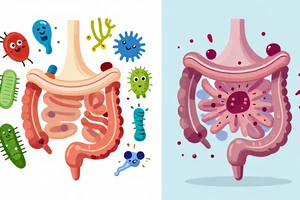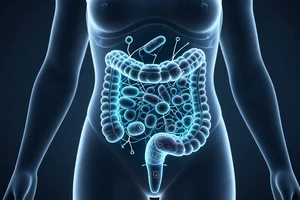

Your gut is home to trillions of bacteria, fungi, and other microbes that collectively form your microbiome. When this ecosystem is in balance, it supports digestion, immune function, mood regulation, and even energy levels. But for many busy adults, that balance is surprisingly fragile. The daily grind of work deadlines, family obligations, and constant connectivity can quietly chip away at your gut health without you realizing it.
Gut bacteria imbalance—medically known as dysbiosis—happens when harmful microbes outnumber beneficial ones. It can show up as bloating, irregular digestion, brain fog, skin issues, or a feeling of being run down. While there are many potential triggers, four specific patterns tend to emerge again and again in people with packed schedules. Understanding these causes is the first step toward restoring balance.
1. Chronic Stress and the Gut-Brain Connection
Stress is not just a mental state; it is a physiological event that directly alters your gut environment. When you are under pressure, your body releases cortisol and adrenaline. These hormones can reduce blood flow to the digestive tract, slow down or speed up motility, and change the mucus lining that protects intestinal cells.
Over time, chronic stress shifts the microbial population. Beneficial bacteria like Lactobacillus and Bifidobacterium tend to decline, while pro-inflammatory species increase. This creates a loop: a stressed gut sends distress signals back to the brain, which can amplify anxiety or irritability. For busy adults, this is especially relevant because many people live in a low-grade stress state without recognizing it as a biological trigger.
Short-term stress is normal; long-term stress restructures your gut microbiome in ways that favor inflammation.
You cannot eliminate all stress from your life, but you can build small resilience habits. Short walks after meals, deep breathing between meetings, and consistent sleep timing help dampen the cortisol response. Even five minutes of deliberate calm can make a difference over weeks and months.
2. Disrupted Sleep Patterns
Sleep and gut health are deeply intertwined. Your gut microbes operate on a circadian rhythm just like you do. When you consistently sleep fewer than seven hours or shift your bedtime erratically, you disrupt the timing cues that beneficial bacteria rely on to perform their nightly repair and maintenance tasks.
Research shows that even partial sleep deprivation can reduce microbial diversity within days. Lower diversity is linked to higher inflammation, poorer digestion, and weaker immune defenses. For the busy adult who routinely sacrifices sleep to catch up on work or social obligations, this is a hidden cost that compounds over time.
Bright light exposure late at night—especially from phones and laptops—also suppresses melatonin production. Since melatonin has antioxidant effects in the gut and helps regulate gut motility, low levels can further contribute to imbalance. The fix is not complicated, but it requires consistency: aim for a dark, quiet bedroom, keep a regular wind-down routine, and avoid screen use within 45 minutes of bedtime.
3. Dietary Shortcuts and Processed Foods
Busy schedules often mean convenience foods: granola bars, deli sandwiches, fast food, frozen meals, and sugary coffee drinks. These foods are typically low in fiber and phytonutrients but high in refined sugars, emulsifiers, artificial sweeteners, and preservatives. Each of these components can directly harm beneficial gut bacteria.
Artificial sweeteners like sucralose and saccharin have been shown to alter gut bacterial composition in ways that impair glucose metabolism. Emulsifiers, common in packaged sauces and dressings, can thin the protective mucus layer in the intestines, allowing bacteria to get too close to gut tissue and trigger immune reactions. Meanwhile, a lack of fermentable fiber—the preferred food for beneficial bacteria—starves the good microbes, causing them to die off.
This does not mean you need a perfectly clean diet every day. The goal is to strategically add fiber-rich foods where you can. A handful of almonds, an apple, leftover beans from dinner, or a packet of oatmeal are all portable, low-effort options that feed your microbiome. Fiber diversity matters more than fiber quantity, so try to rotate your sources across the week.
4. Frequent or Unnecessary Antibiotic Use
Antibiotics are powerful tools against bacterial infections, but they are not selective. A course of broad-spectrum antibiotics can wipe out large portions of your gut bacteria, including beneficial strains, within 24 hours. Full recovery of the microbiome after a single course can take months—and sometimes the community never returns to its original composition.
Busy adults often face pressure to recover quickly from illness and may request antibiotics for viral infections like colds or sinus congestion. This not only fails to treat the underlying virus but also delivers an unnecessary blow to the gut ecosystem. The same principle applies to antibacterial soaps and hand sanitizers containing triclosan, which can disrupt skin and gut bacteria when used excessively.
If you do need antibiotics—because of a confirmed bacterial infection—finish the full course as prescribed. During and after treatment, prioritize fermented foods like yogurt, kefir, sauerkraut, or kimchi. These provide live microbes that can help repopulate your gut more quickly. Avoid the temptation to take antibiotics "just in case" or for minor ailments that resolve on their own.
These four causes—stress, poor sleep, processed foods, and antibiotic overuse—overlap and reinforce each other. A stressful week leads to worse sleep, which leads to more convenience eating, which weakens the immune system, which may prompt antibiotic use. Recognizing the pattern is empowering because it gives you specific, actionable levers to pull. You do not need a total lifestyle overhaul to protect your gut health. Start with one change that feels doable, and let the benefits build from there.