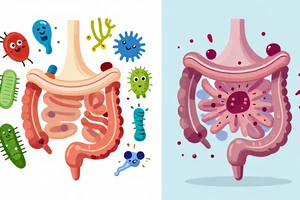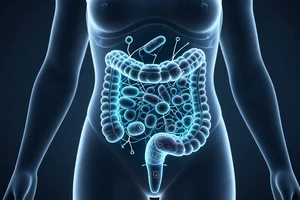

Your gut is home to trillions of bacteria, fungi, and other microbes that play a central role in digestion, immunity, and even mood. When your microbiome has a wide variety of these organisms—a state called high diversity—it tends to be more resilient and better at performing its jobs. The most reliable way to support that diversity is also one of the most straightforward: eat more fiber. But not just any fiber, and not just from any source.
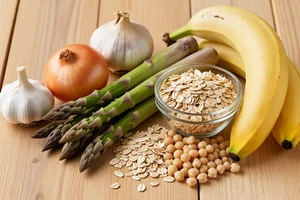
The kind of fiber that feeds your gut’s beneficial bugs is called prebiotic fiber. When you eat it, your gut bacteria ferment it into short-chain fatty acids (SCFAs) like butyrate, which reduce inflammation and strengthen the intestinal barrier. Different fibers feed different microbes, so variety in your fiber sources is the key to a diverse gut community. Here are three foods that deliver the broad-spectrum prebiotic punch your microbiome needs.
Jerusalem Artichokes (Sunchokes)
Though they look like knobby ginger root, Jerusalem artichokes are actually a type of sunflower tuber. They are one of the richest dietary sources of inulin, a prebiotic fiber that passes undigested to the colon, where it selectively stimulates the growth of Bifidobacterium and Lactobacillus—two genera closely linked with metabolic and immune health.
A single cup of raw Jerusalem artichokes provides roughly 2.4 grams of fiber, but the effect is outsized because it is almost entirely inulin. Research indicates that inulin consumption increases gut microbial diversity and elevates SCFA production. If you have not tried them before, introduce them slowly; inulin can cause bloating or gas in sensitive guts.
To use them: slice raw into salads for a crisp, water-chestnut texture, or roast them with olive oil and rosemary until tender and slightly caramelized. Avoid boiling, which leaches the inulin into the water.
Lentils
Lentils are a dual fiber source: their cell walls contain insoluble fiber that supports regularity, and they also deliver significant soluble prebiotic fibers, including galacto-oligosaccharides (GOS) and resistant starch. A half-cup of cooked lentils supplies about 7.8 grams of fiber, making them one of the highest-fiber legumes per serving.
GOS has been shown in clinical trials to boost Bifidobacterium levels as effectively as some purified prebiotic supplements. Lentils also contain polyphenols (flavonoids and phenolic acids) that act as additional microbial fuel. In a 2017 randomized controlled trial, participants who ate a daily serving of legumes (including lentils) for eight weeks showed significant increases in beneficial bacteria and decreases in inflammation markers.
Unlike many high-fiber foods, lentils do not require soaking. Just rinse them and simmer for 15–30 minutes depending on the variety. Add them to soups, stews, grain bowls, or even blend cooked lentils into veggie burgers for a fiber boost.
Green Bananas (and Cooked-and-Cooled Potatoes)
This one is less about the food itself and more about how you eat it. Green bananas and cooked-then-cooled potatoes are both rich in resistant starch—a type of carbohydrate that resists digestion in the small intestine and feeds the gut microbiome in the colon.
A medium green banana provides roughly 5–6 grams of resistant starch (a ripe banana has less than 1 gram). With each cooling cycle, boiled or roasted potatoes recrystallize into resistant starch; one cup of cooled potato salad can contain up to 4 grams. Resistant starch is particularly good at boosting Roseburia and Eubacterium rectale, two butyrate-producing species that are often low in people with low gut diversity.
Green bananas have a firm, starchy texture rather than sweet. You can eat them sliced in savory salads, boil them como a side dish, or blend them into smoothies for a prebiotic boost.
For potatoes: boil or roast them, let them cool fully (refrigerate overnight if possible), then eat them cold or gently reheated. The cooling step is critical—it recrystallizes the starch into a resistant form. Reheating to a low temperature retains most of the resistant starch, but high heat (above 130°F or 54°C) will break it down again.
How to Make These Foods Work Together for a Diverse Microbiome
The three foods above each bring a distinct type of prebiotic fiber—inulin, GOS, and resistant starch—that feed overlapping but different bacterial communities. Rotating through them across your weekly meals is more likely to increase overall microbial diversity than eating just one of them daily.
One approach: try a resistance-starch-rich breakfast (green banana smoothie), a lentil-based lunch, and a dinner featuring roasted Jerusalem artichokes as a side. Over the course of a week, aim for at least three different high-fiber sources per day from the broader categories of legumes, tubers, fruits, vegetables, and whole grains.
It is also worth noting that drinking adequate water and increasing fiber gradually (adding one serving every 3–4 days) helps minimize digestive discomfort while your gut adapts.
A diet that prioritizes diverse prebiotic fibers from whole foods is one of the most evidence-backed strategies for supporting a thriving gut microbiome. Jerusalem artichokes, lentils, and green bananas (plus cooled potatoes) each bring something different to the table—literally. Give your gut variety, and it will reward you with better diversity and more butyrate.