If you live with irritable bowel syndrome, you know the search for relief can feel relentless. One meal can bring on bloating and cramping, while another seems harmless — and the triggers shift without warning. While diet adjustments are a cornerstone of managing IBS, what you drink matters just as much as what you eat. Many common beverages — coffee, soda, sugary juices — can aggravate the gut. But a few carefully chosen drinks may actually help calm symptoms.
Below are three gut-friendly drinks worth considering if you experience IBS discomfort. They are not cures or prescriptions, but many people find them helpful as part of a broader, balanced approach to digestive health.
1. Peppermint Tea: A Classic for a Reason
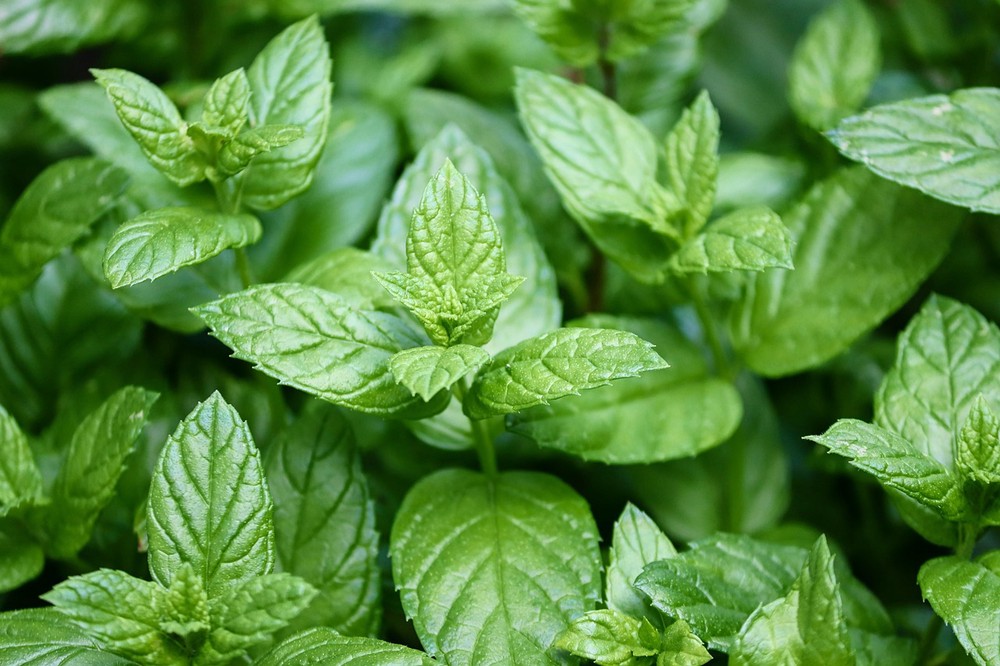
Peppermint tea has a long reputation as a digestive aid, and some research backs it up. The key compound, menthol, has a natural antispasmodic effect on the smooth muscle of the digestive tract. For people with IBS, particularly those whose symptoms include cramping and visceral pain, a warm cup of peppermint tea can feel genuinely soothing.
One small randomized controlled trial found that peppermint oil capsules reduced abdominal pain and bloating in IBS patients. While tea contains a lower concentration than oil, it still delivers enough menthol to offer gentle relief for some individuals. Plus, the ritual of sipping something warm can itself prompt relaxation, which may indirectly calm the gut.
Tip for sensitive stomachs: If you have a history of acid reflux or GERD, peppermint may relax the lower esophageal sphincter and worsen heartburn. In that case, skip this one.
2. Ginger Tea: Anti-Inflammatory Support
Ginger has been used for centuries in traditional medicine to treat nausea and digestive sluggishness. Modern research shows that ginger contains bioactive compounds — gingerols and shogaols — that reduce inflammation in the gut and may help speed gastric emptying. For IBS patients, especially those with bloating or post-meal upper digestive discomfort, ginger tea can be a gentle, non-stimulating alternative to coffee or black tea.
A 2022 systematic review of herbal remedies for functional dyspepsia and IBS noted ginger's potential to reduce gastric sensitivity and improve motility. While not a definitive cure, adding a slice of fresh ginger to hot water or using a high-quality ginger tea bag is a simple, low-risk strategy many find supportive.
How to use it: Steep about 1 teaspoon of grated fresh ginger root in boiling water for 5–10 minutes. Strain and sip slowly.
3. Low-FODMAP Broth: Hydration Without Triggers
Hydration is critical for digestive health, but plain water can sometimes feel harsh on a sensitive gut. For many people with IBS, especially during flare-ups, a warm, savory broth made from low-FODMAP vegetables or bones can be both comforting and hydrating. Bone broth, in particular, is rich in gelatin and amino acids like glutamine, which may support the integrity of the intestinal lining.
While the evidence directly linking broth to IBS symptom reduction is limited, the practice of consuming clear, low-FODMAP liquids can help maintain fluid balance without introducing common triggers like onion, garlic, or high-fructose vegetables. Commercial broths vary widely — many contain onion or garlic powder, which are high-FODMAP. Look for organic or plain versions with no added flavorings, or make your own at home.
Reader note: If you follow a low-FODMAP diet, check labels carefully. Onion and garlic are two of the most common IBS triggers found in prepared broths.
How to Choose What's Right for You
IBS is highly individual. A drink that works for one person might trigger symptoms in another. Here are a few general guidelines when experimenting with these options:
- Start with one drink at a time. Try a small cup on an empty stomach or between meals and note how you feel over the next hour.
- Avoid added sweeteners. Many artificial sweeteners (sorbitol, xylitol, sucralose) can worsen bloating and diarrhea. Stick with unsweetened versions.
- Watch the temperature. Very hot or very cold drinks can sometimes stimulate bowel urgency in sensitive individuals. Warm or room-temperature is usually safest.
None of these drinks replaces the advice of a healthcare professional, especially a registered dietitian who can tailor recommendations to your specific IBS subtype (constipation-predominant, diarrhea-predominant, or mixed). But as supportive tools, they are gentle, low-risk, and rooted in both tradition and emerging science.
If you are curious, grab a fresh root of ginger or a box of pure peppermint tea and see how your body responds. Sometimes the simplest adjustments make the biggest difference.