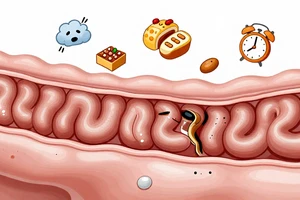
If your morning routine feels like a race against the clock, breakfast often becomes an afterthought — something grabbed between sips of coffee and the first wave of emails. But the choices you make in that first meal ripple through your entire day, especially when it comes to your gut. A breakfast that skimps on fiber is a missed opportunity to feed the trillions of bacteria living in your digestive tract. Those microbes don't just help you digest food; they influence your mood, your immune system, and even your energy levels.
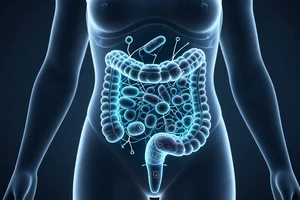
Prebiotic fibers are the unsung heroes here. Unlike probiotics, which are live bacteria you can eat (think yogurt or kimchi), prebiotics are specific types of fiber that act as fertilizer for the good bugs already living in your gut. They resist digestion until they reach your colon, where they become a feast for beneficial bacteria like Bifidobacteria and Lactobacilli. When these bacteria ferment prebiotic fiber, they produce short-chain fatty acids, which strengthen the gut barrier, reduce inflammation, and help regulate appetite.
The problem is that most of us don't get nearly enough prebiotic fiber. The average American diet is heavy on processed foods and low on the plant compounds that support a healthy microbiome. But you don't need a complicated meal plan or expensive supplements to correct this. A few simple, delicious breakfast swaps can make a real difference. Below are three gut-friendly breakfast ideas that are rich in prebiotic fibers and easy to fit into your morning.
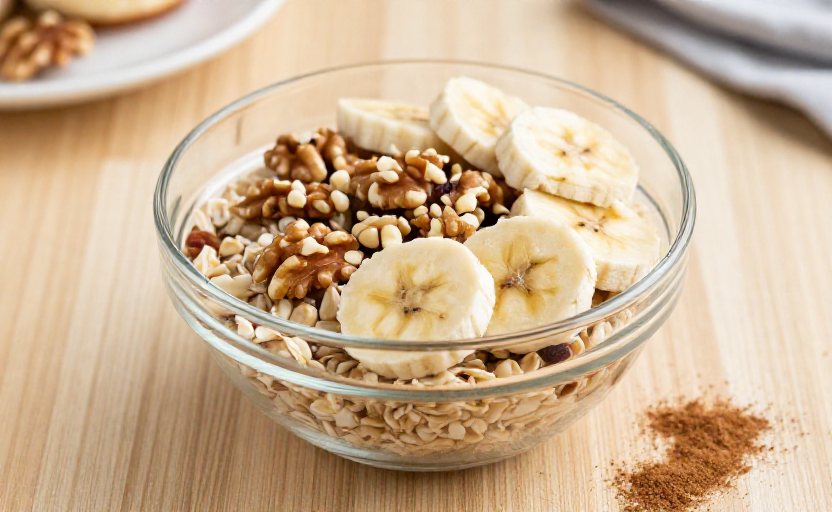
1. Overnight Oats with Banana and Walnuts
Oats are a classic breakfast choice for a reason, but they become a prebiotic powerhouse when you prepare them the right way. Rolled oats contain beta-glucan, a type of soluble fiber that has been well-studied for its cholesterol-lowering and immune-supporting effects. Beta-glucan also acts as a prebiotic, helping to stimulate the growth of beneficial gut bacteria.
To boost the prebiotic content further, mash half a banana into your overnight oats. Bananas that are still slightly green (or just starting to ripen) are particularly high in resistant starch, a type of starch that resists digestion and feeds gut bacteria. As the banana ripens, the resistant starch converts to simple sugars, so you get the most gut benefit from those firmer, greener bananas. Top your bowl with a tablespoon of chopped walnuts. Walnuts are not only a good source of omega-3 fatty acids, but they also contain polyphenols and fiber that have been shown to improve the diversity of the gut microbiome.
Try this: Combine ½ cup rolled oats, ½ cup unsweetened almond milk or dairy milk, 1 tablespoon chia seeds, and half a mashed banana. Stir, refrigerate overnight, and top with walnuts and a sprinkle of cinnamon in the morning. The chia seeds add even more soluble fiber and a pleasant gel-like texture.
2. Scrambled Eggs with Sautéed Onions and Asparagus
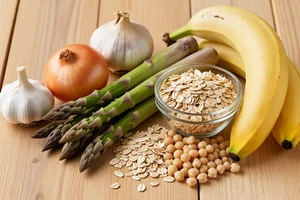
Eggs are a protein-packed staple, but they don't naturally contain fiber. The trick is to pair them with vegetables that are surprisingly high in prebiotics. Onions and leeks are some of the richest sources of inulin, a type of prebiotic fiber that feeds friendly bacteria and may help with calcium absorption. Asparagus also contains significant amounts of inulin, along with a fiber called FOS (fructooligosaccharides).
A simple savory scramble is an efficient way to get these foods in early. Sauté a handful of chopped onion or leek in a little olive oil until translucent. Add sliced asparagus spears and cook for another 2 to 3 minutes. Pour in two beaten eggs and scramble gently. The heat from cooking softens the fibers but does not destroy the prebiotic compounds. This breakfast is low in sugar, high in protein, and delivers a concentrated dose of plant fibers that your gut bacteria will use to produce those beneficial short-chain fatty acids.
If you are looking for a change from eggs, try this same vegetable mix tossed into a quinoa bowl. Quinoa is not a grain but a seed, and it provides a different type of fiber called pectin, which also has prebiotic effects. The key is to make vegetables the star, not just a garnish.
3. Greek Yogurt Parfait with Cooked Barley and Berries
A yogurt parfait is a quick breakfast, but the usual version — yogurt with sugary granola and fruit syrup — does very little for your gut. Swap the granola for cooked barley, and you turn this into a prebiotic-rich meal you'd be hard-pressed to beat. Barley is one of the best whole-grain sources of beta-glucan, even more concentrated than oats. It also contains resistant starch, especially if you cook it and let it cool slightly before eating. Cooling cooked grains increases their resistant starch content, making them even more beneficial for gut health.
Choose a plain, unsweetened Greek yogurt for its high protein and live probiotic cultures. The combination of yogurt (probiotics) and barley (prebiotics) is a classic example of synbiotics — a pairing where the prebiotic fiber specifically supports the survival and activity of the probiotic bacteria you are consuming. Top the parfait with a handful of fresh or frozen blueberries. Berries are low in fructose but rich in polyphenols and a small amount of soluble fiber. The polyphenols in berries are not digested in the small intestine; they travel to the colon, where gut bacteria break them down into compounds that can reduce inflammation.
To prepare the barley, cook a large batch in water or broth at the start of the week. Store it in the fridge. In the morning, layer a few spoonfuls of cold barley with yogurt and berries. A drizzle of raw honey (a small amount, about one teaspoon) adds sweetness and a dab of natural antimicrobial compounds, but it is optional. This parfait eats like a treat but works like a tonic for your microbiome.
Starting your day with prebiotic fiber does not require a pantry overhaul. It mostly involves choosing whole, plant-based foods that are already affordable and widely available. Oats, barley, onions, leeks, asparagus, bananas, walnuts, and berries — these are not exotic superfoods. They are the building blocks of a gut-centered diet that supports digestion, stabilizes energy, and keeps your microbiome thriving. Give one of these breakfast ideas a try tomorrow. Your gut bacteria will thank you, and you might just notice that you feel more satisfied and clear-headed until lunch.