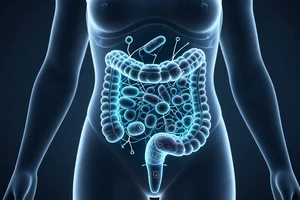
As we get older, the digestive system doesn't work quite as smoothly as it once did. Changes in stomach acid production, slower motility, and shifts in the gut microbiome can make mornings feel heavier than they used to. For older adults with digestive concerns—whether that means occasional bloating, constipation, or general sluggishness—breakfast is a critical moment to set the tone for the day.
The good news is you don't need a complicated menu or a long list of exotic ingredients. Simple, whole foods prepared with digestion in mind can make a real difference. Here are three breakfast ideas that focus on gentle fibers, natural moisture, and fermented goodness—all tailored to support comfortable digestion for older adults.
1. Cooked Oatmeal with Stewed Fruit and Ground Flaxseed
Raw oats can be tough on a sensitive stomach, but slow-cooked oats are a completely different story. When oats are cooked properly, they become soft and gelatinous, which is much easier for the digestive system to break down. This is particularly helpful for older adults who may have trouble with chewing or early satiety.
Why it works: Rolled or steel-cut oats provide soluble fiber, which absorbs water and forms a gel-like consistency in the gut. This helps regulate bowel movements by softening stool without causing irritation. The fiber also feeds beneficial gut bacteria, supporting a healthier microbiome. To make this breakfast even more gut-friendly, stew your own fruit. Simmer apples, pears, or prunes in a little water until they break down naturally. Stewed fruit is far gentler than raw fruit because the cooking process begins breaking down the fiber, making it easier to digest.
Add a tablespoon of ground flaxseed for a boost of omega-3 fatty acids and additional soluble fiber. Flaxseed also contains lignans, which have a mild prebiotic effect. Just be sure to grind the seeds yourself or buy them pre-ground—whole flaxseed can pass through the digestive system undigested, which defeats the purpose.
A simple preparation: Cook half a cup of rolled oats in water or low-lactose milk alternatives like almond or oat milk. Top with a few spoonfuls of stewed prunes or pears, a sprinkle of ground flaxseed, and a pinch of cinnamon (which may help regulate blood sugar). No added sugar needed.
2. Scrambled Eggs with Well-Cooked Spinach and a Side of Fermented Vegetables
Eggs are a staple for many older adults because they're soft, high in protein, and easy to prepare. But pairing them with the right vegetables is key for digestive health. Raw or lightly steamed cruciferous vegetables can cause gas and bloating in sensitive systems. Instead, choose spinach that's been wilted or cooked down until it's soft and reduced in volume.
Why it works: Cooking spinach thoroughly breaks down oxalic acid and makes the fiber more digestible. Spinach is also rich in magnesium, a mineral that many older adults are deficient in and that plays a role in normal muscle contractions—including those in the digestive tract. Getting enough magnesium can help prevent the sluggishness that leads to constipation.
The real star here, however, is the side of fermented vegetables. A small forkful of sauerkraut, kimchi, or pickled beets introduces live probiotics directly to the gut. Fermented foods help replenish the diversity of the gut microbiome, which naturally declines with age. The key is to keep the portion small (about one to two tablespoons) and to choose unpasteurized varieties from the refrigerated section of the grocery store, since pasteurization kills the beneficial bacteria.
A simple preparation: Scramble two eggs in butter or ghee (butter is generally well-tolerated in small amounts, and ghee is lactose-free). Add a handful of fresh spinach to the pan and cook until fully wilted. Serve with a small side of sauerkraut or kimchi. If the salt content of the fermented vegetables is a concern, rinse them briefly before serving.
3. Warm Smoothie Bowl with Low-gas Fruits and Collagen Peptides
Cold smoothies can be a shock to a sensitive digestive system first thing in the morning. The sudden cold can cause the stomach muscles to contract sharply, leading to discomfort or even cramping. A warm smoothie bowl solves that problem while still delivering the convenience and nutrient density of a blended breakfast.
Why it works: This approach focuses on fruits that are less likely to cause gas and bloating. Bananas (especially ripe ones with some brown spots), cantaloupe, and blueberries are all considered low-FODMAP options, meaning they contain fewer types of carbohydrates that are rapidly fermented by gut bacteria and cause gas. Cooking or warming the fruit further reduces its potential to cause bloating.
Blending itself is a form of mechanical predigestion—it breaks down cell walls and makes nutrients more accessible. For older adults who may have difficulty chewing or who experience early satiety, this can be a game-changer. The addition of collagen peptides provides protein in a form that's easily broken down by the stomach, supporting the repair of the gut lining without requiring a lot of digestive effort.
A simple preparation: Blend one ripe banana (frozen or room temperature), a small handful of blueberries, a tablespoon of collagen peptides, and warm water or lactose-free milk until smooth. Warm the liquid to about 100°F (not boiling) before adding it to the blender. Pour into a bowl and top with a few sliced almonds for crunch, if nuts are tolerated well. If not, skip the topping or use toasted pumpkin seeds instead.
These three breakfast ideas share some common principles: they rely on cooked or processed forms of fiber that are gentle on the system, they include sources of moisture to help keep things moving, and they incorporate ingredients that support the gut microbiome. For older adults with digestive concerns, these small adjustments can make breakfast a comfortable and nourishing start to the day.