
You train hard. You fuel for performance. But if your gut lining is compromised, all that effort can backfire.
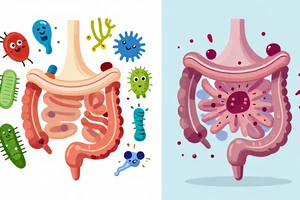
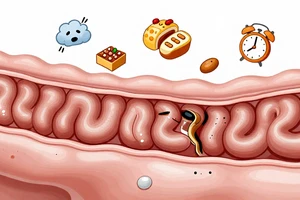
For athletes, the intestinal barrier faces unique stress: high-intensity exercise diverts blood flow away from the digestive tract, creating a temporary state of intestinal permeability often called "leaky gut." Over time, this can trigger low-grade inflammation, nutrient malabsorption, and slower recovery. The link between gut health and athletic performance isn't theory—it's physiology.
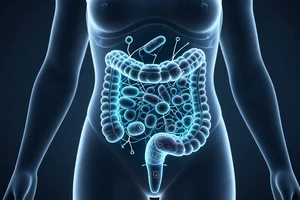
The protective layer of your gut acts like a security checkpoint. When it becomes too porous, bacterial fragments and undigested food particles can cross into your bloodstream, prompting an immune response that taxes your energy. The good news is that certain foods help reinforce that barrier. Here are three science-backed choices that deserve a spot in your daily nutrition plan.
1. Bone Broth or Collagen-Rich Proteins
Bone broth has moved beyond wellness trends into legitimate sports nutrition—and for good reason. It is one of the most accessible sources of glycine, proline, and glutamine, amino acids that serve as building blocks for the intestinal lining.
Glutamine, in particular, is the primary fuel source for enterocytes (the cells lining the gut). When you are under physical stress—like heavy training blocks or competition—glutamine reserves deplete quickly. Regularly consuming collagen-rich broth helps maintain the structural integrity of the tight junctions between gut cells.
You do not need to sip it by the quart. A cup of homemade or high-quality store-bought bone broth daily can provide a steady supply. For athletes who prefer a more convenient option, unflavored collagen peptides can be stirred into a post-workout smoothie or oatmeal.
A practical tip: Look for broth that has been simmered for at least 12-24 hours, which extracts more gelatin and amino acids from the bones.
2. Oats (Specifically, Cooked and Cooled)
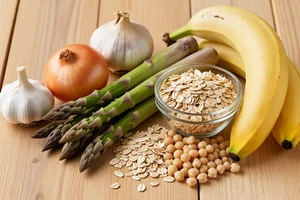
Oats do more than deliver slow-burning energy. They are rich in a type of soluble fiber called beta-glucan, which acts as a prebiotic—feeding the beneficial bacteria that produce short-chain fatty acids like butyrate. Butyrate is the primary energy source for colon cells and plays a direct role in tightening the gut barrier.
Here is the athlete-specific angle: repeatedly reheated or cooked-then-cooled oats develop resistant starch, a form of dietary fiber that resists digestion in the small intestine and ferments in the colon. This fermentation process boosts butyrate production even further.
- How to prep: Cook a batch of steel-cut or rolled oats once. Let them cool in the fridge overnight. Reheat individual portions throughout the week. Cooling increases the resistant starch content significantly.
- Why this matters for athletes: Resistant starch also moderates post-meal blood sugar spikes, providing steadier energy during long training sessions.
3. Fatty Fish (Salmon, Mackerel, Sardines)
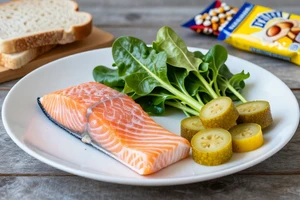
The omega-3 fatty acids in cold-water fish—EPA and DHA—are well known for reducing exercise-induced inflammation in muscles and joints. Less commonly discussed is their role in gut barrier integrity.
Omega-3s incorporate into the phospholipid bilayer of cell membranes throughout the body, including the cells lining the gastrointestinal tract. This makes the membranes more fluid and resilient. Studies have shown that higher omega-3 intake is associated with lower markers of intestinal permeability after intense exercise. In practical terms, that means less endotoxin leakage into the bloodstream and a calmer immune system post-workout.
Most athletes eating for performance could benefit from two to three servings of fatty fish per week. Canned wild salmon or sardines are excellent shelf-stable options for travel or busy training days.
How These Foods Work Together
These three foods support gut protection through different mechanisms. Collagen-rich proteins provide the amino acid pool for cell repair and tight junction maintenance. Oats (especially prepared for resistant starch) feed the microbiome to produce butyrate, which signals the cells to strengthen their bonds. Omega-3 fatty acids improve the structural quality of cell membranes, making the entire barrier more flexible and less prone to leaking.
When you combine all three in a day—perhaps bone broth with lunch, oats for breakfast, and salmon for dinner—you are addressing gut integrity from multiple angles. This is not about a single magic food; it is about layering protective inputs so your gut lining can withstand the repeated stress of sport.
Additional Factors That Deserve Attention
While food choices matter, athletes should also consider how they eat. Distracted eating—scrolling through your phone or rushing through a meal during a busy day—activates the sympathetic nervous system, which diverts blood flow away from digestion. Even the best gut-supportive foods are less effective if your body is in fight-or-flight mode when you eat.
Taking five minutes to sit down, breathe deeply once, and eat without screens can shift your nervous system into a parasympathetic state, where digestion and nutrient absorption are optimized.
Hydration also plays a role. Dehydration concentrates mucus in the gut, making the protective layer thinner and less effective. If you are training heavily, keeping water intake consistent throughout the day—not just during workouts—helps maintain the mucus barrier that sits on top of your gut cells.
Finally, be aware that overuse of NSAIDs (like ibuprofen) can directly damage the intestinal lining. If you rely on these for workout soreness, explore alternatives with your healthcare provider, as chronic use can undermine even a careful diet.