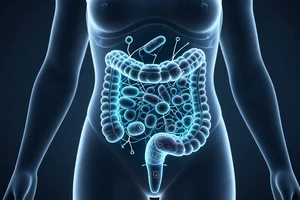
Your digestive system is a marvel of chemistry. Every time you eat, your stomach, pancreas, and small intestine release a carefully choreographed stream of enzymes that break down proteins, fats, and carbohydrates into absorbable nutrients. While the body is designed to handle this on its own, what you drink can either support or hinder that natural process.
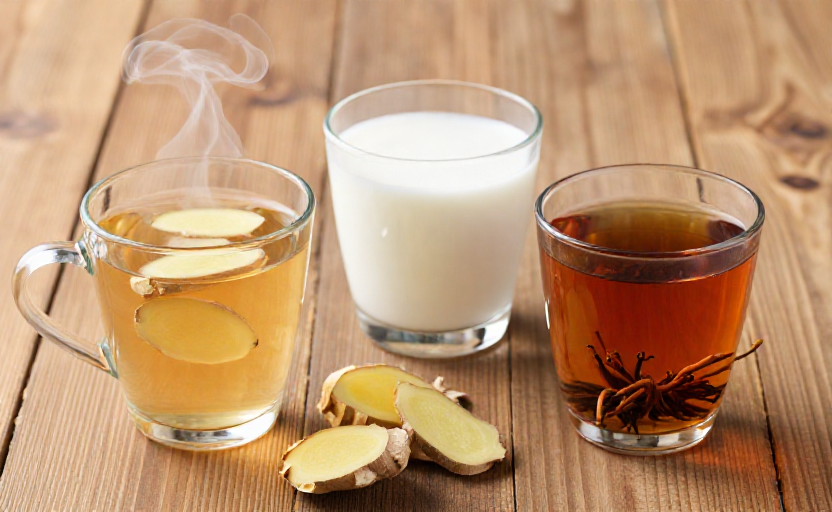
Instead of reaching for digestive aids or processed enzyme supplements, you might be surprised to learn that a few simple beverages can encourage your body's own enzyme production. Here are three drinks that work with your system—not against it.
1. Ginger Tea: A Warm Start for Digestion
Ginger has a long history in traditional medicine as a digestive aid, and modern research backs up many of those claims. The active compounds in ginger—gingerols and shogaols—appear to stimulate saliva, bile, and gastric enzyme secretion.
When you sip warm ginger tea before or after a meal, you're giving your digestive tract a gentle signal to prepare for work. The warmth itself may help relax the muscles of the gastrointestinal tract, while the gingerols promote the activity of lipase and amylase—enzymes that break down fats and starches.
Tip: Steep a few thin slices of fresh ginger root in hot water for five minutes. Avoid adding too much sweetener, as sugar can disrupt the enzyme balance you're trying to support.
Ginger tea is especially helpful if you tend to feel heavy or bloated after richer meals. It's not a cure-all, but as part of a mindful eating routine, it can be a supportive habit.
2. Kefir: Probiotics and Enzymes in One Glass
Kefir is a fermented dairy drink that offers a double benefit: it contains live probiotic bacteria and yeasts, and it also provides some pre-formed enzymes that can assist digestion. The fermentation process produces natural proteases, lipases, and lactase—the enzyme needed to break down lactose.
For people who are mildly lactose intolerant, kefir is often easier to digest than regular milk because much of the lactose is already broken down during fermentation. More importantly, the probiotics in kefir help maintain a healthy gut microbiome, which in turn supports your body's own enzyme production over the long term.
A healthy gut lining and balanced microbial community are prerequisites for efficient enzyme secretion. Think of kefir as a daily maintenance drink for your digestive ecosystem.
For a non-dairy option, water kefir or coconut kefir can offer similar probiotic benefits, though the enzyme profile will differ slightly.
3. Bitter Herbal Infusions (Gentian or Dandelion Root)
Bitter flavors are nature's way of waking up your digestive system. When your taste buds detect bitterness, the body reflexively increases saliva production and signals the stomach to release gastric juices, including pepsin and hydrochloric acid. This response is known as the “bitter reflex.”
Gentian root and dandelion root are two of the most studied bitter herbs for digestion. A small cup of their infusion before a meal can prime your stomach for what's coming.
Dandelion root, in particular, has been shown to increase the secretion of bile from the liver and gallbladder. Bile isn't an enzyme, but it's essential for fat digestion and helps create the right pH environment for pancreatic enzymes to work effectively.
- Gentian tea: Use about 1 teaspoon of dried root per cup of boiling water, steep for 10 minutes. It's very bitter, so start with a small amount.
- Dandelion root tea: Steep 1–2 teaspoons of dried root in boiling water for 10–15 minutes. It has a milder, earthier bitterness.
These infusions are best consumed 15 to 30 minutes before eating, not during or after the meal, because the bitter trigger is most effective on an empty stomach.
How to Incorporate These Drinks Without Overdoing It
Supporting digestion doesn't mean drinking these beverages at every meal or in large quantities. A single cup of ginger tea or bitter herb infusion before a heavy meal, or a small glass of kefir as part of your breakfast, is often enough to notice a difference.
Listen to your body. Some people are more sensitive to bitter herbs and may experience nausea if the dose is too strong. Kefir can cause temporary bloating in people who are new to fermented foods. Start with a small amount and increase gradually.
What Doesn't Help: Drinks That Inhibit Enzyme Activity
While these three drinks can support natural enzyme production, others can work against it. Excessive alcohol, very hot beverages (above 140°F or 60°C), and sugary sodas may temporarily reduce enzyme secretion or damage the delicate lining of the stomach. Stay hydrated with plain water as your base, and use these supportive drinks as intentional additions.
Digestive health is rarely about one single remedy. These drinks are tools, not cures. When combined with a balanced diet, adequate hydration, and regular eating patterns, they can help your body do what it already knows how to do—digest food efficiently and absorb the nutrients you need.