
When you think about gut health, you might picture kombucha, fermented foods, and a bowl of oatmeal. But for athletes—from weekend warriors to competitive runners—the daily routine often includes habits that quietly undermine the gut barrier. This isn't about poor diet in the usual sense. It's about the very practices athletes trust for performance: hydration timing, fueling strategies, and recovery protocols.
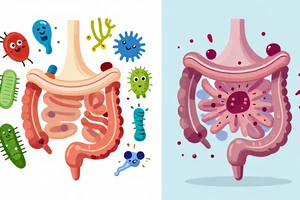
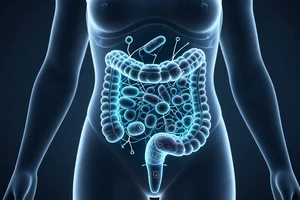
The gut barrier is a single layer of cells with tight junctions that act like a security gate. When those junctions loosen, a condition sometimes called 'leaky gut' can develop, allowing partially digested food particles and bacteria to pass into the bloodstream, triggering inflammation. Here are three common athlete habits that accidentally challenge that barrier—and what to do about it.
1. Drinking too much water, too fast, at the wrong time
Hydration is non-negotiable. But chugging large volumes of plain water on an empty stomach—especially right before or during exercise—can create a sudden osmotic shift in the gut. This distends the intestinal wall and stimulates a reflex that speeds up transit time, often leading to bloating, cramping, and even diarrhea. More importantly, rapid fluid intake can dilute the mucus layer that protects the gut lining, temporarily weakening its ability to block pathogens.
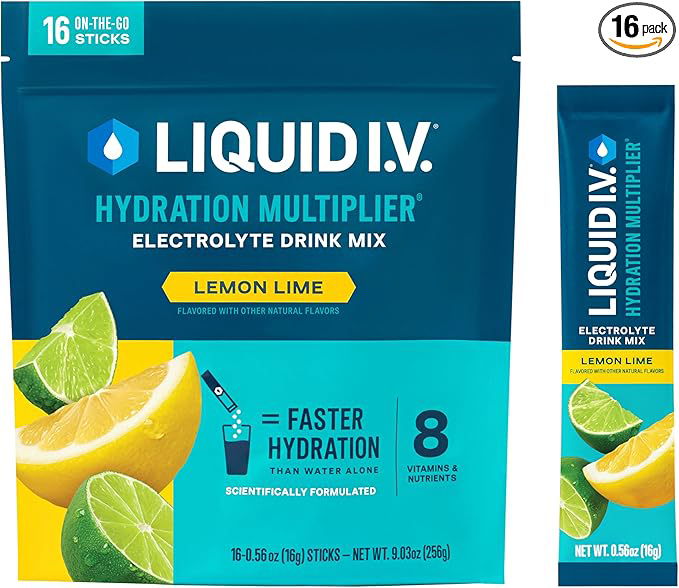
What to do instead: Sip water steadily throughout the day rather than gulping it all at once. Add a pinch of salt or an electrolyte mix to water before exercise—this helps the fluid absorb in the small intestine rather than rushing through. This small tweak keeps the osmotic balance stable and protects the barrier during high-output sessions.
2. Relying on energy gels and sports drinks with processed sugars
Gels, chews, and sugary sports drinks are a staple for endurance athletes. They deliver fast glucose to working muscles—and that part works. But these products are often high in fructose, glucose syrup, and artificial additives. When consumed frequently, especially without accompanying fiber, this sugar load can feed undesirable bacteria in the gut, leading to dysbiosis. The bacterial waste products (including lipopolysaccharides, or LPS) can directly weaken the tight junctions of the gut barrier.
A 2021 review in Nutrients highlighted that high sugar intake, particularly fructose, can reduce the expression of proteins that hold tight junctions together. Over time, chronic use of these products without gut-supporting nutrition may contribute to low-grade systemic inflammation that hampers recovery.
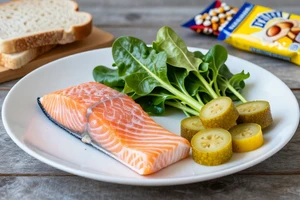
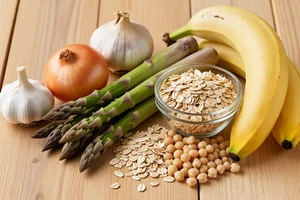
What to do instead: Use whole-food alternatives for long training sessions—dates, bananas, or homemade energy bites made with oats and nut butter. If you rely on commercial gels, look for options with maltodextrin and a lower fructose ratio, and always pair them with water, not more sugar. Post-training, prioritize a meal with protein and soluble fiber, which helps heal and tighten the gut lining.
3. Aggressive use of NSAIDs 'just in case'
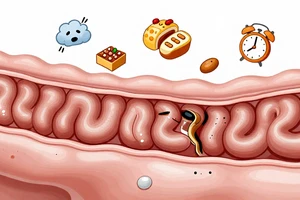
Non-steroidal anti-inflammatory drugs—ibuprofen, naproxen, and other over-the-counter pain relievers—are practically standard equipment for many athletes. Some take them before a race to prevent expected soreness, or daily to manage chronic joint pain. But the gut lining is directly exposed to every dose. NSAIDs work by blocking enzymes (COX-1 and COX-2) that produce inflammatory compounds, but they also reduce the protective prostaglandins that maintain the integrity of the gut mucosa.
Even short-term use can increase intestinal permeability within 24 hours. A study in Alimentary Pharmacology & Therapeutics found that regular NSAID users had a 2.5-fold higher risk of developing a leaky gut compared to non-users. For athletes, this means a double hit: the mechanical stress of high-intensity exercise plus the chemical stress from the drug.
What to do instead: Reserve NSAIDs for acute injury, not daily prevention. Use topical alternatives (like arnica gel or menthol rubs) for localized muscle soreness. For chronic inflammation, work with a healthcare provider to identify root causes—like food sensitivities, training load imbalances, or insufficient sleep—rather than masking symptoms with oral pain relievers.
Protecting your gut doesn't mean sacrificing performance
These three habits—fast hydration, sugar-heavy fueling, and routine NSAID use—are often done with good intentions. Recognizing them is the first step. Simple adjustments like pacing fluids, diversifying fuel sources, and reducing reliance on anti-inflammatory drugs can maintain gut barrier function without compromising athletic output. A resilient gut isn't just about comfort; it's a pillar of overall health and long-term performance.
Bottom line: An athlete's gut endures mechanical, chemical, and dietary stress most people never experience. Treating it with care—through hydration pacing, whole-food fuel choices, and conservative use of NSAIDs—can prevent chronic inflammation and support both recovery and race-day outcomes.