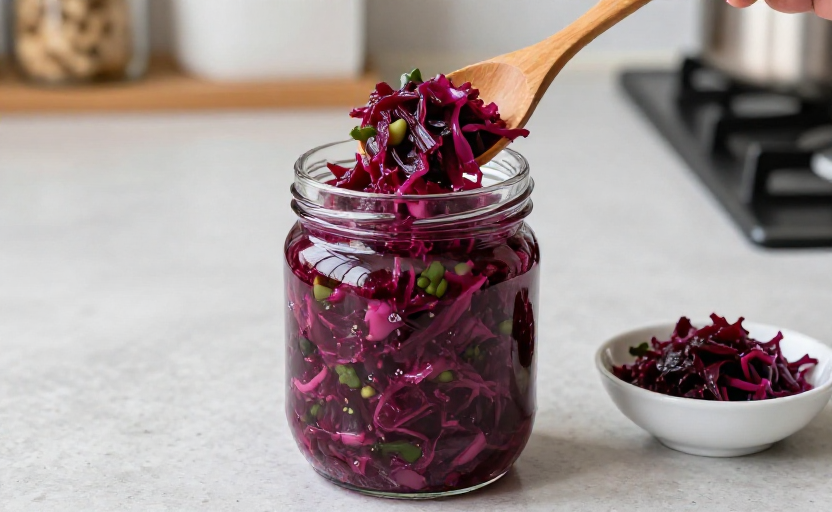
Fermented foods like kimchi, sauerkraut, kefir, and kombucha are celebrated for their potential to support a healthy gut microbiome. As interest in gut health has grown, many people are adding these tangy, live-culture foods to their daily routines. The enthusiasm is understandable—when done right, these foods can introduce beneficial bacteria into your digestive system.
But here's the part that often gets left out of the conversation: introducing fermented foods is a skill, not just a purchase. Rushing into a high intake, choosing the wrong products, or overlooking your current digestive state can backfire. Instead of feeling vibrant and balanced, some people end up with bloating, discomfort, or a surprising sense of sluggishness. The problem isn't with the fermented foods themselves—it's with how they are added to the diet.
Let's walk through three common missteps and how to navigate them so your gut actually benefits from the effort.
Mistake #1: Starting with too much, too fast
The most frequent error is believing that if a little is good, a lot is better. Fermented foods are potent. A single tablespoon of raw sauerkraut or a few sips of live kombucha contains a dense population of bacteria and bioactive compounds. For a gut that is not used to this load, a large serving right away can cause significant gas, bloating, and even temporary diarrhea.
Think of your gut microbiome as a garden that has been lying fallow. You would not flood it with a dozen new plants all at once without preparing the soil first. The same principle applies here. The sudden introduction of a high volume of new microbes can overwhelm your existing bacterial community and your digestive tract's ability to process them comfortably.
A simple starting point: begin with one tablespoon of a fermented vegetable or two ounces of a fermented drink per day. Stick with that tiny amount for several days before increasing.
After a week, you can double the portion if you feel fine. The goal is gradual adaptation, not a microbial shock. Listen to your body—mild gurgling is normal, but sharp cramping or persistent bloating is a signal to slow down.
Mistake #2: Ignoring the quality and source of the product
Not everything sold in a jar or bottle at the grocery store is truly fermented in the way that benefits your gut. Many commercial products are pasteurized after fermentation, a heat process that kills the live bacteria. Others are simply pickled in vinegar and sugar, with no fermentation step at all. These products may taste tangy, but they do not provide the living microorganisms that people seek for gut health.
When you are browsing the shelf, look for words like raw, unpasteurized, live cultures, or naturally fermented. The product should be refrigerated—not sitting on a room-temperature shelf. Check the ingredient list; a simple fermented food like sauerkraut should contain little more than cabbage and salt. Long lists of preservatives, artificial colors, or added sugars are red flags.
Also pay attention to sugar content, especially with fermented drinks like kombucha and water kefir. Many commercial brands add significant amounts of sugar after fermentation to improve taste. While some sugar is a normal part of the fermentation process, excess sugar can feed less desirable gut bacteria and yeast, working against your health goals.
If you are buying dairy ferments like yogurt or kefir, opt for plain, unsweetened versions. Fruit-flavored varieties often pack as much sugar as a dessert, which can negate the benefits of the live cultures.
Mistake #3: Adding fermented foods without adjusting for histamines and fiber
This is the subtler mistake that even experienced ferment eaters make. Fermented foods are naturally high in biogenic amines, such as histamine, which are byproducts of the fermentation process. For most people, this is not an issue. But for individuals with a sensitive histamine response—common in those with seasonal allergies, mast cell activation issues, or a condition called histamine intolerance—a sudden increase can trigger headaches, skin flushing, nasal congestion, or hives.
If you notice these symptoms after eating fermented foods, it does not necessarily mean you have to stop forever. It may mean you need to choose lower-histamine options such as fresh homemade sauerkraut (which has less histamine than aged varieties) or dairy ferments like yogurt and kefir that are typically lower in histamine than aged cheeses or long-fermented vegetables. You can also rotate different types of fermented foods rather than eating the same one daily.
Another overlooked factor is the fiber content of the whole vegetables that accompany many ferments. Sauerkraut and kimchi are made from cabbage, which is high in FODMAPs—certain carbohydrates that can ferment in the gut and cause gas in people with irritable bowel syndrome (IBS). If you have a sensitive gut, starting with fermented carrots, beets, or green beans (lower in FODMAPs) may be gentler than jumping straight into cabbage ferments.
Bringing it all together for a smoother transition
Adding fermented foods to your diet is a worthwhile step for supporting digestive health, but it is not a race. Treat it as a gradual experiment. Start with small portions of high-quality, unpasteurized products. Pay attention to how your body responds, not just in terms of digestion but also in energy, skin, and mood. If you experience discomfort, scale back and try a different type of ferment or a smaller amount.
Consistency matters more than quantity. A tablespoon of sauerkraut with lunch every day for a month will likely yield better, more sustainable results than a cup of it once a week. Your gut microbiome thrives on steady, predictable exposure.
For those with existing digestive conditions like IBS, SIBO, or histamine intolerance, consider working with a registered dietitian or healthcare provider who understands gut health. They can help you pinpoint which fermented foods are right for your unique system and how to incorporate them without triggering symptoms.
When done with patience and awareness, fermented foods can become a gentle, nourishing part of your daily eating pattern—one that supports your gut rather than shocking it.