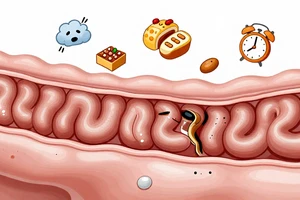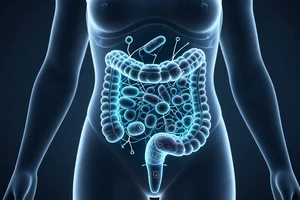

Living with chronic constipation can feel like a daily battle. When the usual advice—drink more water, eat more fiber—stops working, it is easy to fall into habits that seem helpful in the moment but quietly make the problem harder to solve in the long run. The gut is remarkably adaptable, but it also lets you know when it is being pushed in the wrong direction. Understanding the three most common mistakes that worsen chronic constipation over time can help you break the cycle and support healthier bowel function without making things worse.
Mistake 1: Relying Too Heavily on Stimulant Laxatives
When you are backed up and uncomfortable, a laxative offers fast relief. That immediate success can make it tempting to reach for the same solution again the next day. Over-the-counter stimulant laxatives, such as those containing bisacodyl or senna, work by directly irritating the intestinal lining to trigger a bowel movement. The problem is that regular use teaches your bowel to depend on that external chemical stimulation.
Over weeks and months, the natural muscle contractions that move stool through your colon—called peristalsis—can become sluggish. The colon essentially stops responding to its own internal signals. This is sometimes called a “lazy bowel” or, more formally, laxative dependency. A 2022 review in JGH Open noted that chronic stimulant laxative use is associated with structural changes in the enteric nervous system, the network of nerves that controls digestion. Once that happens, you may find that standard doses no longer work, leading you to increase the dose or switch to stronger products—a difficult cycle to escape.
Tip: If you need occasional relief, osmotic laxatives like polyethylene glycol (MiraLax) or magnesium-based products are generally considered gentler and less likely to cause dependency when used as directed. Always consult a healthcare provider before changing your regimen.
Mistake 2: Ignoring the Urge to Go
Life gets busy. You are in a meeting, on a long car ride, or simply don’t want to use a public restroom. Pausing that natural urge “just for now” seems harmless, but this is where chronic constipation can quietly dig in. When you ignore the signal to have a bowel movement, the stool continues to sit in the rectum. The colon’s primary job there is to absorb water, so the longer stool lingers, the drier and harder it becomes.
Over time, the rectum can actually stretch and desensitize. The nerve endings that alert your brain that it is time to go become less responsive. This is called rectal hyposensitivity, and it means you feel the urge less frequently and less intensely. You may start to rely on straining to produce a movement, which can lead to other issues like hemorrhoids or anal fissures. A 2020 study in Neurogastroenterology & Motility found that people who habitually delayed defecation had slower colonic transit times and reduced rectal sensation, making their constipation harder to treat with simple lifestyle changes.
To counter this, it helps to establish a regular routine. Many people find sitting on the toilet 20 to 30 minutes after a meal—especially breakfast—takes advantage of the body’s natural gastrocolic reflex, which stimulates movement in the colon. If you feel the urge at any other time, do your best to respond within a reasonable window.
Mistake 3: Overloading on Insoluble Fiber Without Balancing Fluids
It is common to hear “eat more fiber” as the go-to fix for constipation, and fiber is certainly important. But not all fiber works the same way, and piling on the wrong kind without enough water can turn constipation into a more stubborn problem. Insoluble fiber—found in wheat bran, whole grains, nuts, and many raw vegetables—adds bulk to stool. That bulk is helpful only if there is enough water in the colon to soften it.
When you increase insoluble fiber intake sharply while barely changing your water consumption, the stool can become a dense, dry mass that is actually harder to pass. This is especially common in people who start a high-fiber cereal or add a tablespoon of bran to their meals without correspondingly increasing their daily fluid intake. A 2019 clinical review in Nutrients highlighted that for some people with chronic constipation, especially those with slow colonic transit, a high-insoluble-fiber diet can paradoxically worsen symptoms like bloating, pain, and infrequent bowel movements.
Soluble fiber, on the other hand—found in oats, barley, psyllium, apples, and carrots—absorbs water and forms a gel-like consistency that tends to ease passage. If you want to increase your fiber intake, try starting with soluble sources and gradually increase water at the same time. A simple guideline is to aim for at least half an ounce of fluid per pound of body weight daily, and more if you are active or live in a warm climate.
How to Break the Cycle
Reversing these mistakes often requires patience, but the strategies are straightforward. First, speak with your doctor about any laxative use you have maintained for more than a few days. A gradual step-down plan, guided by a healthcare professional, can help your colon regain its natural tone. Second, honor your body’s signals. If you need to go, go. Lastly, balance your fiber sources and drink enough water. Keep a food and symptom journal for a couple of weeks to see if patterns emerge.
Chronic constipation is not something you have to just “live with,” but correcting the habits that worsen it over time is a process. Small, consistent adjustments—rather than aggressive quick fixes—tend to produce the most lasting relief.