
When your digestion feels off, it rarely stays a gut-only problem. That foggy thinking, the restless sleep, or the mid-afternoon irritability often trace back to the same root: the conversation between your stomach and your brain has gone quiet. We know that the gut-brain axis is real—your enteric nervous system and your central nervous system talk constantly via the vagus nerve, neurotransmitters like serotonin (most of which is made in the gut), and immune signals. But knowing that doesn't stop most of us from accidentally sabotaging that connection.
After years of working with patients and sifting through the research, I keep seeing three predictable habits that quietly damage the gut-brain link. The good news? Each one can be reversed without a complete lifestyle overhaul. Here is what I see most often—and what actually works to fix it.
Mistake #1: Eating too fast, especially under stress
This is the most common gut-brain saboteur I encounter. You sit down to lunch while scanning emails, take a bite, start answering a text, and the next thing you know, the plate is empty and you barely tasted it. Eating in a sympathetic (fight-or-flight) state shuts down the vagal tone you need for proper digestion. Saliva production drops, stomach acid secretion slows, and the migrating motor complex—the wave-like contraction that moves food through your intestines—becomes erratic. The result: bloating, incomplete digestion, and a brain that never got the signal that you were full.
How to fix it
Before you take the first bite, pause. Take three slow breaths through your nose. This single act shifts your nervous system toward the parasympathetic (rest-and-digest) state. Commit to putting your fork down between bites for the first five minutes of the meal. I call this the "starter window"—once your vagus nerve is engaged, your digestion will stay on track even if you speed up later. Chew until your food is liquid in texture. Twenty chews per bite is a common target, but honestly, just aim for a texture that would let you swallow safely without a drink. Your gut-brain signaling depends on that mechanical breakdown.
Shortcut: Pair your first three bites with a slow exhale. It sounds simple, but it is the most effective vagus-nerve reset you can do at a table.
Mistake #2: Relying on quick-fix sugar and caffeine for energy crashes
When the afternoon brain fog hits, most people reach for a coffee or a sugary snack. That gives you a temporary dopamine lift and a glucose spike, but it comes at a real cost to the gut-brain connection. High sugar intake feeds opportunistic bacteria and yeast in the gut, promoting dysbiosis. At the same time, the rapid rise and fall of blood sugar triggers cortisol release, which suppresses vagal tone and increases intestinal permeability—often called leaky gut. This means inflammatory particles can enter your bloodstream and trigger brain inflammation, deepening that mental haze you were trying to escape.
How to fix it
Instead of fighting a crash with more stimulants, fix the fuel. The key is pairing any carbohydrate with protein or fat. If you want fruit, add a handful of almonds. If you want a coffee, have it after a meal that includes protein, not on an empty stomach. For a direct gut-brain boost, try a small piece of dark chocolate (at least 70% cocoa). It contains theobromine and polyphenols that support blood flow to the brain and feed beneficial gut bacteria. Swap one sugary snack per day for that dark chocolate plus a small handful of walnuts or a hard-boiled egg. You will notice the difference in three days.
Mistake #3: Skimping on fiber diversity
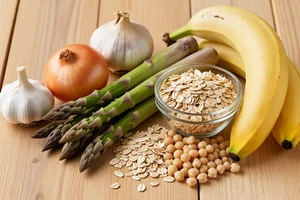
Most people know they should eat more fiber. What they don't know is that the type of fiber matters enormously for the gut-brain axis. A single source—like a daily bowl of oatmeal or a fiber bar—does not give your microbiome the variety of prebiotic fibers it needs to produce short-chain fatty acids (SCFAs) like butyrate. SCFAs are the primary fuel for colon cells and directly signal the brain to reduce inflammation and support mood. If you eat the same few fiber sources every day, you starve certain bacterial species, reducing microbial diversity and weakening that intestinal barrier. Your brain feels the fallout as brain fog and a low mood.
How to fix it
The fix is not more fiber overall for most people—it is a greater variety of fibers. Aim to eat 30 different plant foods per week. That number sounds intimidating until you realize it includes nuts, seeds, legumes, grains, herbs, spices, fruits, and vegetables. A handful of almonds counts as one. A sprinkle of flaxseed on yogurt is another. Add a teaspoon of pumpkin seeds to your salad. Switch from white rice to quinoa one day and farro the next. Rotate your greens between spinach, arugula, romaine, and kale. Use fresh herbs like cilantro and parsley liberally. If you hit 20 different plants in a week, you will already be doing better than most. Getting to 30 is transformative for the gut-brain connection because you are feeding a wider range of beneficial bacteria.
A practical target: Each meal should contain at least three plant foods. That can be two vegetables and a legume, or a grain with vegetables and nuts. Breakfast counts—add berries and seeds to your oatmeal.
These three mistakes overlap more than you might think. Eating fast often means you rely on sugary convenience foods, which in turn means you eat from a narrow range of ingredients. Fixing even one of these habits creates a ripple effect. If you only do one thing this week, start with the breathing before meals. It costs you nothing, takes five seconds, and directly strengthens the vagus nerve—the physical highway between your gut and your brain. Once that channel is open, the rest becomes much easier.